Hermann Friedrich – författare
Visar alla böcker från författaren Hermann Friedrich. Handla med fri frakt och snabb leverans.
7 produkter
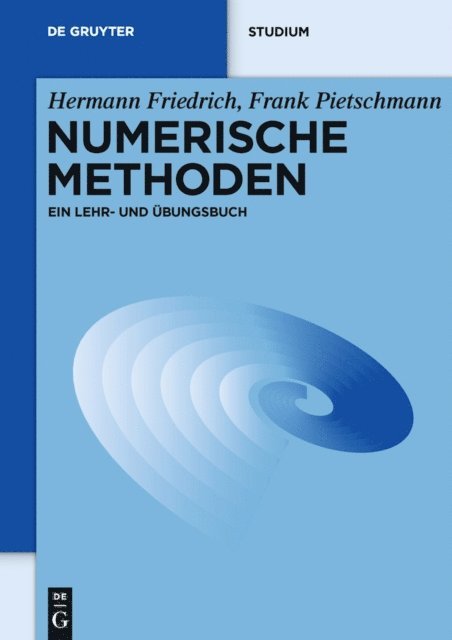
Numerische Methoden
Ein Lehr- und Übungsbuch
Av Frank Pietschmann, Hermann Friedrich
E-bok, 2010
377 kr
Lägg i varukorg
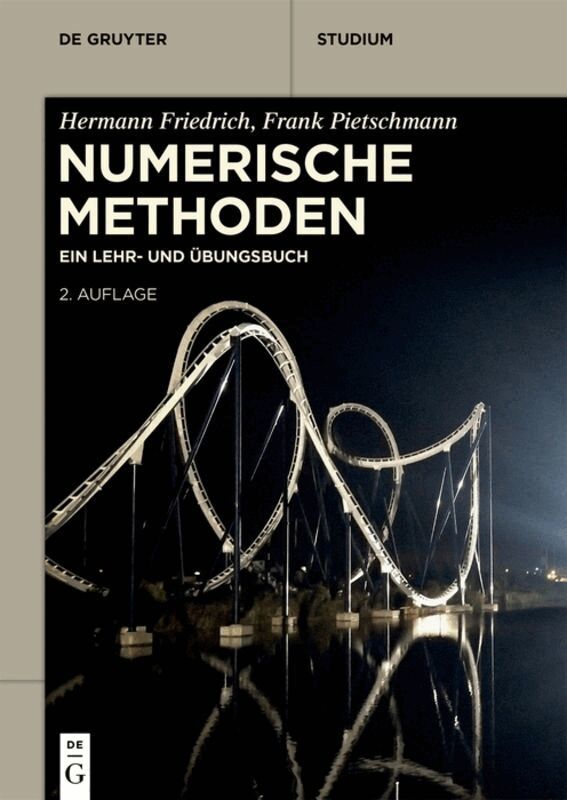
Numerische Methoden
Ein Lehr- und Übungsbuch
Av Hermann Friedrich, Frank Pietschmann
Häftad, 2020
592 kr
Lägg i varukorg
Die Mathematik ist in allen Bereichen der modernen Gesellschaft ein wichtiges Hilfsmittel, um bei der Lösung der vielfältigen Probleme mit zu wirken, insbesondere in Technik, Naturwissenschaften und Ökonomie. Die Mitwirkung mathematischer Methoden bei der Lösung praktischer Aufgaben in diesen …
Numerische Methoden
Ein Lehr- und Übungsbuch
Av Frank Pietschmann, Hermann Friedrich
E-bok, 2020
716 kr
Lägg i varukorg
Die Mathematik ist in allen Bereichen der modernen Gesellschaft ein wichtiges Hilfsmittel, um bei der Lösung der vielfältigen Probleme mit zu wirken, insbesondere in Technik, Naturwissenschaften und Ökonomie. Die Mitwirkung mathematischer Methoden bei der Lösung praktischer Aufgaben in diesen …
Numerische Methoden
Ein Lehr- und Übungsbuch
Av Frank Pietschmann, Hermann Friedrich
E-bok, 2020
716 kr
Lägg i varukorg
Die Mathematik ist in allen Bereichen der modernen Gesellschaft ein wichtiges Hilfsmittel, um bei der Lösung der vielfältigen Probleme mit zu wirken, insbesondere in Technik, Naturwissenschaften und Ökonomie. Die Mitwirkung mathematischer Methoden bei der Lösung praktischer Aufgaben in diesen …
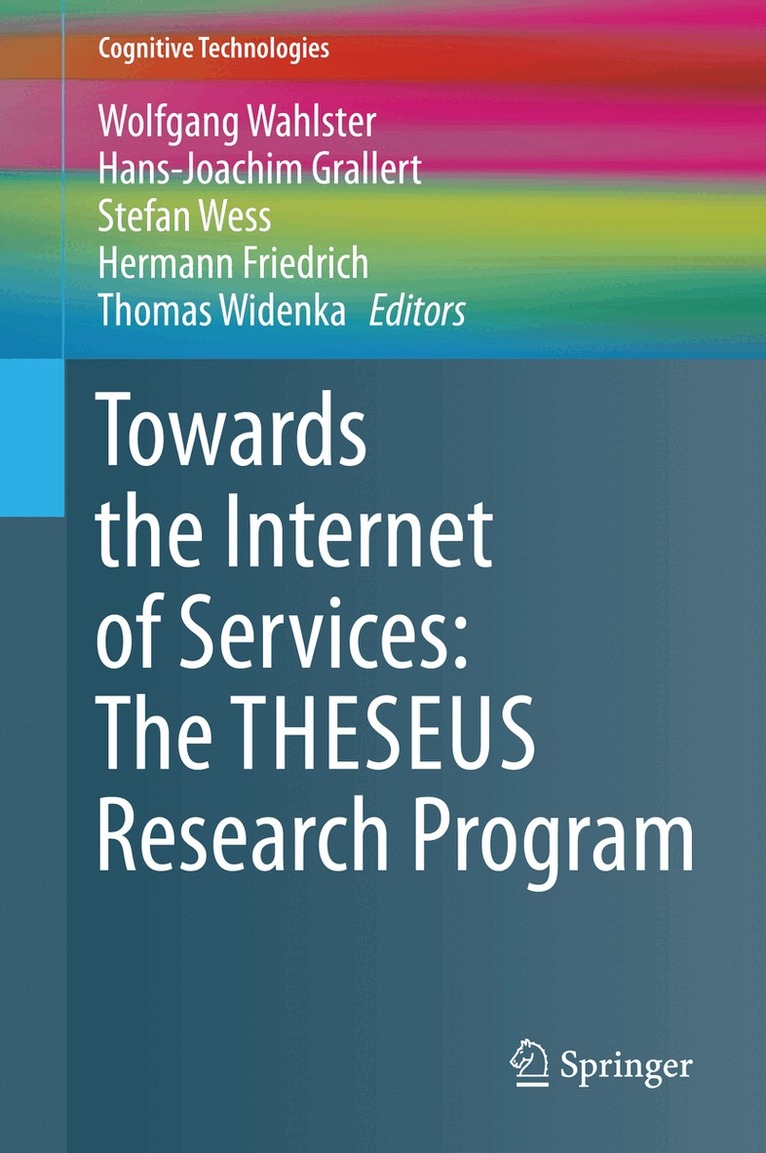
Towards the Internet of Services: The THESEUS Research Program
Av Wolfgang Wahlster, Hans-Joachim Grallert m. fl.
Inbunden, 2014
552 kr
Lägg i varukorg
The Internet of Services and the Internet of Things are major building blocks of the Future Internet. The digital enterprise of the future is based not only on mobile, social, and cloud technologies, but also on semantic technologies and the future Internet of Everything. Semantic technologies now …
Towards the Internet of Services: The THESEUS Research Program
Av Thomas Widenka, Hermann Friedrich m. fl.
E-bok, 2014
734 kr
Lägg i varukorg
The Internet of Services and the Internet of Things are major building blocks of the Future Internet. The digital enterprise of the future is based not only on mobile, social, and cloud technologies, but also on semantic technologies and the future Internet of Everything. Semantic technologies now …
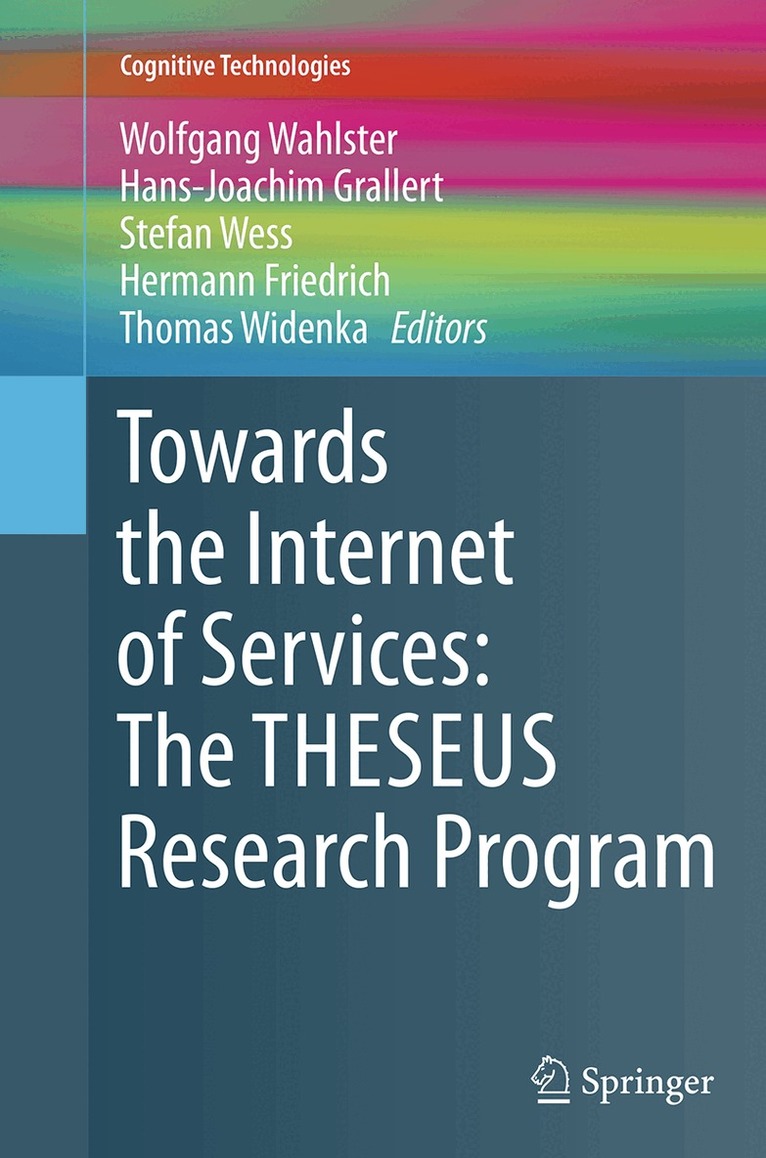
Towards the Internet of Services: The THESEUS Research Program
Av Wolfgang Wahlster, Hans-Joachim Grallert m. fl.
Häftad, 2016
552 kr
Lägg i varukorg
The Internet of Services and the Internet of Things are major building blocks of the Future Internet. The digital enterprise of the future is based not only on mobile, social, and cloud technologies, but also on semantic technologies and the future Internet of Everything. Semantic technologies now …