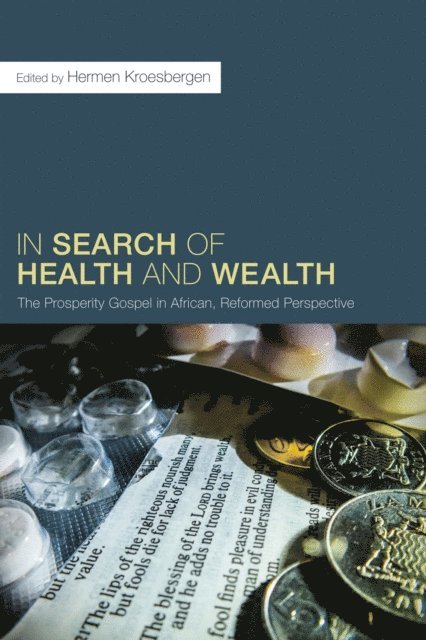
The prosperity gospel is very influential in Africa, in Pentecostal churches, and in Reformed churches. But what is the prosperity gospel? Where did it originate? Is it biblically sound? How should we evaluate the prosperity gospel? Does it represent a wrong way of looking for health and wealth, or can we learn something from it? In this book the authors provide an analysis from different perspectives on the highly debated topic of the prosperity gospel. It is intended to be accessible and helpful both to academic colleagues and to ordinary ministers. Most of the authors are lecturers at Justo Mwale Theological University College in Lusaka (Zambia). Together with Prof. L. Togarasei from the University of Botswana, they use their theological skills to examine and assess this important topic from an African and Reformed perspective. The articles in this book will help anyone who wants to deeply explore and evaluate the intriguing phenomenon of the prosperity gospel in Africa.
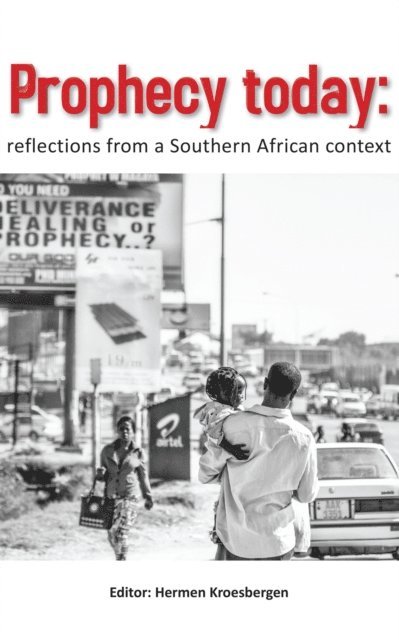
In Prophecy today: reflections from a Southern African context, a group of theologians and scholars of religion from Zambia and South Africa reflects upon these questions. Anthropologists, Biblical scholars, practical theologians and others shine their light on what prophecy can mean today in this context. This book aims at stimulating a continuing Southern African discourse on this very interesting and relevant aspect of Christianity in our region. The book consists of 15 different articles by well-known scholars and has been ably compiled and edited by Dr Hermen Kroesbergen, lecturer in Systematic Theology and Philosophy of Religion at Justo Mwale University, Lusaka, Zambia.
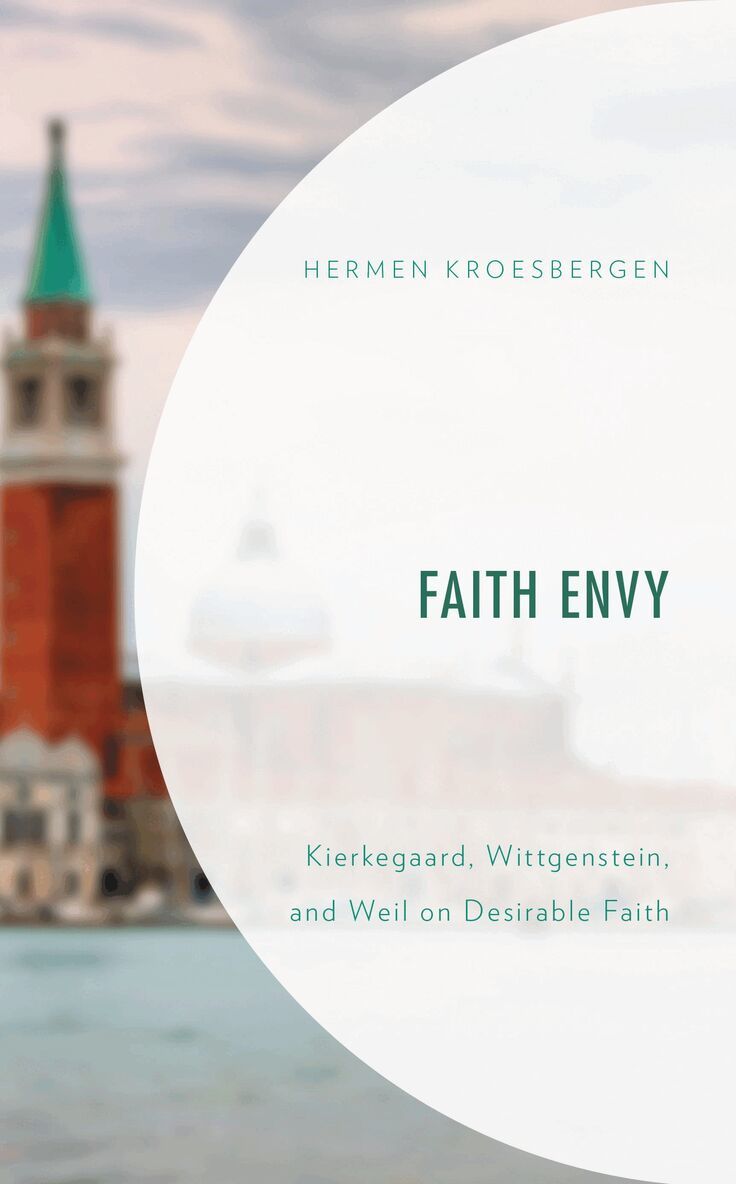
From time to time, both believers and nonbelievers envy those with more faith. In this book, Hermen Kroesbergen coins the concept of faith envy as an angle to investigate faith and religious language, and provide a new direction for the philosophy of religion. For far too long, the philosophy of religion has focused on statements of faith concerning superempirical powers, forgetting that if they would ever be able to prove these statements, they cease to be religious. Kroesbergen explores the possibility of using the angle of faith envy for a much-needed alternative approach, using the philosophers Søren Kierkegaard, Ludwig Wittgenstein, and Simone Weil as guides. Their lives and works have often been studied for what they have to say about religious beliefs; here, however, the focus is on what they have to say about the faith they envy. Our own faith envy, and Kierkegaard, Wittgenstein, and Weil’s struggle to make sense of it provides a deeper insight into what faith is and could be. This book is a timely and provocative intervention in a philosophy of religion that has reached a dead end, and a society that is deeply troubled about faith but envies it nonetheless.