Hi Sun Choi - Böcker
Visar alla böcker från författaren Hi Sun Choi. Handla med fri frakt och snabb leverans.
3 produkter
3 produkter
831 kr
Skickas inom 10-15 vardagar
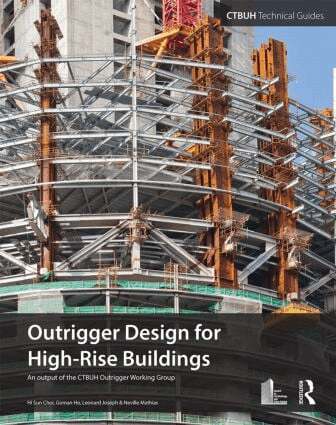
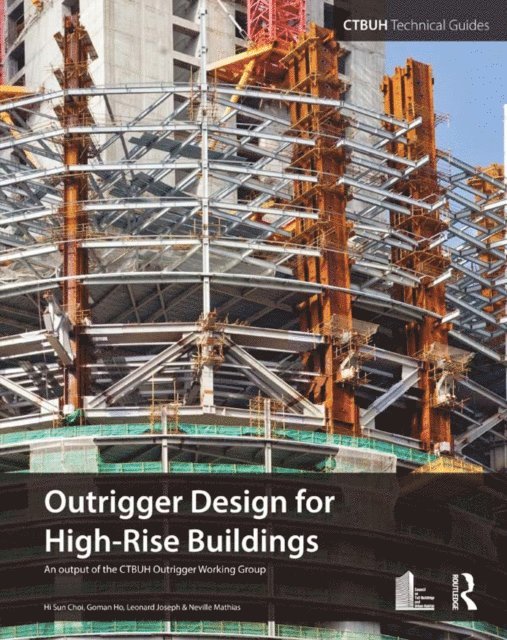
Outrigger systems are rigid horizontal structures designed to improve a building’s stability and strength by connecting the building core or spine to distant columns, much in the way an outrigger can prevent a canoe from overturning. Outriggers have been used in tall, narrow buildings for nearly 500 years, but the basic design principle dates back centuries. In the 1980s, as buildings grew taller and more ambitious, outrigger systems eclipsed tubular frames as the most popular structural approach for supertall buildings. Designers embraced properly proportioned core-and-outrigger schemes as a method to offer far more perimeter flexibility and openness for tall buildings than the perimeter moment or braced frames and bundled tubes that preceded them. However, the outrigger system is not listed as a seismic lateral load-resisting system in any code, and design parameters are not available, despite the increasingly frequent use of the concept. The Council on Tall Buildings and Urban Habitat’s Outrigger Working Group has addressed the pressing need for design guidelines for outrigger systems with this guide, a comprehensive overview of the use of outriggers in skyscrapers. This guide offers detailed recommendations for analysis of outriggers within the lateral load-resisting systems of tall buildings, for recognizing and addressing effects on building behavior and for practical design solutions. It also highlights concerns specific to the outrigger structural system such as differential column shortening and construction sequence impacts. Several project examples are explored in depth, illustrating the role of outrigger systems in tall building designs and providing ideas for future projects. The guide details the impact of outrigger systems on tall building designs, and demonstrates ways in which the technology is continuously advancing to improve the efficiency and stability of tall buildings around the world.
2 772 kr
Skickas inom 10-15 vardagar
Outrigger systems are rigid horizontal structures designed to improve a building‘s stability and strength by connecting the building core or spine to distant columns, much in the way an outrigger can prevent a canoe from overturning. Outriggers have been used in tall, narrow buildings for nearly 500 years, but the basic design principle dates back centuries. In the 1980s, as buildings grew taller and more ambitious, outrigger systems eclipsed tubular frames as the most popular structural approach for supertall buildings. Designers embraced properly proportioned core-and-outrigger schemes as a method to offer far more perimeter flexibility and openness for tall buildings than the perimeter moment or braced frames and bundled tubes that preceded them. However, the outrigger system is not listed as a seismic lateral load-resisting system in any code, and design parameters are not available, despite the increasingly frequent use of the concept. The Council on Tall Buildings and Urban Habitat‘s Outrigger Working Group has addressed the pressing need for design guidelines for outrigger systems with this guide, a comprehensive overview of the use of outriggers in skyscrapers. This guide offers detailed recommendations for analysis of outriggers within the lateral load-resisting systems of tall buildings, for recognizing and addressing effects on building behavior and for practical design solutions. It also highlights concerns specific to the outrigger structural system such as differential column shortening and construction sequence impacts. Several project examples are explored in depth, illustrating the role of outrigger systems in tall building designs and providing ideas for future projects. The guide details the impact of outrigger systems on tall building designs, and demonstrates ways in which the technology is continuously advancing to improve the efficiency and stability of tall buildings around the world.
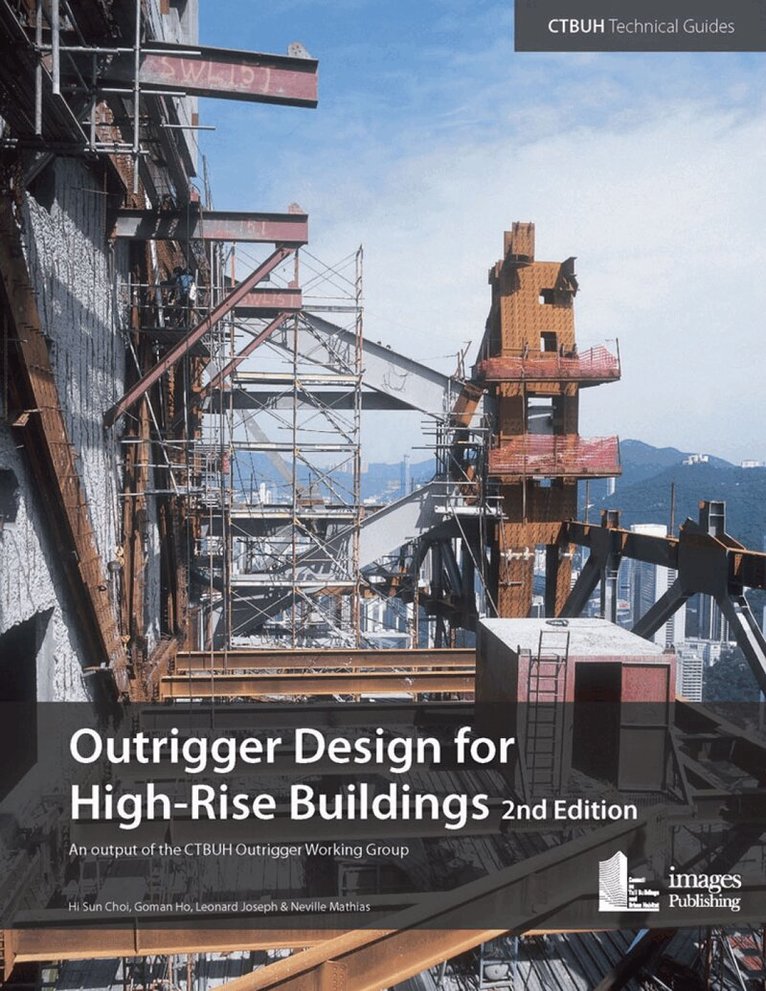
Outrigger Design for High-Rise Buildings
An Output of the CTBUH Outrigger Working Group
Häftad, Engelska, 2017
390 kr
Tillfälligt slut
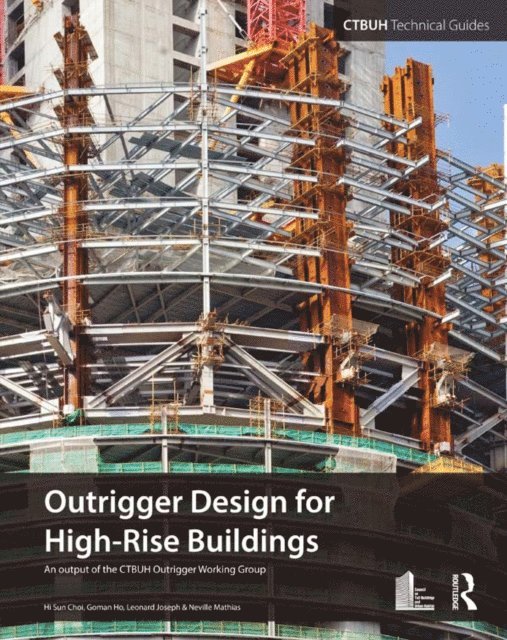
The Council on Tall Buildings and Urban Habitat's Outrigger Working Group has addressed the pressing need for design guidelines for outrigger systems with this guide, now in its second edition, providing a comprehensive overview of the use of outriggers in skyscrapers. This guide offers detailed recommendations for analysis of outriggers within the lateral load resisting systems of tall buildings, for recognising and addressing effects on building behaviour and for practical design solutions. It also highlights concerns specific to the outrigger structural system, such as differential column shortening and construction sequence impacts. In this edition, a new chapter explores the use of 'hybrid' outrigger systems that can 'tune' the stiffness of outrigger trusses, use leverage of the outrigger arms to drive non-linear damping devices, and use yielding materials that absorb seismic energy. Several project examples are explored in depth, illustrating the role of outrigger systems in tall building designs and providing ideas for future projects. The guide details the impact of outrigger systems on tall building designs, and demonstrates ways in which the technology is continuously advancing to improve the efficiency and stability of tall buildings around the world. The new second edition features updated design considerations to reflect current practices, expanded systems organisation and examples, and updated recommendations and suggestions for future research.