Hideaki Suzuki – författare
Visar alla böcker från författaren Hideaki Suzuki. Handla med fri frakt och snabb leverans.
3 produkter
3 produkter
Inbunden, Engelska, 2017
1 346 kr
Skickas inom 10-15 vardagar
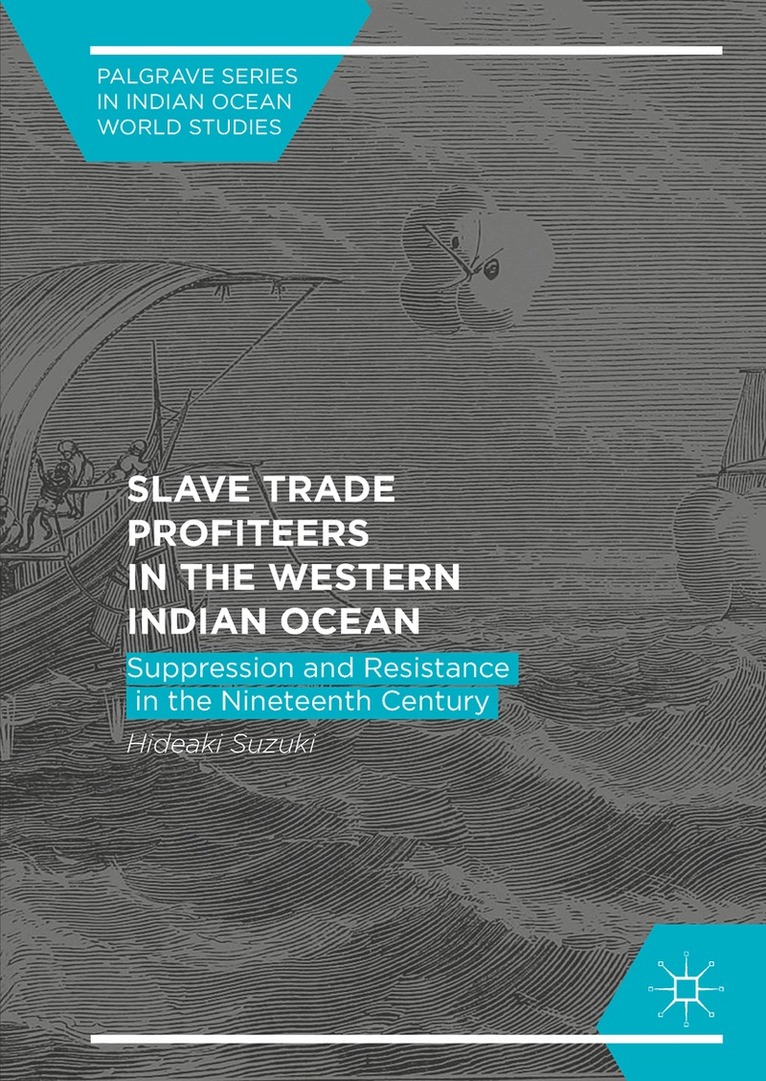
This book examines how slave traders interacted with and resisted the British suppression campaign in the nineteenth-century western Indian Ocean. By focusing on the transporters, buyers, sellers, and users of slaves in the region, the book traces the many links between slave trafficking and other types of trade. Drawing upon first-person slave accounts, travelogues, and archival sources, it documents the impact of abolition on Zanzibar politics, Indian merchants, East African coastal urban societies, and the entirety of maritime trade in the region. Ultimately, this ground-breaking work uncovers how western Indian Ocean societies experienced the slave trade suppression campaign as a political intervention, with important implications for Indian Ocean history and the history of the slave trade.
E-bok
Engelska, 20171 722 kr
Läs direkt efter köp
This book examines how slave traders interacted with and resisted the British suppression campaign in the nineteenth-century western Indian Ocean. By focusing on the transporters, buyers, sellers, and users of slaves in the region, the book traces the many links between slave trafficking and other types of trade. Drawing upon first-person slave accounts, travelogues, and archival sources, it documents the impact of abolition on Zanzibar politics, Indian merchants, East African coastal urban societies, and the entirety of maritime trade in the region. Ultimately, this ground-breaking work uncovers how western Indian Ocean societies experienced the slave trade suppression campaign as a political intervention, with important implications for Indian Ocean history and the history of the slave trade.
Häftad, Engelska, 2018
1 346 kr
Skickas inom 10-15 vardagar
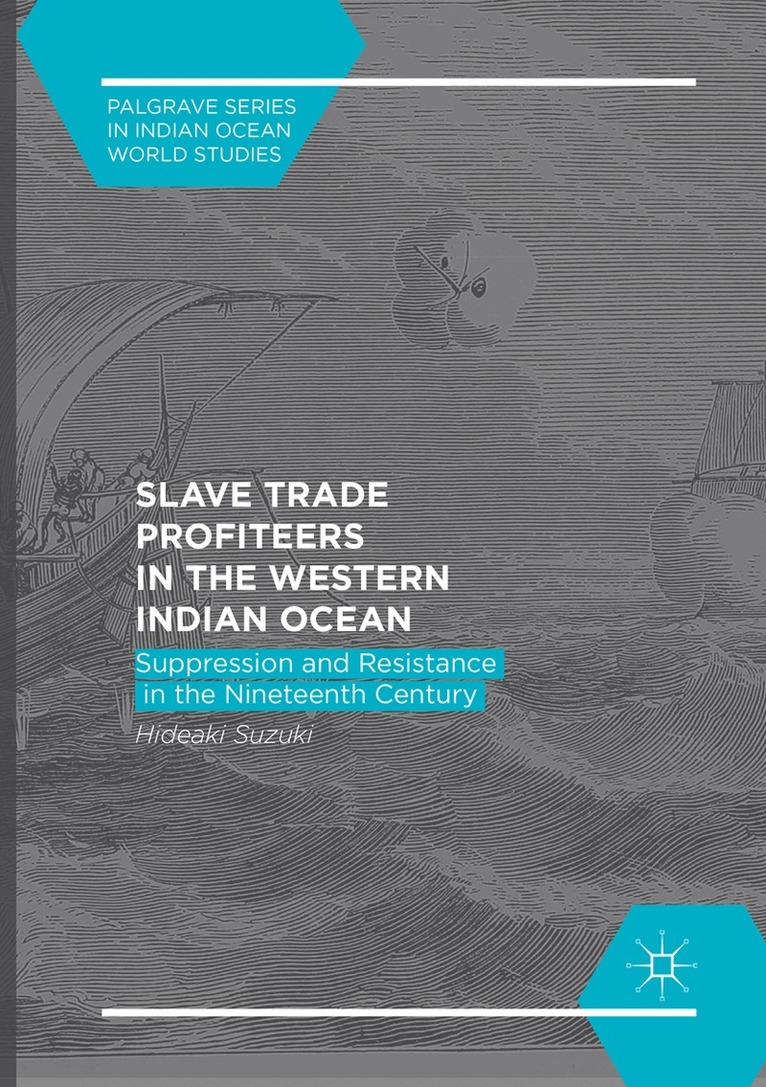
This book examines how slave traders interacted with and resisted the British suppression campaign in the nineteenth-century western Indian Ocean. By focusing on the transporters, buyers, sellers, and users of slaves in the region, the book traces the many links between slave trafficking and other types of trade. Drawing upon first-person slave accounts, travelogues, and archival sources, it documents the impact of abolition on Zanzibar politics, Indian merchants, East African coastal urban societies, and the entirety of maritime trade in the region. Ultimately, this ground-breaking work uncovers how western Indian Ocean societies experienced the slave trade suppression campaign as a political intervention, with important implications for Indian Ocean history and the history of the slave trade.