Hilary O. Box - Böcker
Visar alla böcker från författaren Hilary O. Box. Handla med fri frakt och snabb leverans.
4 produkter
4 produkter
852 kr
Skickas inom 10-15 vardagar
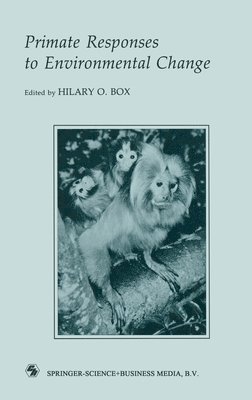
Primates are very responsive to environmental change, although the raction and ability to adapt varies from species to species. These differences reflect their life strategies and influence their social and reproductive fitness. Their responsiveness to changes are of intrinsic interest not only to scientists who study animal behaviour but also has a much wider significance as pressure mounts on natural habitats. Additionally, there is growing concern about the well-being of primates held in the artificial environments created by human beings for captive non-human primates. This book brings together a wide range of experts who review the key issues, supplemented by case studies where research has highlighted the problems and suggested possible improvements in the treatment of these animals.
Del 72 - Symposia of the Zoological Society of London
Mammalian Social Learning
Comparative and Ecological Perspectives
Häftad, Engelska, 2006
837 kr
Skickas inom 7-10 vardagar
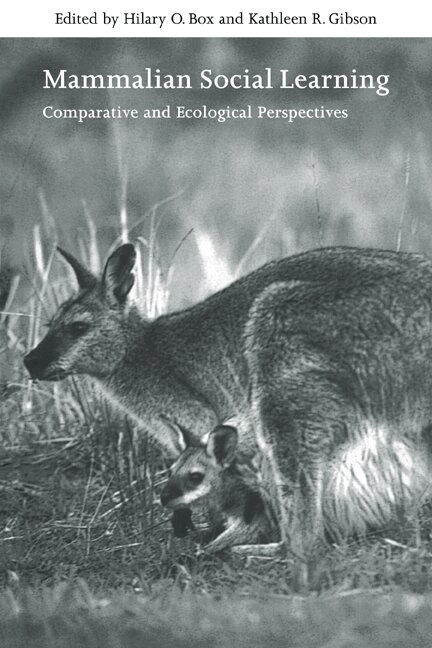
Social learning commonly refers to the social transfer of information and skill among individuals. It encompasses a wide range of behaviours that include where and how to obtain food, how to interact with members of one's own social group, and to identify and respond appropriately to predators. The behaviour of experienced individuals provides natural sources of information, by which inexperienced individuals may learn about the opportunities and hazards of their environment, and develop and modify their own behaviour as a result. A wide diversity of species is discussed in this book, some of which have never been discussed in this context before, and particular reference is made to their natural life strategies. Social learning in humans is also considered by comparison with other mammals, especially in their technological and craft traditions. Moreover, a discussion is included of the social learning abilities of prehistoric hominids.
Del 72 - Symposia of the Zoological Society of London
Mammalian Social Learning
Comparative and Ecological Perspectives
Inbunden, Engelska, 1999
2 008 kr
Skickas inom 7-10 vardagar
Social learning commonly refers to the social transfer of information and skill among individuals. It encompasses a wide range of behaviours that include where and how to obtain food, how to interact with members of one's own social group, and to identify and respond appropriately to predators. The behaviour of experienced individuals provides natural sources of information, by which inexperienced individuals may learn about the opportunities and hazards of their environment, and develop and modify their own behaviour as a result. A wide diversity of species is discussed in this book, some of which have never been discussed in this context before, and particular reference is made to their natural life strategies. Social learning in humans is also considered by comparison with other mammals, especially in their technological and craft traditions. Moreover, a discussion is included of the social learning abilities of prehistoric hominids.
1 064 kr
Skickas inom 10-15 vardagar
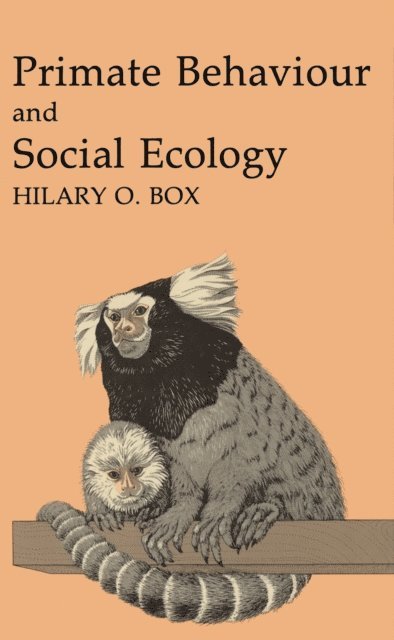
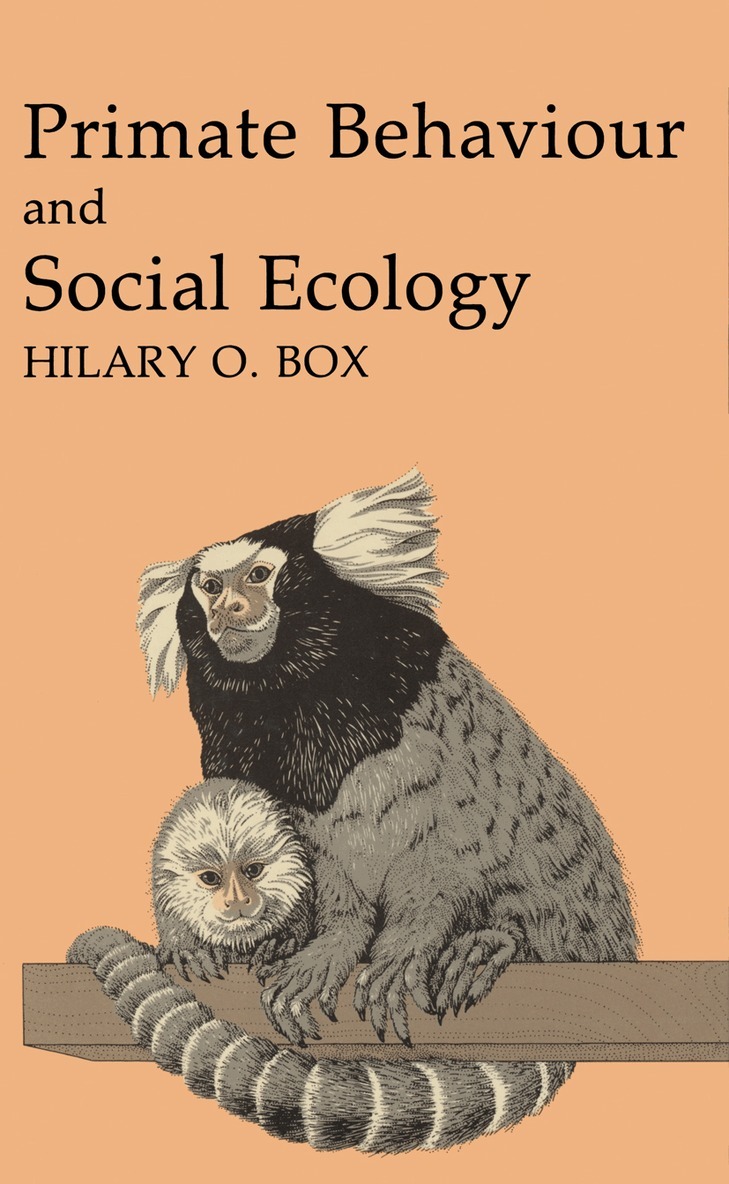
One of the most obvious changes that has occurred in behavioural biology in recent years is that it has become conspicuously a problem orientated subject. Moreover, one of the most impor tant consequences of this has been to stimulate interdisciplinary links between evolutionary biology, zoology, ecology, anthro pology and psychology. The time is now right to ask questions which relate whole animals in the contexts of their ecosystems, with their social behaviour and development, with their perceptual and cog nitive capacities. These are new ways of looking at old problems, but we are still at the stage of finding out what kinds of questions to ask. For several years now I have been involved in teaching behavioural biology to students of psychology as well as zoology, and have greatly appreciated the opportunity to relate material across many different subject areas. It is the interfacing of prob lems, as in ecology and psychology for example, that makes 'more sense' of topics such as 'intelligence', responses to 'novelty', feeding strategies and socialleaming. The aim of the book is to provide readily digestible information in a number of areas of current interest in behavioural biology. Above all, it is intended to provide a basis for discussion and further inquiry.