Hilde Van Keer – författare
2 090 kr
Skickas inom 10-15 vardagar
477 kr
Skickas inom 10-15 vardagar
1 889 kr
Skickas inom 10-15 vardagar
531 kr
Skickas inom 10-15 vardagar
615 kr
Läs direkt efter köp
Peer learning allows a positive use of differences between pupils, turning them into learning opportunities. Yet education professionals often remain unfamiliar with the principles necessary to guarantee its effectiveness.
The aim of this book is to help practitioners establish well-structured and effective peer learning projects using a variety of methods. It introduces and defines cooperative learning (mutual peer interaction) and peer tutoring (directional peer interaction) – outlining general organisational principles that will help practitioners implement peer learning in either of these forms. The authors consider how to prepare and train learners to undertake their roles effectively, and how to organise and monitor the process of interaction as it is happening. They then look at how these systems actually operate in the classroom, exploring how the organisational principles work in practice and giving many practical examples. Subsequently three successive chapters consider how to structure peer interactions in cooperative learning, same-age peer tutoring and cross-age peer tutoring. Finally, the advantages and problems, and the potential and challenges, of peer learning are examined.
The book should be read in stages, with each part being able to be read on its own – thus providing time for reflection. Within each part, readers can choose to focus on cooperative learning or peer tutoring. The successive focuses on definitions, general principles of implementation and practical issues of implementation should help practitioners build their skills and confidence. Many choices between methods are described, and when teachers are confident in one method they may then consider trying a new method. It is the authors'' hope that the book will become a model for peer learning by sharing with readers the skills of other practitioners, and thereby helping all children to develop to their full potential.
615 kr
Läs direkt efter köp
Peer learning allows a positive use of differences between pupils, turning them into learning opportunities. Yet education professionals often remain unfamiliar with the principles necessary to guarantee its effectiveness.
The aim of this book is to help practitioners establish well-structured and effective peer learning projects using a variety of methods. It introduces and defines cooperative learning (mutual peer interaction) and peer tutoring (directional peer interaction) – outlining general organisational principles that will help practitioners implement peer learning in either of these forms. The authors consider how to prepare and train learners to undertake their roles effectively, and how to organise and monitor the process of interaction as it is happening. They then look at how these systems actually operate in the classroom, exploring how the organisational principles work in practice and giving many practical examples. Subsequently three successive chapters consider how to structure peer interactions in cooperative learning, same-age peer tutoring and cross-age peer tutoring. Finally, the advantages and problems, and the potential and challenges, of peer learning are examined.
The book should be read in stages, with each part being able to be read on its own – thus providing time for reflection. Within each part, readers can choose to focus on cooperative learning or peer tutoring. The successive focuses on definitions, general principles of implementation and practical issues of implementation should help practitioners build their skills and confidence. Many choices between methods are described, and when teachers are confident in one method they may then consider trying a new method. It is the authors'' hope that the book will become a model for peer learning by sharing with readers the skills of other practitioners, and thereby helping all children to develop to their full potential.
442 kr
Läs direkt efter köp
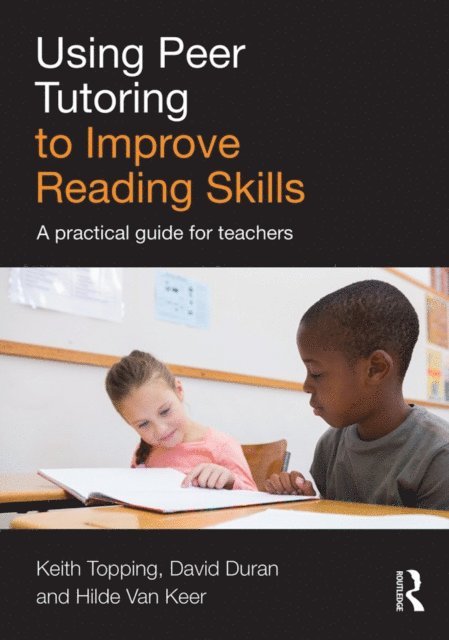
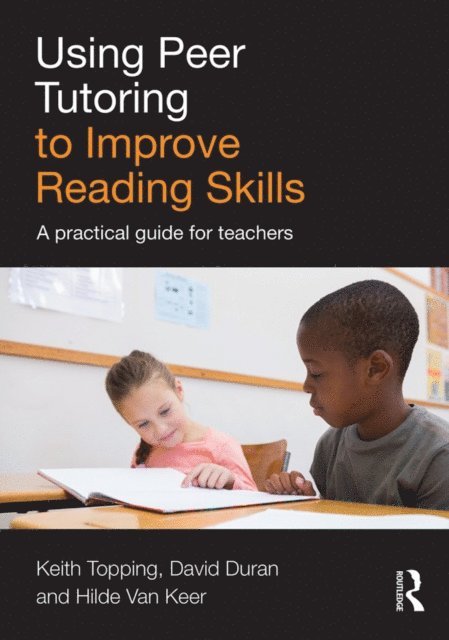
Using Peer Tutoring to Improve Reading Skills is a very practical guide, offering a straightforward framework and easy-to-implement strategies to help teachers help pupils progress in reading. A succinct introduction, it shows how schools can make positive use of differences between pupils and turn them into effective learning opportunities.
Outlining the evidence base supporting peer tutoring approaches, it explores the components of the reading process and explains how peer tutoring in reading can be used with any method of teaching reading. Core topics covered include:
Planning and implementing peer tutoring
Getting your school on board
How to structure effective interaction
Training peer tutors and tutees
Paired Reading - cross-ability approaces
One Book for Two - fostering fluency, reading comprehension, and motivation
Reading in Pairs - cross and same-year tutoring
Supporting struggling readers
Involving families in peer tutoring
Evaluation and feedback.
Illustrated throughout with practical examples from diverse schools across Europe, Using Peer Tutoring to Improve Reading Skills is an essential introduction offering easy-to-use guidelines that will support teachers in primary and secondary schools as they enhance pupil motivation and improve reading standards.
442 kr
Läs direkt efter köp
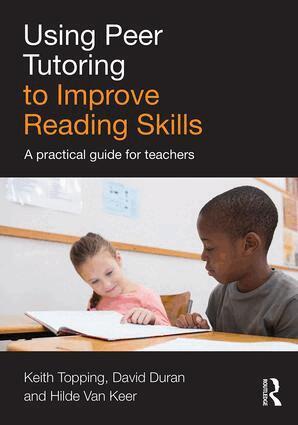
Using Peer Tutoring to Improve Reading Skills is a very practical guide, offering a straightforward framework and easy-to-implement strategies to help teachers help pupils progress in reading. A succinct introduction, it shows how schools can make positive use of differences between pupils and turn them into effective learning opportunities.
Outlining the evidence base supporting peer tutoring approaches, it explores the components of the reading process and explains how peer tutoring in reading can be used with any method of teaching reading. Core topics covered include:
Planning and implementing peer tutoring
Getting your school on board
How to structure effective interaction
Training peer tutors and tutees
Paired Reading - cross-ability approaces
One Book for Two - fostering fluency, reading comprehension, and motivation
Reading in Pairs - cross and same-year tutoring
Supporting struggling readers
Involving families in peer tutoring
Evaluation and feedback.
Illustrated throughout with practical examples from diverse schools across Europe, Using Peer Tutoring to Improve Reading Skills is an essential introduction offering easy-to-use guidelines that will support teachers in primary and secondary schools as they enhance pupil motivation and improve reading standards.