Hillel J. Kieval – författare
Visar alla böcker från författaren Hillel J. Kieval. Handla med fri frakt och snabb leverans.
6 produkter
Languages of Community
The Jewish Experience in the Czech Lands
Inbunden, 2000
771 kr
Lägg i varukorg
With a keen eye for revealing details, Hillel J. Kieval examines the contours and distinctive features of Jewish experience in the lands of Bohemia and Moravia (the present-day Czech Republic), from the late eighteenth to the late twentieth century. In the Czech lands, Kieval writes, Jews have felt …
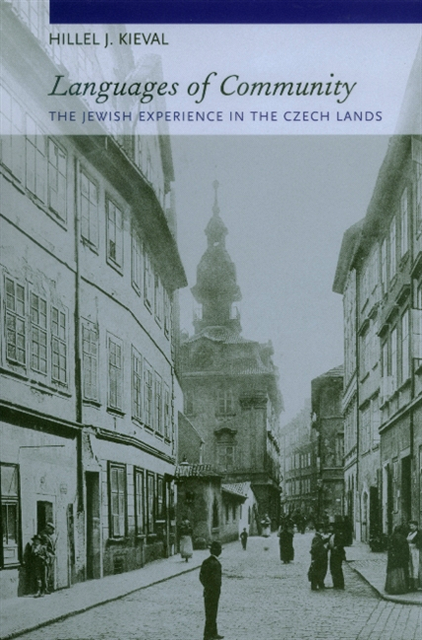
Languages of Community
The Jewish Experience in the Czech Lands
E-bok, 2000
898 kr
Lägg i varukorg
With a keen eye for revealing details, Hillel J. Kieval examines the contours and distinctive features of Jewish experience in the lands of Bohemia and Moravia (the present-day Czech Republic), from the late eighteenth to the late twentieth century. In the Czech lands, Kieval writes, Jews have felt …
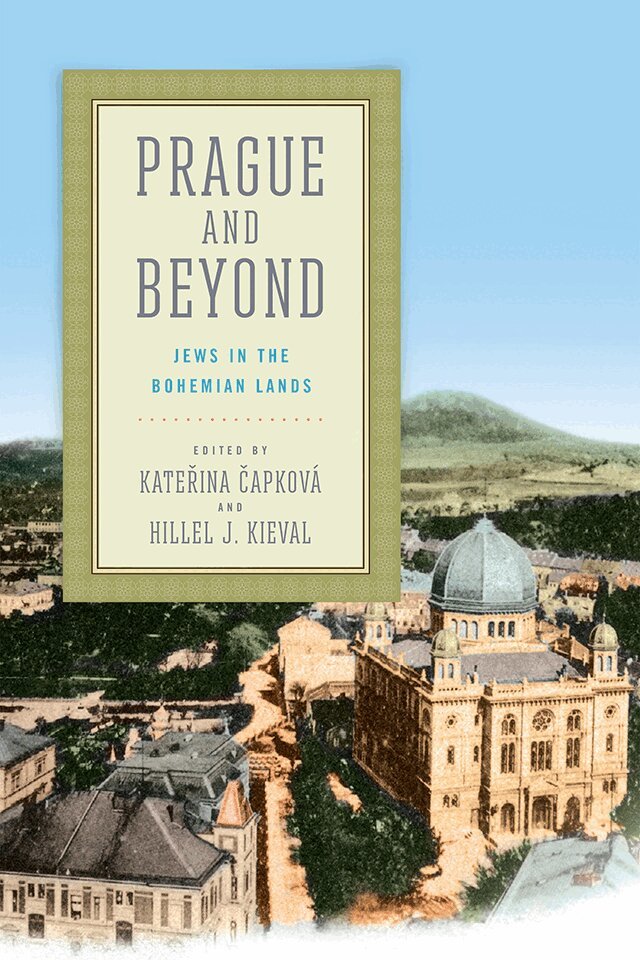
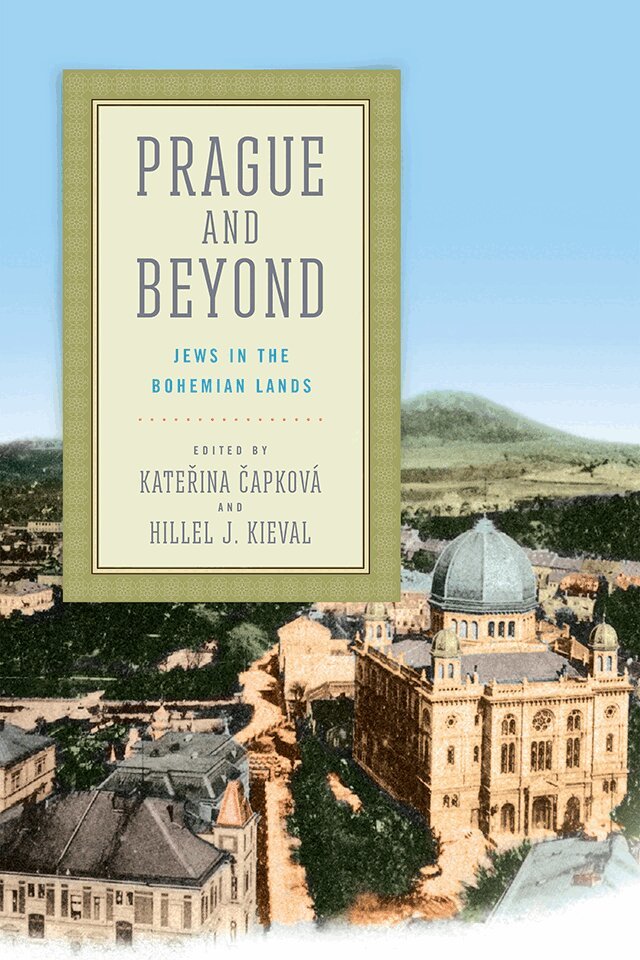
Prague and Beyond
Jews in the Bohemian Lands
Av Kateřina Čapková, Hillel J. Kieval
Inbunden, 2021
911 kr
Lägg i varukorg
Prague's magnificent synagogues and Old Jewish Cemetery attract millions of visitors each year, and travelers who venture beyond the capital find physical evidence of once vibrant Jewish communities in towns and villages throughout today's Czech Republic. For those seeking to learn more about the …
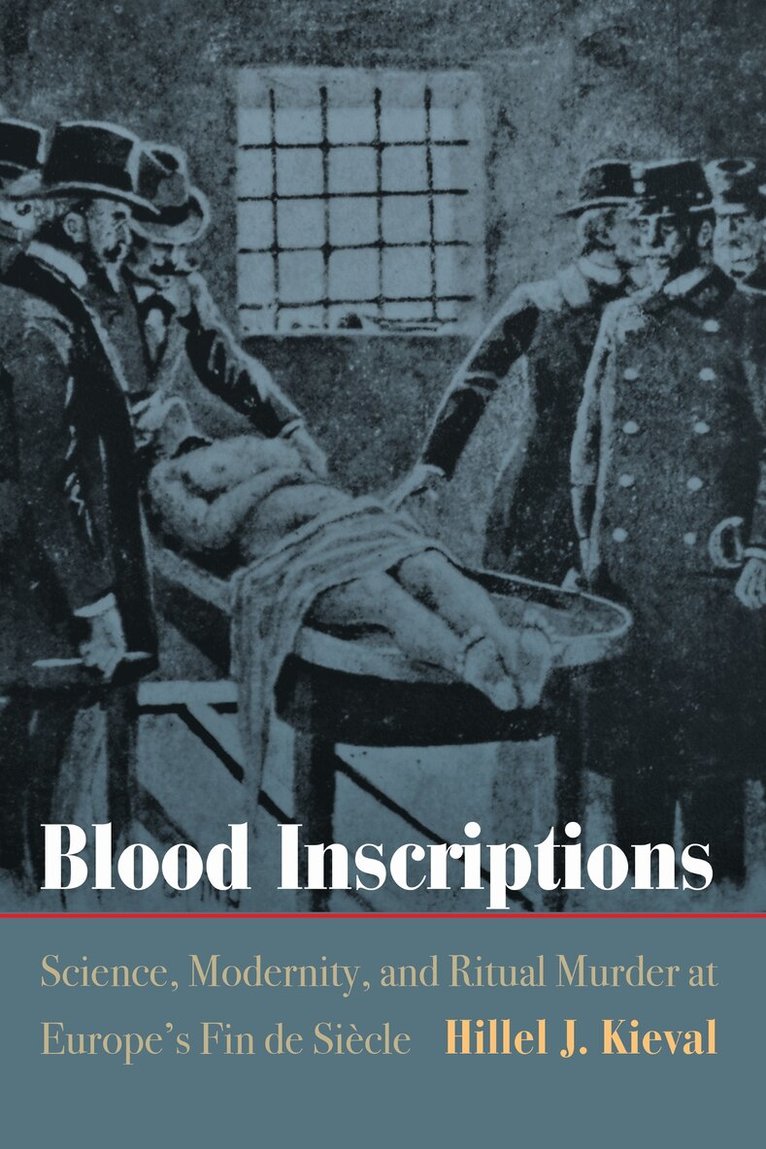
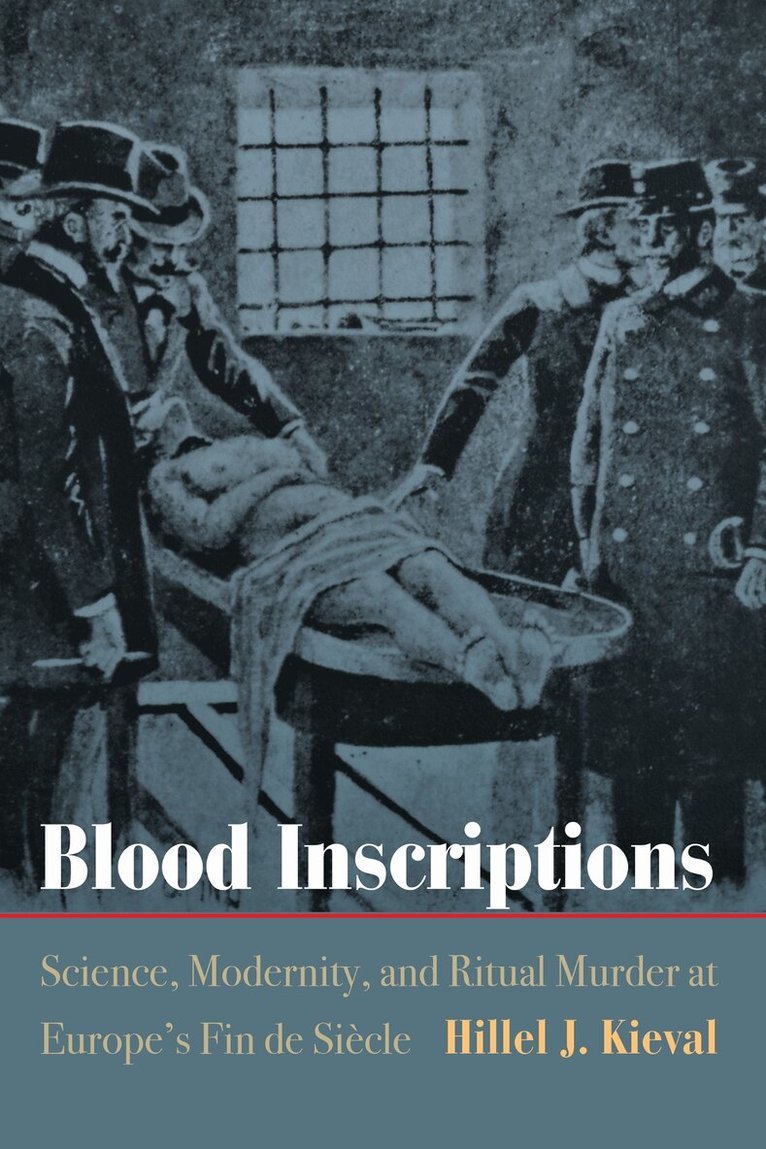
Blood Inscriptions
Science, Modernity, and Ritual Murder at Europe's Fin De Siècle
Inbunden, 2022
735 kr
Lägg i varukorg
Although the Enlightenment had seemed to bring an end to the widely held belief that Jews murdered Christian children for ritual purposes, charges of the so-called blood libel were surprisingly widespread in central and eastern Europe on either side of the turn to the twentieth century. Well over …
Blood Inscriptions
Science, Modernity, and Ritual Murder at Europe's Fin De Siècle
E-bok, 2022
970 kr
Lägg i varukorg
Although the Enlightenment had seemed to bring an end to the widely held belief that Jews murdered Christian children for ritual purposes, charges of the so-called blood libel were surprisingly widespread in central and eastern Europe on either side of the turn to the twentieth century. Well over …
Prague and Beyond
Jews in the Bohemian Lands
Av Kateřina Čapková, Hillel J. Kieval
E-bok, 2021
1092 kr
Lägg i varukorg
Prague's magnificent synagogues and Old Jewish Cemetery attract millions of visitors each year, and travelers who venture beyond the capital find physical evidence of once vibrant Jewish communities in towns and villages throughout today's Czech Republic. For those seeking to learn more about the …