Hilmar Hilmarsson – författare
Visar alla böcker från författaren Hilmar Hilmarsson. Handla med fri frakt och snabb leverans.
8 produkter
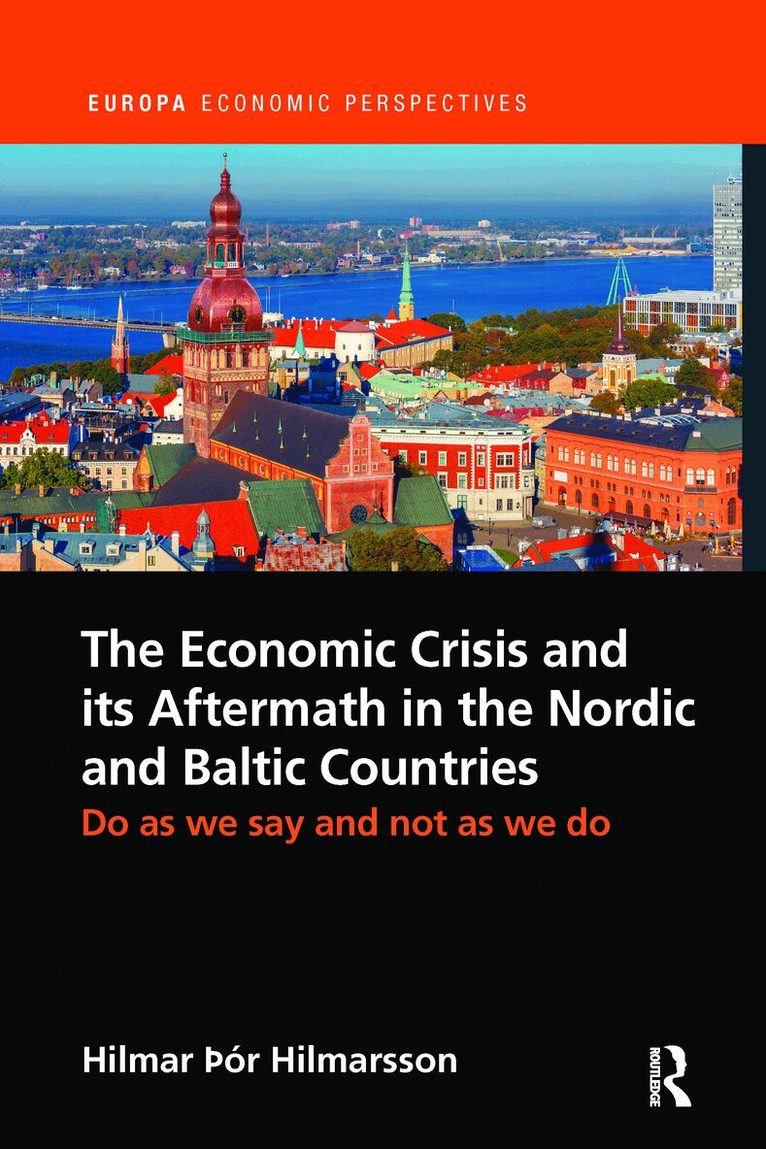
Economic Crisis and its Aftermath in the Nordic and Baltic Countries
Do As We Say and Not As We Do
Häftad, 2020
689 kr
Lägg i varukorg
The Nordic-Baltic region has become highly integrated. The Nordic countries have been successful in balancing competitiveness and economic growth with social inclusiveness, while the Baltic States have grown economically but remain vulnerable with weak social systems and highly unequal income …
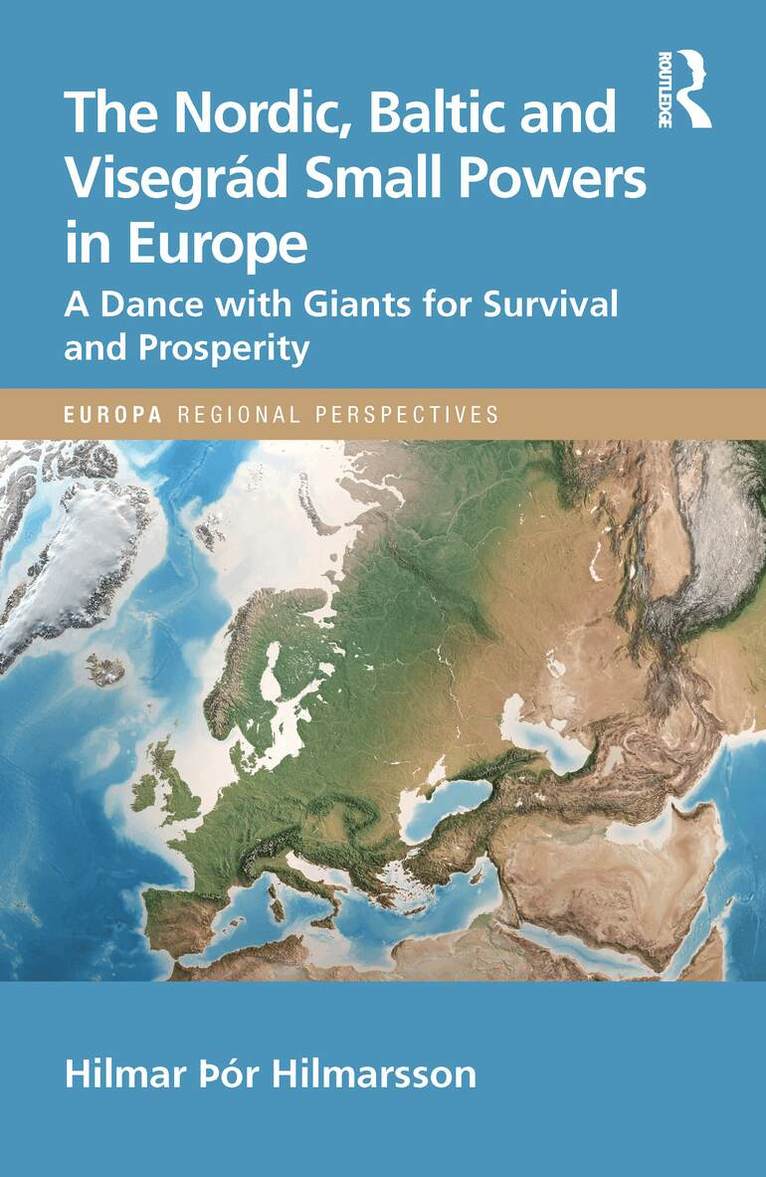
Nordic, Baltic and VisegrA!d Small Powers in Europe
A Dance with Giants for Survival and Prosperity
E-bok, 2023
727 kr
Lägg i varukorg
This volume addresses and seeks to answer a number of questions on the current issues facing small states/powers in Europe. How can small European states survive and prosper within a multipolar world of great powers? What part should small states take in European integration? Are EU fiscal and …
Nordic, Baltic and VisegrA!d Small Powers in Europe
A Dance with Giants for Survival and Prosperity
E-bok, 2023
727 kr
Lägg i varukorg
This volume addresses and seeks to answer a number of questions on the current issues facing small states/powers in Europe. How can small European states survive and prosper within a multipolar world of great powers? What part should small states take in European integration? Are EU fiscal and …
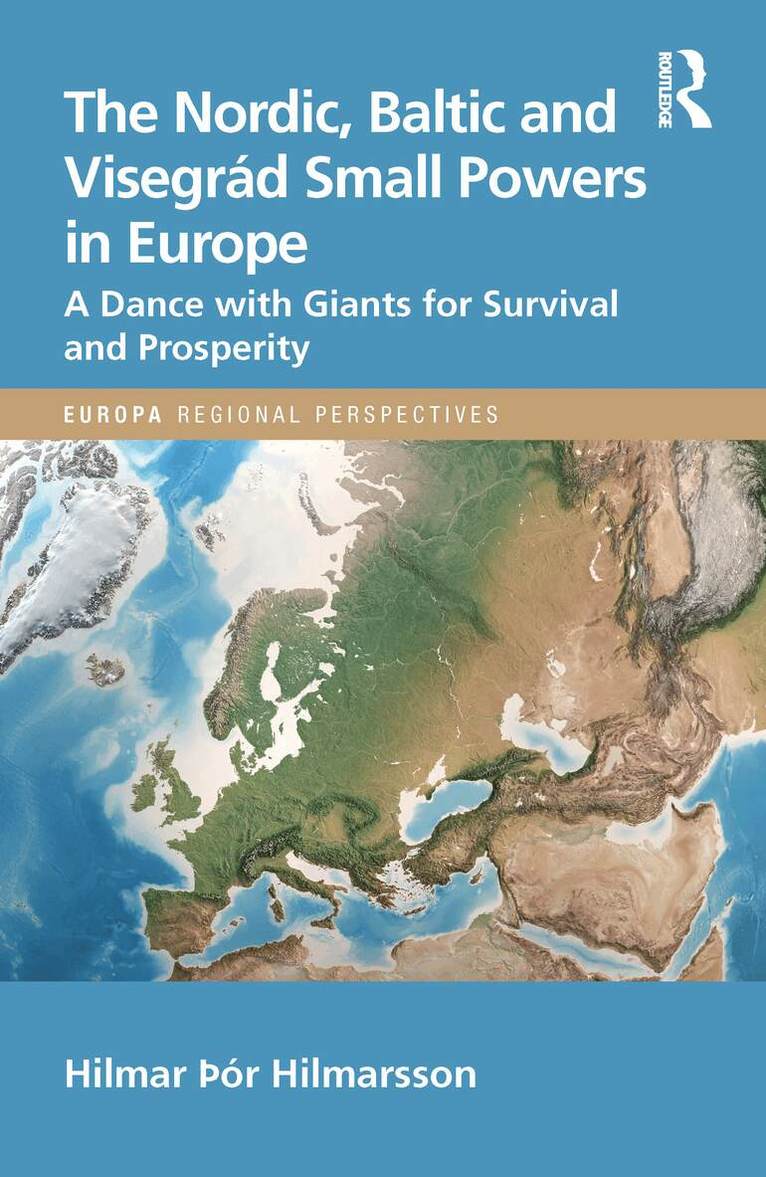
Nordic, Baltic and Visegrád Small Powers in Europe
A Dance with Giants for Survival and Prosperity
Inbunden, 2023
1894 kr
Lägg i varukorg
This volume addresses and seeks to answer a number of questions on the current issues facing small states/powers in Europe. How can small European states survive and prosper within a multipolar world of great powers? What part should small states take in European integration? Are EU fiscal and …
Nordic, Baltic and Visegrád Small Powers in Europe
A Dance with Giants for Survival and Prosperity
Häftad, 2024
617 kr
Lägg i varukorg
This volume addresses and seeks to answer a number of questions on the current issues facing small states/powers in Europe. How can small European states survive and prosper within a multipolar world of great powers? What part should small states take in European integration? Are EU fiscal and …
Economic Crisis and its Aftermath in the Nordic and Baltic Countries
Do As We Say and Not As We Do
E-bok, 2018
814 kr
Lägg i varukorg
The Nordic-Baltic region has become highly integrated. The Nordic countries have been successful in balancing competitiveness and economic growth with social inclusiveness, while the Baltic States have grown economically but remain vulnerable with weak social systems and highly unequal income …
Economic Crisis and its Aftermath in the Nordic and Baltic Countries
Do As We Say and Not As We Do
E-bok, 2018
814 kr
Lägg i varukorg
The Nordic-Baltic region has become highly integrated. The Nordic countries have been successful in balancing competitiveness and economic growth with social inclusiveness, while the Baltic States have grown economically but remain vulnerable with weak social systems and highly unequal income …
Economic Crisis and its Aftermath in the Nordic and Baltic Countries
Do As We Say and Not As We Do
Inbunden, 2018
2039 kr
Lägg i varukorg
The Nordic-Baltic region has become highly integrated. The Nordic countries have been successful in balancing competitiveness and economic growth with social inclusiveness, while the Baltic States have grown economically but remain vulnerable with weak social systems and highly unequal income …