Hilmar Hoffmann – författare
Visar alla böcker från författaren Hilmar Hoffmann. Handla med fri frakt och snabb leverans.
5 produkter
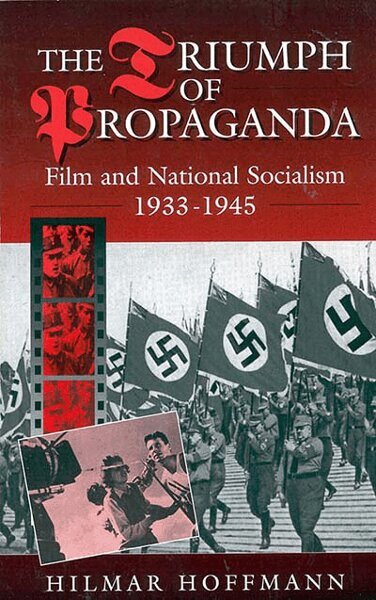
Triumph of Propaganda
Film and National Socialism 1933-1945
Inbunden, 1995
1979 kr
Lägg i varukorg
The Nazis saw film as a major vehicle for both indoctrination and escapist pacification of the "masses"; in fact, Propaganda Minister Joseph Goebbels tried to create a German counter-Hollywood. This highly acclaimed study, by one of Germany's leading commentators and authors on cultural policy, …
Triumph of Propaganda
Film and National Socialism 1933-1945
Häftad, 1997
316 kr
Lägg i varukorg
The Nazis saw film as a major vehicle for both indoctrination and escapist pacification of the "masses"; in fact, Propaganda Minister Joseph Goebbels tried to create a German counter-Hollywood. This highly acclaimed study, by one of Germany's leading commentators and authors on cultural policy, …
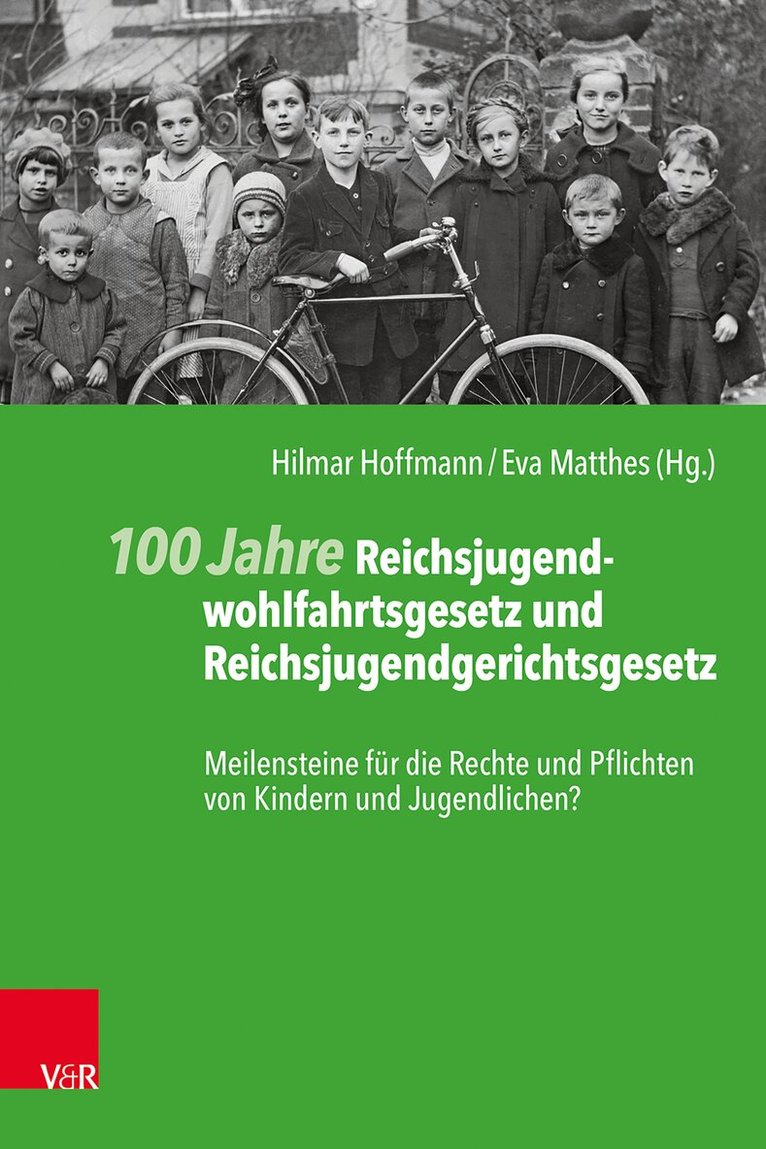
100 Jahre Reichsjugendwohlfahrtsgesetz und Reichsjugendgerichtsgesetz
Meilensteine für die Rechte und Pflichten von Kindern und Jugendlichen?
Av Hilmar Hoffmann, Eva Matthes
Häftad, 2023
586 kr
Lägg i varukorg
Mit dem 1922 und 1923 erlassenen Reichsjugendwohlfahrtsgesetz (RJWG) und Reichsjugendgerichtsgesetz (RJGG) entstanden erstmals reichseinheitlich gültige Regelungen der Jugendfürsorge und des Jugendstrafrechts. Das RJGG definierte Personen zwischen dem 14. und 18. Lebensjahr juristisch erstmals als …
100 Jahre Reichsjugendwohlfahrtsgesetz und Reichsjugendgerichtsgesetz
Meilensteine für die Rechte und Pflichten von Kindern und Jugendlichen?
Av Eva Matthes, Hilmar Hoffmann
E-bok, 2023
433 kr
Lägg i varukorg
Mit dem 1922 und 1923 erlassenen Reichsjugendwohlfahrtsgesetz (RJWG) und Reichsjugendgerichtsgesetz (RJGG) entstanden erstmals reichseinheitlich gültige Regelungen der Jugendfürsorge und des Jugendstrafrechts.Das RJGG definierte Personen zwischen dem 14. und 18. Lebensjahr juristisch erstmals als …
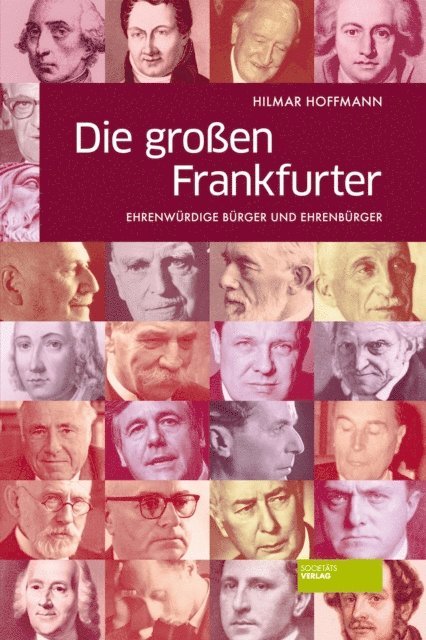
Die großen Frankfurter
Ehrenwürdige Bürger und Ehrenbürger
E-bok, 2013
210 kr
Lägg i varukorg
Eine Hommage und zugleich ein Dankeschön an die Menschen, denen Frankfurt seine ständige Entwicklung verdankt Frankfurt war schon immer eine Stadt, in der Menschen mit großen Namen lebten. Dazu zählen etwa die Bürger, die Politikgeschichte geschrieben haben, aber auch jene, die als Künstler die …