Hinskens Frans L. Hinskens – författare
Visar alla böcker från författaren . Handla med fri frakt och snabb leverans.
2 produkter
2 produkter
E-bok
PDF, Engelska, 19971 588 kr
Läs direkt efter köp
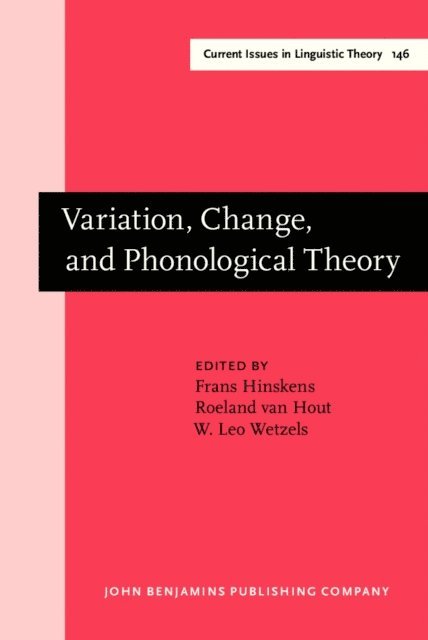
There is a growing awareness that a fruitful cooperation between the (diachronic and synchronic) study of language variation and change and work in phonological theory is both possible and desirable. The study of language variation and change would benefit from this kind of cooperation on the conceptual and theoretical levels. Phonological theory may well profit from a greater use of what is commonly called ‘external evidence’.This volume contains contributions by outstanding representatives from the more data-oriented fields and phonological theory. They discuss possibilities and problems for a further integration of both areas, by considering questions such as where and to which extent the two may need each other, and whether there is a need for an interdisciplinary conceptual framework and methodology. Attention is also paid to questions regarding the cause and actuation, linguistic constraints and the internal spread of linguistic change, as well as to possible and impossible processes of language change.
E-bok
PDF, Engelska, 20061 495 kr
Läs direkt efter köp
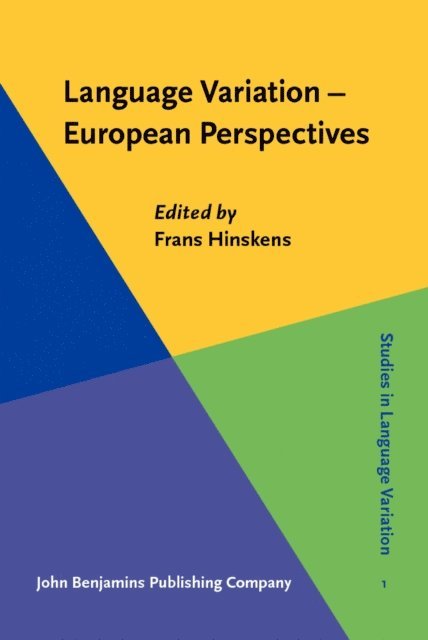
This volume presents 16 original studies of variation in languages representing the three main European language families, as well as in varieties of Greek and Hungarian. The studies concern variation in or across dialects or dialect groups, in standard varieties or in emerging regional varieties of the standard. Several studies investigate a specific linguistic element or structure, while others focus on areas of tension between variation and prescriptive standard norms, on regional standard varieties and regiolects, on problems of linguistic classification (from folk linguistic or dialect geographical perspectives) and the classification of speakers. Language acquisition plays a main role in three studies. The studies in this volume represent a range of methods, including ethnographic and 'interpretative' approaches, conversation analysis, analyses of the internal and geographical distribution of dialect features, the classification and quantitative analyses of socio-demographic speaker background data, quantitative analyses of both diachronic and synchronic language data, phonetic measurements, as well as (quasi-)experimental perception studies. The volume thus offers a microcosmic reflection of the macrocosmos of world-wide research on variability in (originally) European languages at the beginning of the 21th century and the linguistic expression of cultural diversity.