Hiroshi Shibasaki – författare
Visar alla böcker från författaren Hiroshi Shibasaki. Handla med fri frakt och snabb leverans.
5 produkter
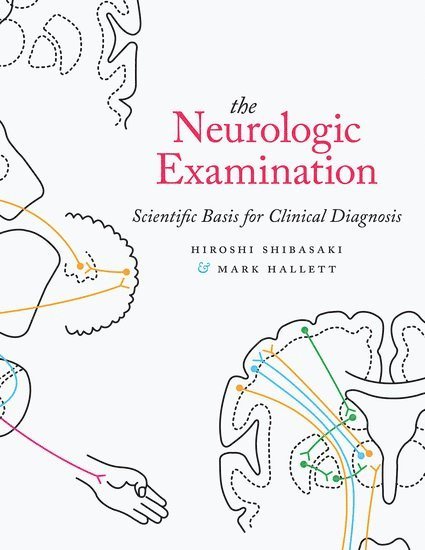
Neurologic Examination: Scientific Basis for Clinical Diagnosis
Av Hiroshi Shibasaki, Mark Hallett
Inbunden, 2016
2045 kr
Lägg i varukorg
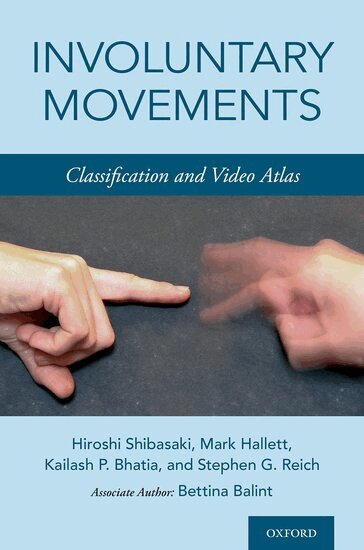
Involuntary Movements
Classification and Video Atlas
Av Hiroshi Shibasaki, Mark Hallett m. fl.
Inbunden, 2020
1400 kr
Lägg i varukorg
The neurologic subspecialty of Movement Disorders is complicated with many different entities, making the differential diagnosis difficult. One of the most important aspects of these different entities is their visual appearance. Still photographs do not give sufficient information, but videos like …
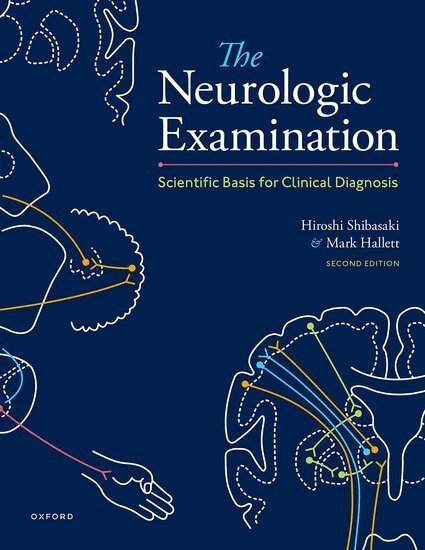
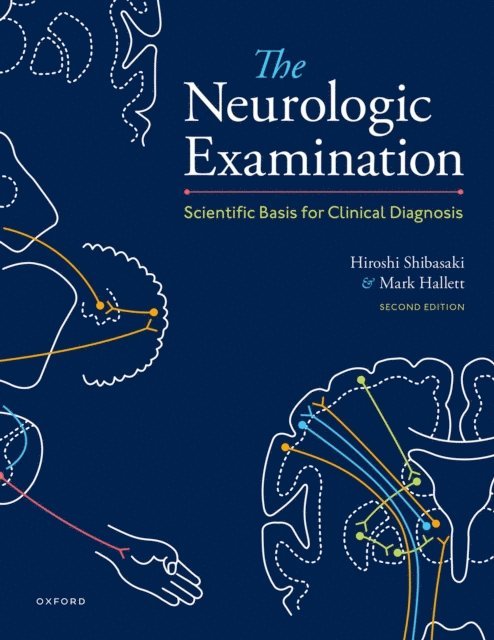
The Neurologic Examination
Scientific Basis for Clinical Diagnosis
Av Hiroshi Shibasaki, Mark Hallett
Inbunden, 2022
2315 kr
Lägg i varukorg
The second edition of The Neurologic Examination looks at how to conduct a clinical neurological examination through a pathophysiological approach to the nervous system. This new edition is brought up to date with new data on genetic and immunological disorders and a significant expansion of …
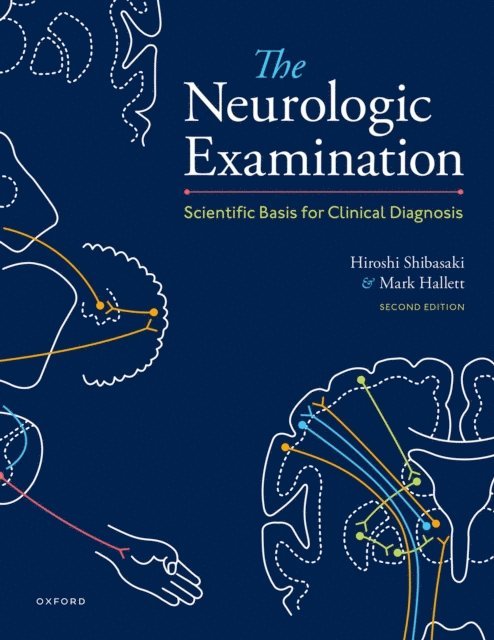
Neurologic Examination
Scientific Basis for Clinical Diagnosis
Av Mark Hallett, Hiroshi Shibasaki
E-bok, 2022
1435 kr
Lägg i varukorg
The second edition of The Neurologic Examination looks at how to conduct a clinical neurological examination through a pathophysiological approach to the nervous system. This new edition is brought up to date with new data on genetic and immunological disorders and a significant expansion of …
Neurologic Examination
Scientific Basis for Clinical Diagnosis
Av Mark Hallett, Hiroshi Shibasaki
E-bok, 2022
1435 kr
Lägg i varukorg
The second edition of The Neurologic Examination looks at how to conduct a clinical neurological examination through a pathophysiological approach to the nervous system. This new edition is brought up to date with new data on genetic and immunological disorders and a significant expansion of …