Hirosuke Kawanishi – författare
Visar alla böcker från författaren Hirosuke Kawanishi. Handla med fri frakt och snabb leverans.
8 produkter
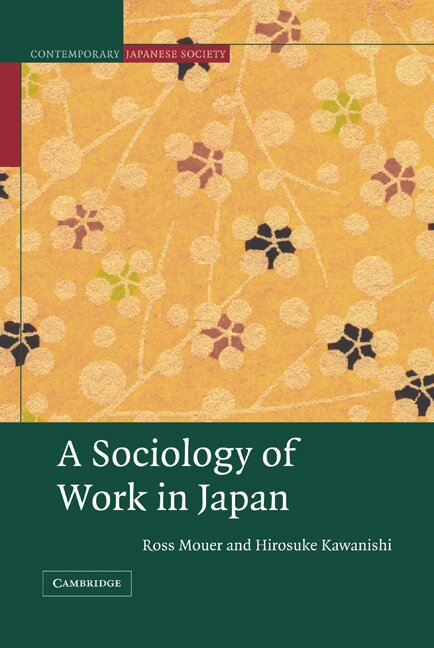
A Sociology of Work in Japan
Av Ross Mouer, Hirosuke Kawanishi
Inbunden, 2005
1003 kr
Lägg i varukorg
What shapes the decisions of employees in Japan? The authors of this comprehensive and up-to-date survey of the relationship between work and society in Japan argue that individual decisions about work can only be understood through the broader social context. Many factors combine to affect such …
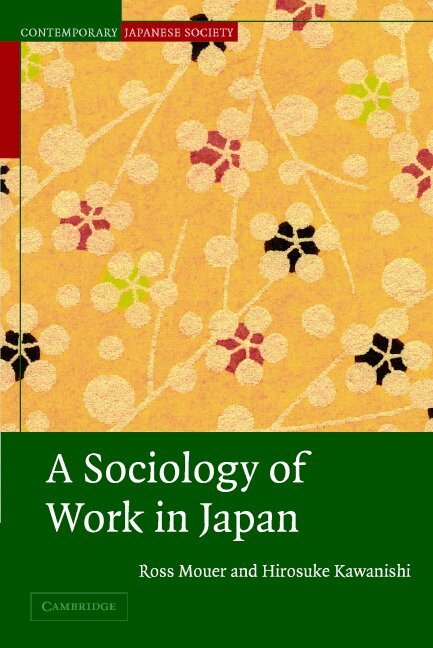
A Sociology of Work in Japan
Av Ross Mouer, Hirosuke Kawanishi
Häftad, 2005
653 kr
Lägg i varukorg
What shapes the decisions of employees in Japan? The authors of this comprehensive and up-to-date survey of the relationship between work and society in Japan argue that individual decisions about work can only be understood through the broader social context. Many factors combine to affect such …
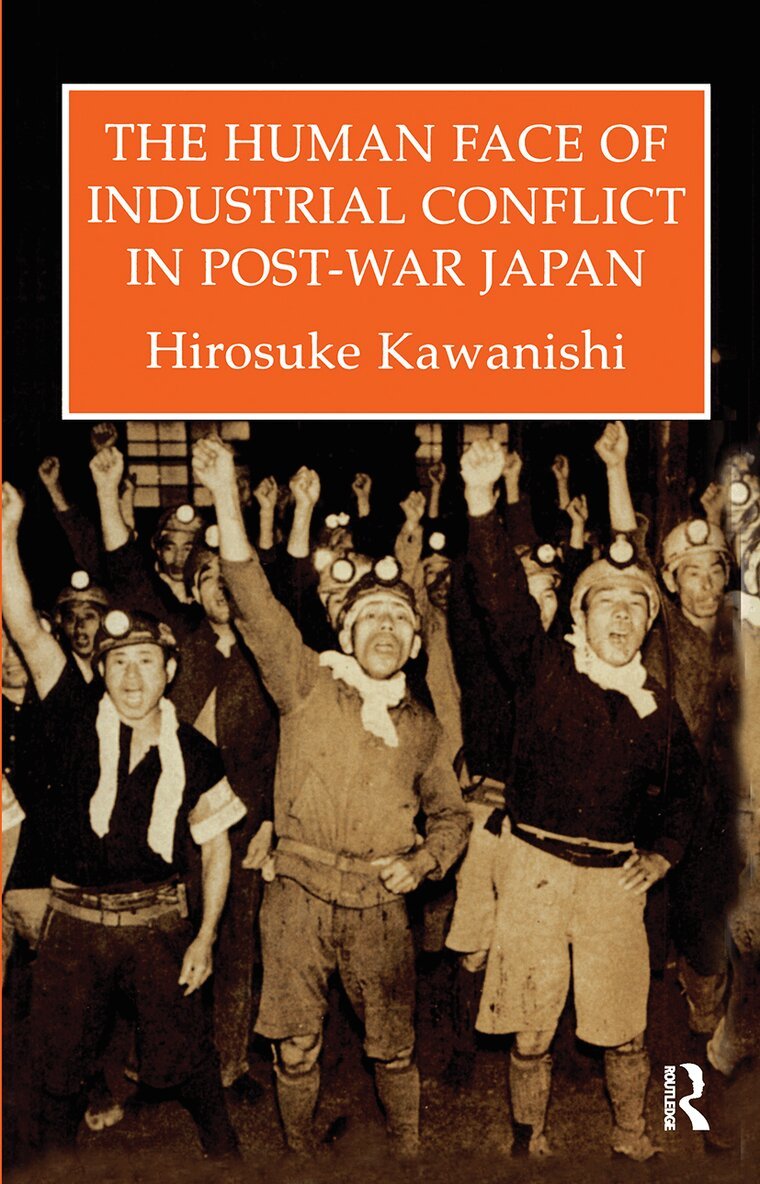
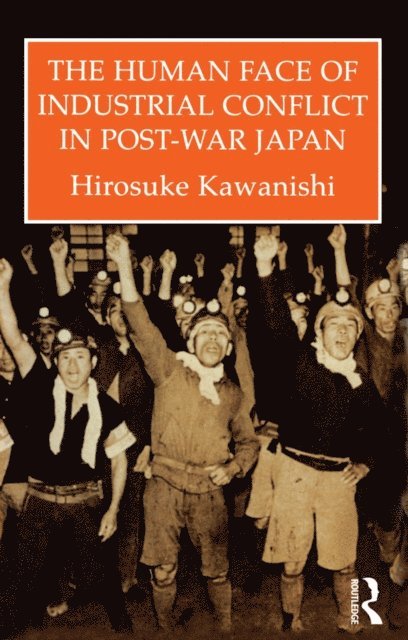
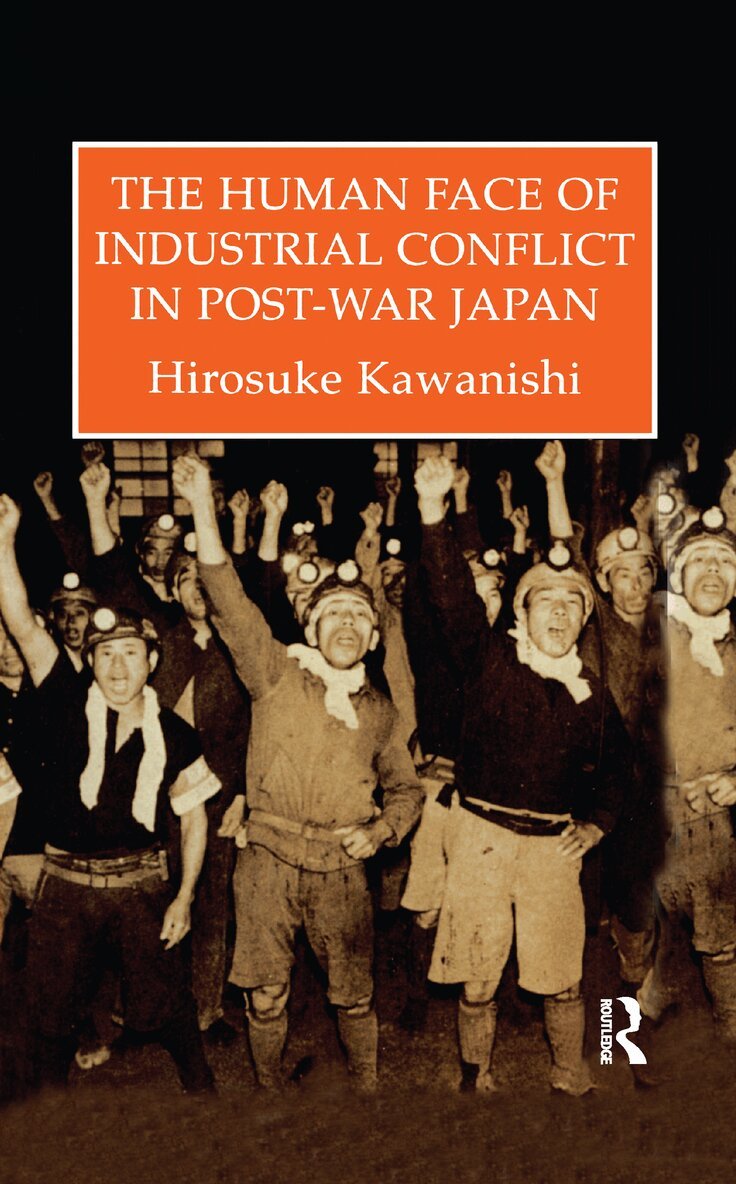
Human Face Of Industrial Conflict In Post-War Japan
Inbunden, 1998
3904 kr
Lägg i varukorg
First Published in 1998. This volume first appeared in Japanese as Sengo Nihon no Sõgi to Ningen (1986). Published by Nihon Hyõronsha in Tokyo it included the reflections of nine union leaders who had taken their unions through some of Japan's most important post-war industrial disputes. In 1983 …
Human Face Of Industrial Conflict In Post-War Japan
E-bok, 2014
881 kr
Lägg i varukorg
First Published in 1998. This volume first appeared in Japanese as Sengo Nihon no Sõgi to Ningen (1986). Published by Nihon Hyõronsha in Tokyo it included the reflections of nine union leaders who had taken their unions through some of Japan''s most important post-war industrial disputes. In 1983 …
Human Face Of Industrial Conflict In Post-War Japan
E-bok, 2014
910 kr
Lägg i varukorg
First Published in 1998. This volume first appeared in Japanese as Sengo Nihon no Sõgi to Ningen (1986). Published by Nihon Hyõronsha in Tokyo it included the reflections of nine union leaders who had taken their unions through some of Japan''s most important post-war industrial disputes. In 1983 …
Human Face Of Industrial Conflict In Post-War Japan
Häftad, 2016
772 kr
Lägg i varukorg
First Published in 1998. This volume first appeared in Japanese as Sengo Nihon no Sõgi to Ningen (1986). Published by Nihon Hyõronsha in Tokyo it included the reflections of nine union leaders who had taken their unions through some of Japan's most important post-war industrial disputes. In 1983 …
Enterprise Unionism In Japan
E-bok, 2021
641 kr
Lägg i varukorg
During the 1980s many Japanese began to feel the pressures of ‘internationalizing.’ At the same time, Japanese-style industrial relations came to receive wide international attention. For most people ‘Japanese-style industrial relations’ came to mean the ‘three sacred treasures’: …
Enterprise Unionism In Japan
E-bok, 2021
622 kr
Lägg i varukorg
During the 1980s many Japanese began to feel the pressures of ‘internationalizing.’ At the same time, Japanese-style industrial relations came to receive wide international attention. For most people ‘Japanese-style industrial relations’ came to mean the ‘three sacred treasures’: …