Historic Scotland - Böcker
Visar alla böcker från författaren Historic Scotland. Handla med fri frakt och snabb leverans.
10 produkter
10 produkter
67 kr
Skickas inom 11-20 vardagar
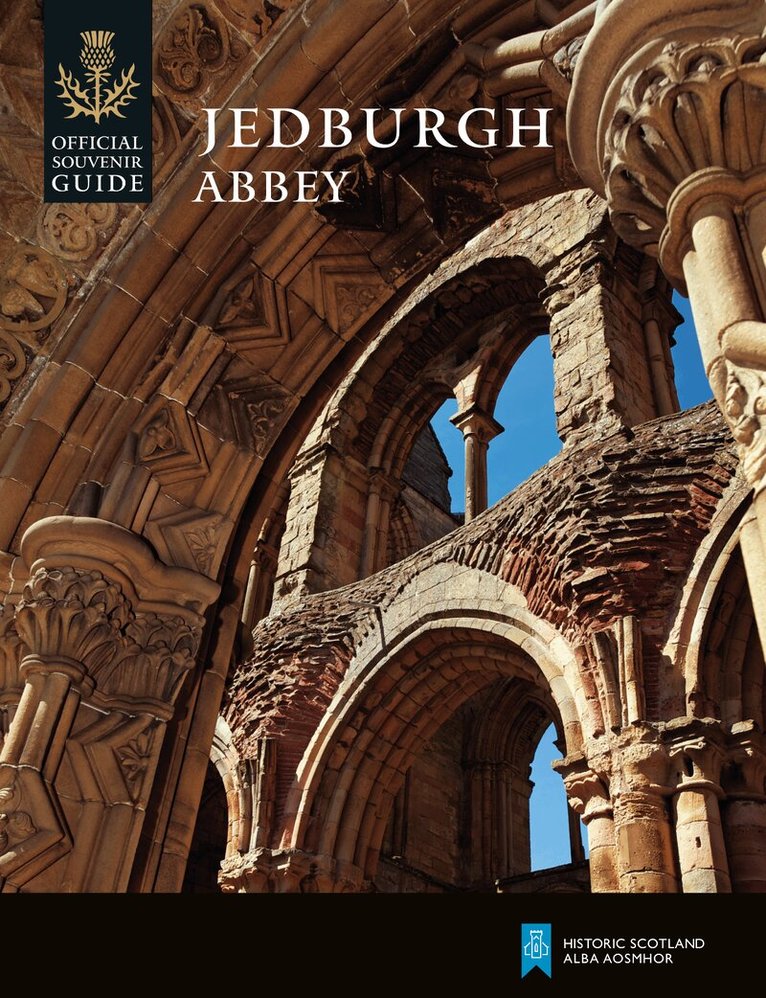
Jedburgh Abbey is one of the most elegant examples of 12th-century architecture in Scotland. It was founded by King David I, both as an act of piety and to assert his claim to the Borders.The abbey was repeatedly ravaged over centuries of border warfare, and almost abandoned after the Reformation. But thanks to conservation work sponsored by the 9th Marquis of Lothian and excavations in the 1930s and 1980s, the magnificent abbey church can be seen in context as the heart of a medieval Augustinian abbey.
79 kr
Skickas
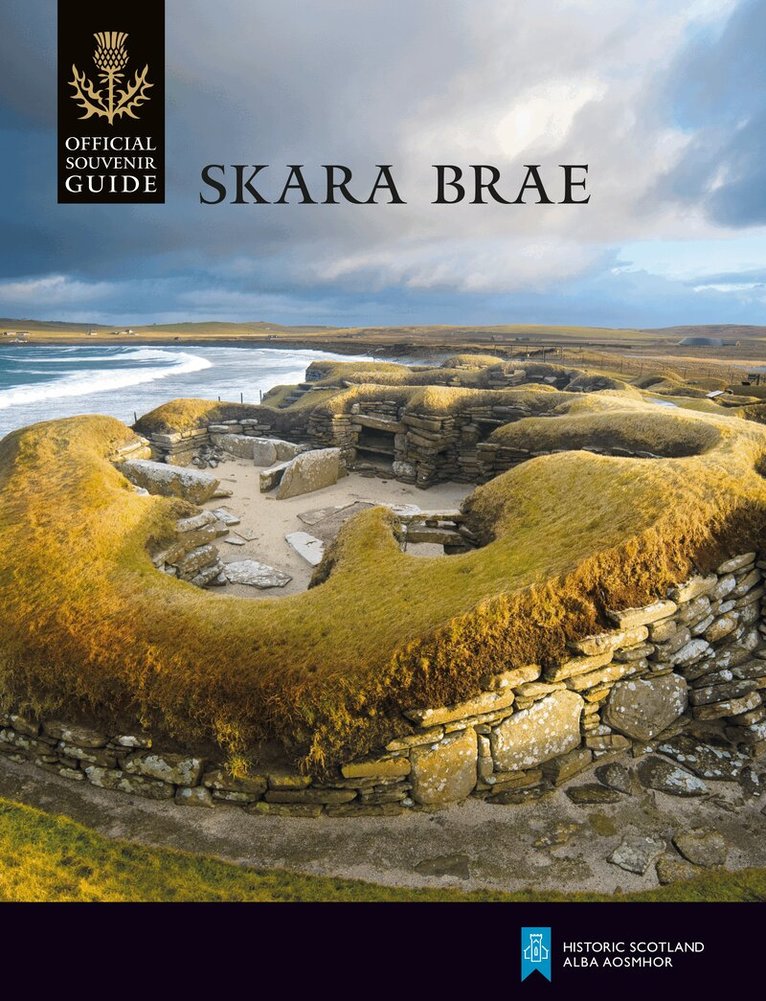
The Neolithic village known as Skara Brae was continuously occupied for about 300 to 400 years, before being abandoned around 2500 BC. Despite severe coastal erosion, eight houses and a workshop have survived largely intact, with their stone furniture still in place. This is the best-preserved settlement of its period in northern Europe, and thousands of artefacts were discovered during excavations of the site.Who lived here? How did they live? And why did they ultimately abandon the village? In this lively account, Dr David Clarke, who led major excavations at Orkney's Skara Brae, describes the details of the site and explores some of the enigmas posed by this extraordinary survival.
67 kr
Skickas
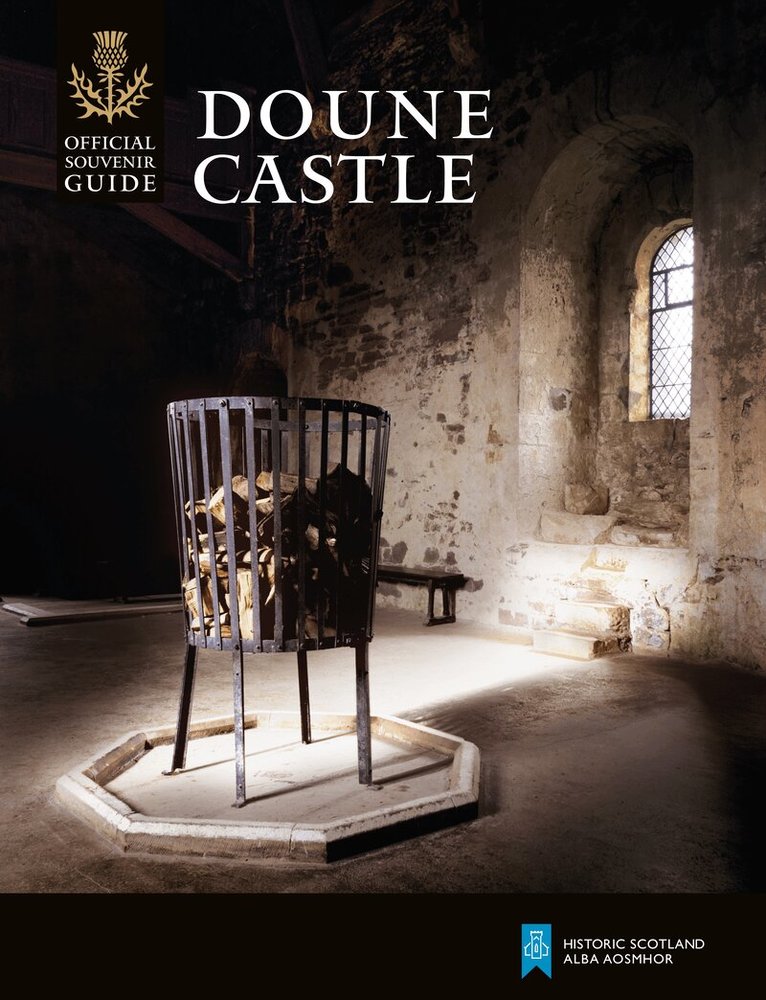
One of Scotland’s finest late-medieval strongholds, Doune Castle stands high on a promontory between the River Teith and the Ardoch Burn in Perthshire. It is a testament to the power of one nobleman, Robert Stewart, Duke of Albany. He was known as Scotland’s ‘uncrowned king’, and the castle was one of his main residences in the late 1300s.For a long time Albany has been credited with the complete construction of the castle, making Doune a remarkable example of a medieval fortress built as one man’s vision. However, fresh research is casting new light on Doune Castle, suggesting a much more complex history dating back to the century before Albany and beyond.
79 kr
Skickas
The tiny island of Iona has been a vibrant centre of Christian worship since Columba arrived in AD 563. His monastery thrived for centuries, despite repeated Viking raids beginning in 795. Around 1200, the abbey and nunnery were founded, introducing new forms of worship and new buildings, while still welcoming pilgrims to St Columba’s shrine. Even after the Protestant Reformation of 1560 brought an end to Scotland’s monasteries, Iona served briefly as a Cathedral of the Isles. Restoration of the buildings began in 1899, and in 1938 the Iona Community was formed, revitalising the abbey’s spiritual role. This unique site bears witness to a long history of religious practice that still flourishes today.
67 kr
Skickas
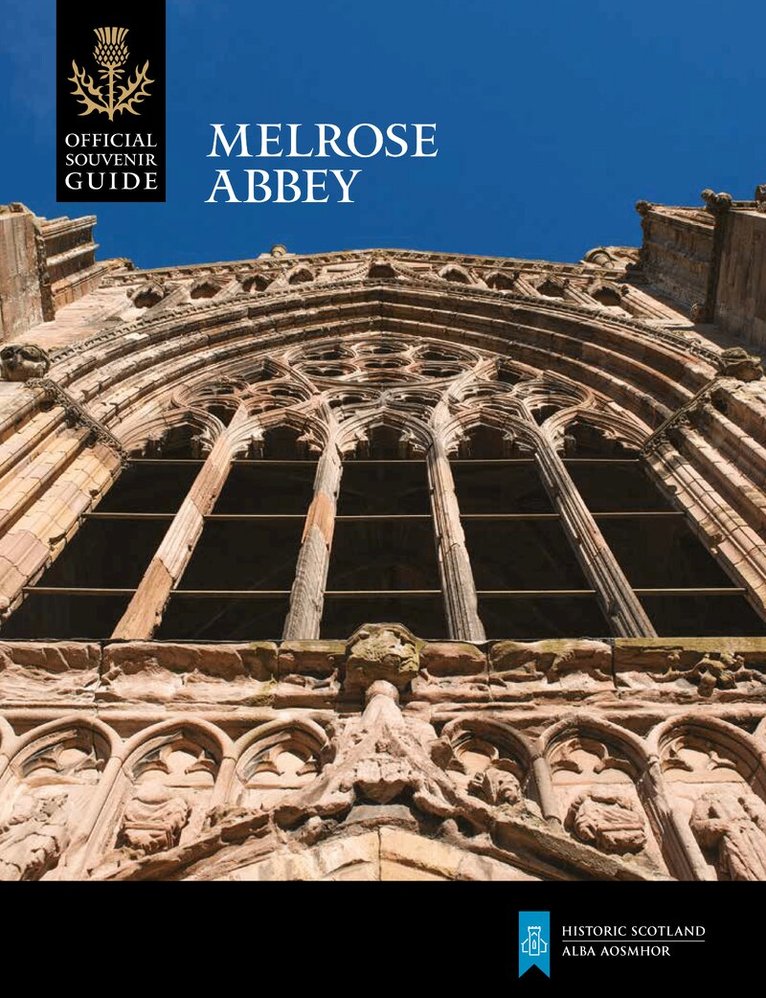
St Aidan of Lindisfarne established a monastery at ‘Mailros’ in the 7th century – a place of solitude and contemplation in the Border hills. Five centuries later, Cistercian monks settled nearby and built Melrose Abbey, inspired by the legacy of the early saints. Their austere and simple monastery would grow to become one of the wealthiest abbeys in medieval Scotland. Its magnificent buildings bear witness to almost 1,000 years of work, prayer and worship.Today, Melrose Abbey sits in a busy town. Within a radius of just a few miles lie the ruins of the three other great Border abbeys – Kelso, Jedburgh and Dryburgh. Together they form the greatest concentration of medieval religious houses in Scotland.
Del 6 - Historic Scotland: Official Souvenir Guide
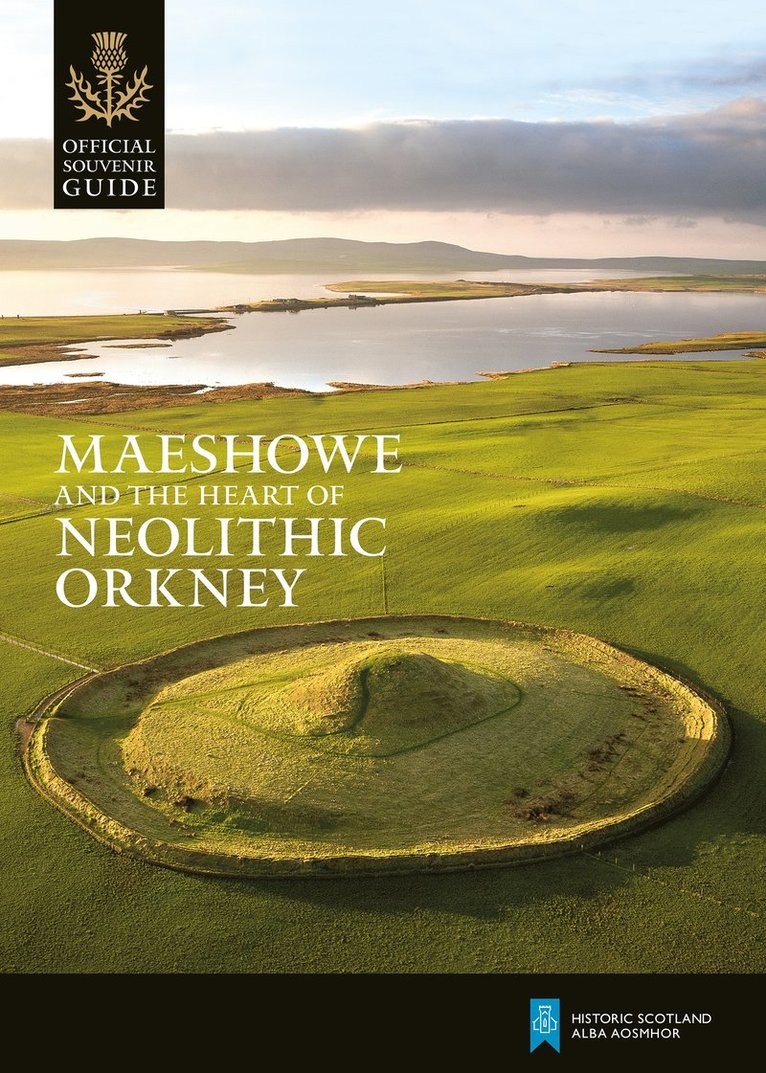
Maeshowe and the Heart of Neolithic Orkney
Häftad, Engelska, 2023
79 kr
Skickas
The chambered tomb of Maeshowe sits in one of the richest and best preserved Neolithic landscapes in Europe. This was a place of stone circles, villages and burial monuments; a place where people lived, worshipped and honoured their dead. The surviving evidence tells us that about 5,000 years ago, Orkney was a thriving focus whose influence was felt many miles away.Aside from Maeshowe, visitors can discover Neolithic houses at Skara Brae and Barnhouse, dramatic stone-circled henges such as the Stones of Stenness and the Ring of Brodgar, and the astonishing ceremonial centre at Ness of Brodgar, still being uncovered by archaeologists.The importance of the Heart of Neolithic Orkney was marked in 1999 when some of its key monuments were inscribed as a UNESCO World Heritage Site. This book will help you to explore and understand the Site, and discover other related monuments in the area.
Del 11 - Historic Scotland: Official Souvenir Guide
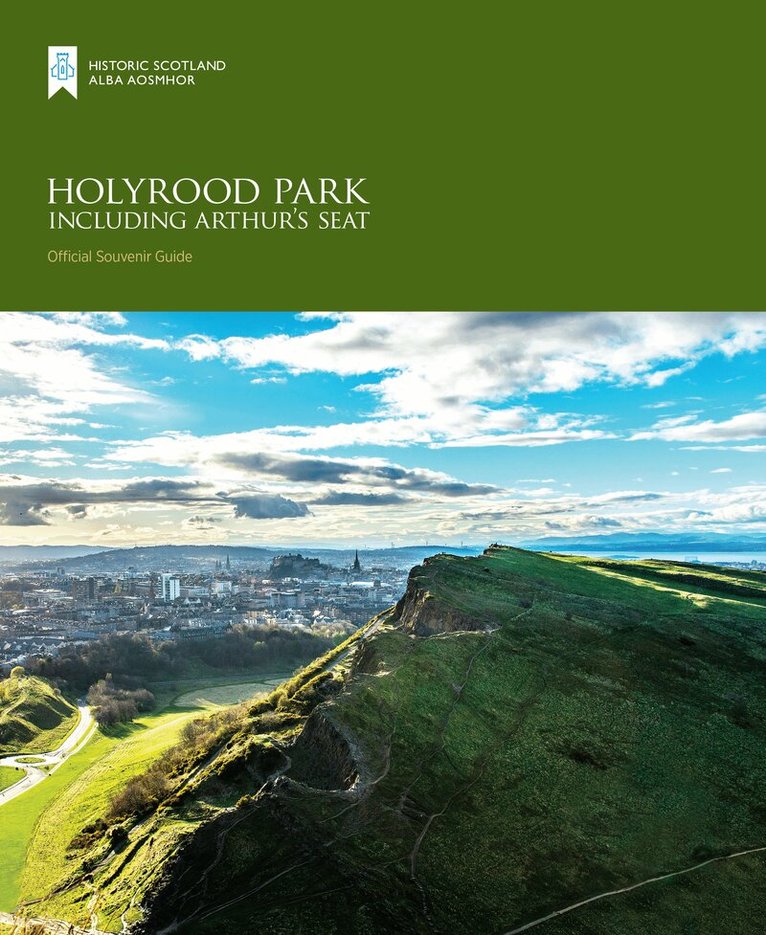
Holyrood Park including Arthur’s Seat
Häftad, Engelska, 2024
79 kr
Skickas
Few capital cities contain a landmark as rugged and expansive as Edinburgh’s Holyrood Park and Arthur’s Seat. Not only does this space provide superb recreational opportunities; it also contains important habitats for a vast diversity of Scottish wildlife, and a wealth of evidence for human activity stretching back into prehistory.Long before the first humans set foot here, this element of Scotland’s landscape was shaped by violent volcanic activity, and it yielded crucial clues for pioneers in the study of geology. It has provided a rich agricultural resource, a venue for royal pastimes, a religious retreat, a sanctuary for debtors, an encampment for Jacobite troops, a military parade ground, a setting for books and films and a varied environment for a wide range of leisure pursuits.This book will help you explore the Park, identify its remarkable features and discover its many stories.
91 kr
Skickas
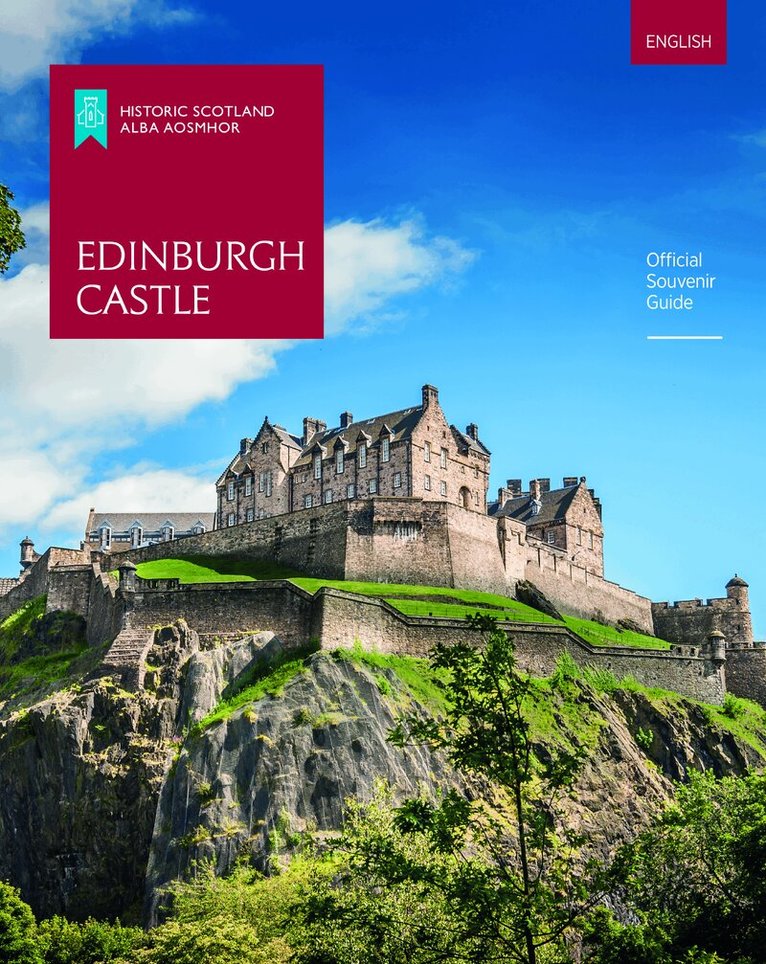
Edinburgh Castle is one of Scotland’s great historic landmarks. The city’s most prominent feature, it stands on a volcanic crag that has been occupied since the Bronze Age.This was a medieval royal castle, a major residence for Scottish kings and queens for centuries. Mary Queen of Scots gave birth to her son James here, and it was only when he became King of England that the castle’s royal significance began to wane.The castle was always a place of military strength, besieged and fought over many times. In later years, it was an army base, where hundreds of soldiers lived. It remains a centre of both royal and military ceremony: home to Scotland’s crown jewels, venue for the Royal Edinburgh Military Tattoo and focal point of a UNESCO World Heritage Site.This compact new guidebook incorporates new research, new illustrations and new photography and is geared to bringing the castle’s long and eventful stories to life, for visitors and non-visitors.
79 kr
Skickas
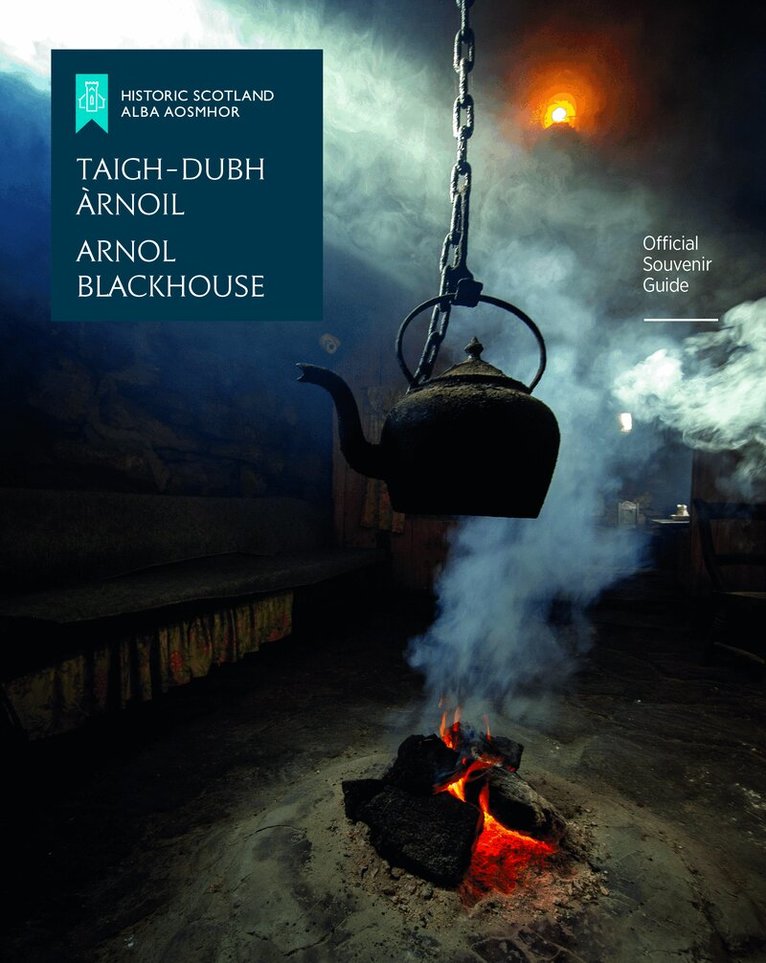
NEW EDITION – PARALLEL ENGLISH AND GAELIC TEXTThis guide explores the rich history of the atmospheric Arnol Blackhouse and township on the Isle of Lewis – a history which reaches back over 2,000 years. The houses that we see today tell the story of life in the Western Isles over the last few centuries.With side-by-side text in Gaelic and English, this new book allows people to explore this remarkable place, the importance of Gaelic culture and language, and to find out what we can learn from the traditions of the past in shaping a sustainable future.
Del 10 - Historic Scotland: Official Souvenir Guide
Arnol Blackhouse
Isle of Lewis
Häftad, Engelska, 2023
67 kr
Skickas
For hundreds of years it was the custom in Lewis for man and beast to be housed together under one roof. The blackhouse at no. 42 Arnol is a unique and precious relic – the residence of a Hebridean crofting family, and their animals, preserved almost as the family left it when they moved out in 1966.When no. 42 Arnol was no longer occupied, the property was entrusted into State care. At that time there were a good number of Hebridean blackhouses still in use as homes; today there are none. When the last blackhouse was vacated, a way of life reaching far back into the past came to an end.The Arnol Blackhouse is now the last tangible link with that tradition. In this guide, Professor Alexander Fenton, an ethnologist who greatly expanded knowledge of Scotland’s rural heritage, evokes a form of living and working on Lewis that now lies beyond the memory of individuals.