H.N. Munro – författare
Visar alla böcker från författaren H.N. Munro. Handla med fri frakt och snabb leverans.
4 produkter
4 produkter
Inbunden, Engelska, 1989
1 664 kr
Skickas inom 10-15 vardagar
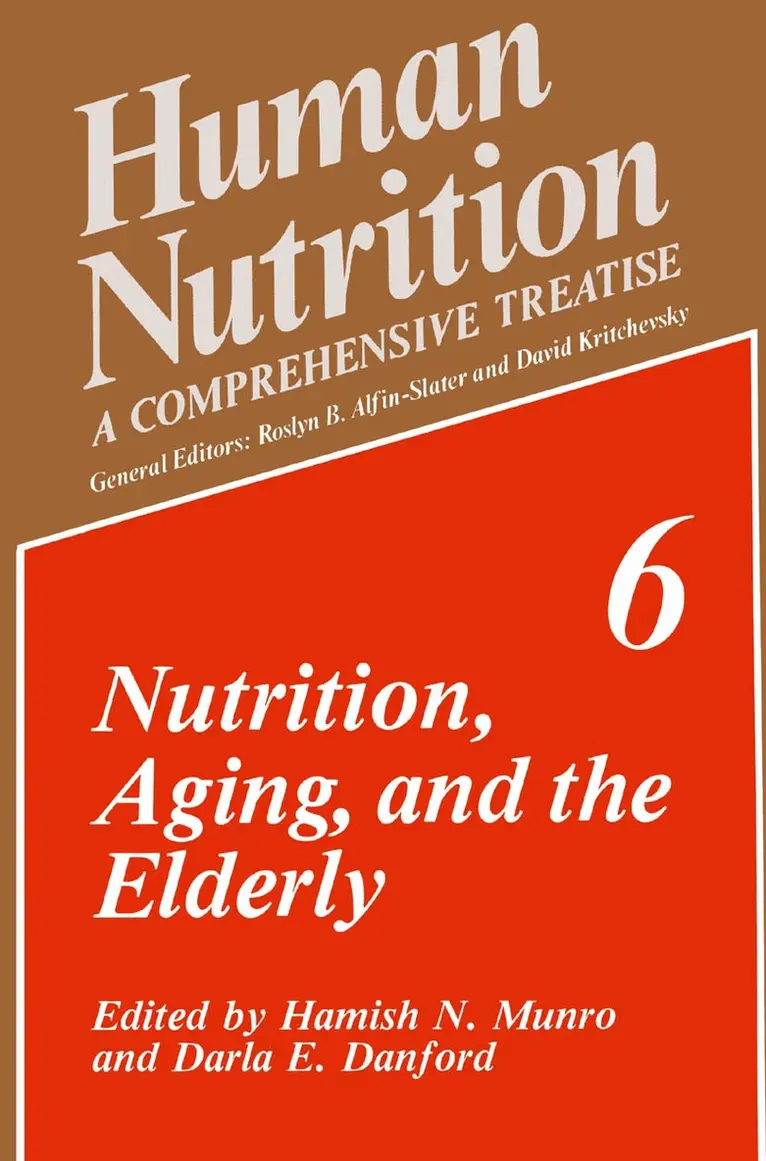
The proportion of the population over 65 years of age is increasing steadily in most industrialized countries. In the United States the proportion of elderly people has risen from four percent in 1900 to 11 % in 1978, and is projected to be 14% by the year 2000. The occurrence of debilitating chronic diseases in the elderly increases with each additional year. These diseases, along with the natural loss of tissue function that occurs throughout adult life, impose a heavy burden on the health care system. Nutri tion plays an important etiologic role in many of these degenerative changes. Conse quently, the aging segment of the population presents a challenge to the nutrition scientist, who should be able to recommend optimal intakes of nutrients to minimize the functional losses associated with aging and to optimize the health of those already elderly. This sixth volume in the series Human Nutrition: A Comprehensive Treatise provides a conspectus of the various interactions of nutrition with the aging process and a comprehensive survey of current knowledge of the amounts of individual nutrients needed by the elderly. The volume begins with a general survey of the multifaceted relationship of nutrition to aging, followed by four chapters on how nutrition can affect age-related changes in selected body functions. The next six chapters cover the avail able evidence regarding the needs of the elderly for dietary energy, protein, calcium, trace elements, vitamins, and fiber.
E-bok
PDF, Engelska, 2012696 kr
Läs direkt efter köp
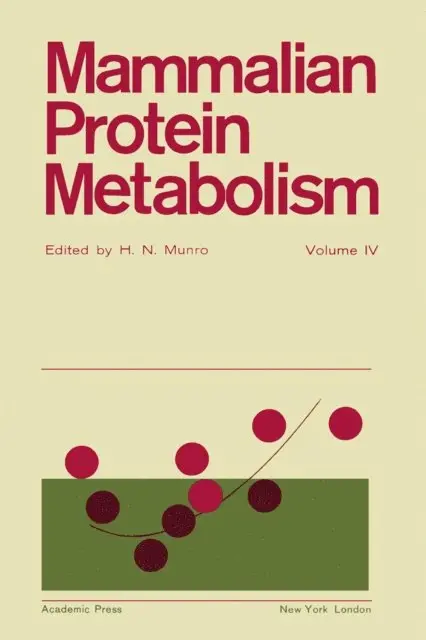
Mammalian Protein Metabolism, Volume IV is an 11-chapter text that describes the regulation of protein metabolism in mammals, both at the subcellular level and at the level of the intact organ and of the whole animal. The first two chapters deal with the fundamental control mechanisms in the synthesis and turnover of proteins, followed by chapters on the mode of action of hormones on protein metabolism and on the role of free amino acid pools in regulation. These topics are followed by discussions on the regulation of individual amino acid pathways and the diurnal rhythms in protein metabolism. The final chapters explore the regulation of protein metabolism in four major organs and tissues of the body, including the gastrointestinal tract, liver, kidney, and musculature. This book will be of great benefit to biologists, researchers, and biology students.
E-bok
PDF, Engelska, 20132 036 kr
Läs direkt efter köp
The proportion of the population over 65 years of age is increasing steadily in most industrialized countries. In the United States the proportion of elderly people has risen from four percent in 1900 to 11 % in 1978, and is projected to be 14% by the year 2000. The occurrence of debilitating chronic diseases in the elderly increases with each additional year. These diseases, along with the natural loss of tissue function that occurs throughout adult life, impose a heavy burden on the health care system. Nutri tion plays an important etiologic role in many of these degenerative changes. Conse quently, the aging segment of the population presents a challenge to the nutrition scientist, who should be able to recommend optimal intakes of nutrients to minimize the functional losses associated with aging and to optimize the health of those already elderly. This sixth volume in the series Human Nutrition: A Comprehensive Treatise provides a conspectus of the various interactions of nutrition with the aging process and a comprehensive survey of current knowledge of the amounts of individual nutrients needed by the elderly. The volume begins with a general survey of the multifaceted relationship of nutrition to aging, followed by four chapters on how nutrition can affect age-related changes in selected body functions. The next six chapters cover the avail able evidence regarding the needs of the elderly for dietary energy, protein, calcium, trace elements, vitamins, and fiber.
Häftad, Engelska, 2013
1 664 kr
Skickas inom 10-15 vardagar
The proportion of the population over 65 years of age is increasing steadily in most industrialized countries. In the United States the proportion of elderly people has risen from four percent in 1900 to 11 % in 1978, and is projected to be 14% by the year 2000. The occurrence of debilitating chronic diseases in the elderly increases with each additional year. These diseases, along with the natural loss of tissue function that occurs throughout adult life, impose a heavy burden on the health care system. Nutri tion plays an important etiologic role in many of these degenerative changes. Conse quently, the aging segment of the population presents a challenge to the nutrition scientist, who should be able to recommend optimal intakes of nutrients to minimize the functional losses associated with aging and to optimize the health of those already elderly. This sixth volume in the series Human Nutrition: A Comprehensive Treatise provides a conspectus of the various interactions of nutrition with the aging process and a comprehensive survey of current knowledge of the amounts of individual nutrients needed by the elderly. The volume begins with a general survey of the multifaceted relationship of nutrition to aging, followed by four chapters on how nutrition can affect age-related changes in selected body functions. The next six chapters cover the avail able evidence regarding the needs of the elderly for dietary energy, protein, calcium, trace elements, vitamins, and fiber.