Holmes Finch - Böcker
Visar alla böcker från författaren Holmes Finch. Handla med fri frakt och snabb leverans.
12 produkter
12 produkter
1 186 kr
Skickas inom 10-15 vardagar
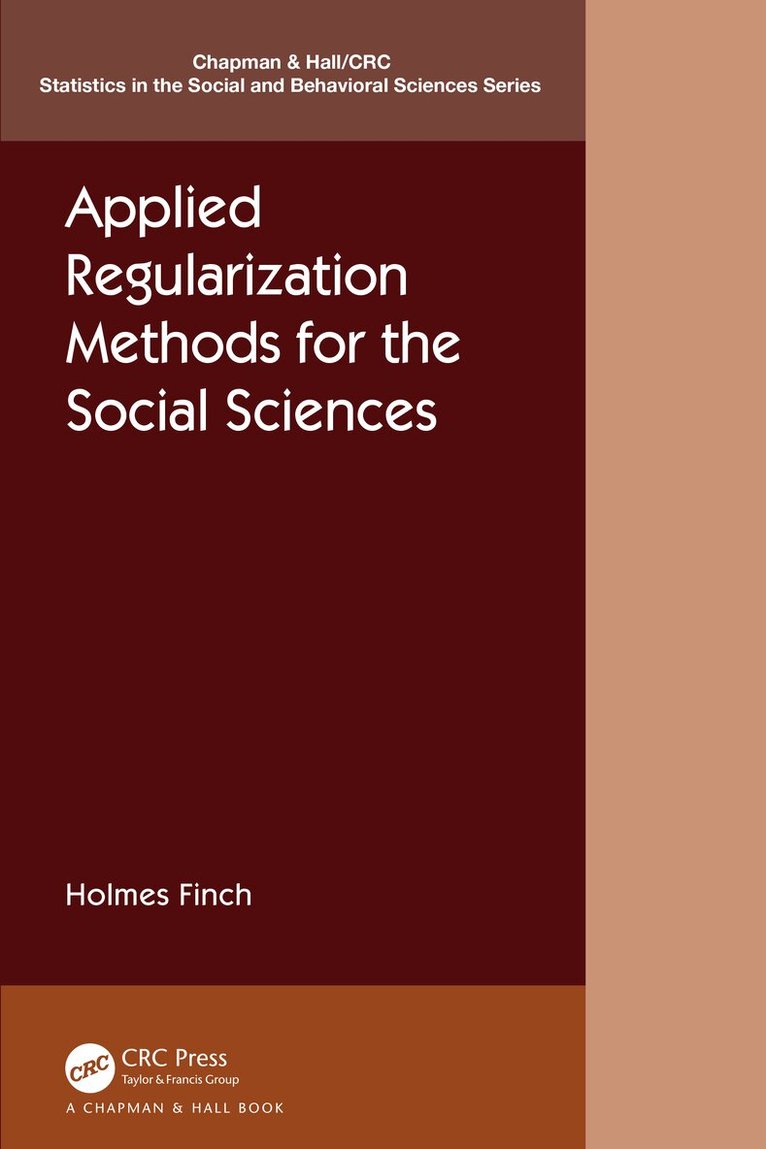
Researchers in the social sciences are faced with complex data sets in which they have relatively small samples and many variables (high dimensional data). Unlike the various technical guides currently on the market, Applied Regularization Methods for the Social Sciences provides and overview of a variety of models alongside clear examples of hands-on application. Each chapter in this book covers a specific application of regularization techniques with a user-friendly technical description, followed by examples that provide a thorough demonstration of the methods in action.Key Features:Description of regularization methods in a user friendly and easy to read mannerInclusion of regularization-based approaches for a variety of statistical analyses commonly used in the social sciences, including both univariate and multivariate modelsFully developed extended examples using multiple software packages, including R, SAS, and SPSSWebsite containing all datasets and software scripts used in the examplesInclusion of both frequentist and Bayesian regularization approachesApplication exercises for each chapter that instructors could use in class, and independent researchers could use to practice what they have learned from the book
671 kr
Skickas inom 10-15 vardagar
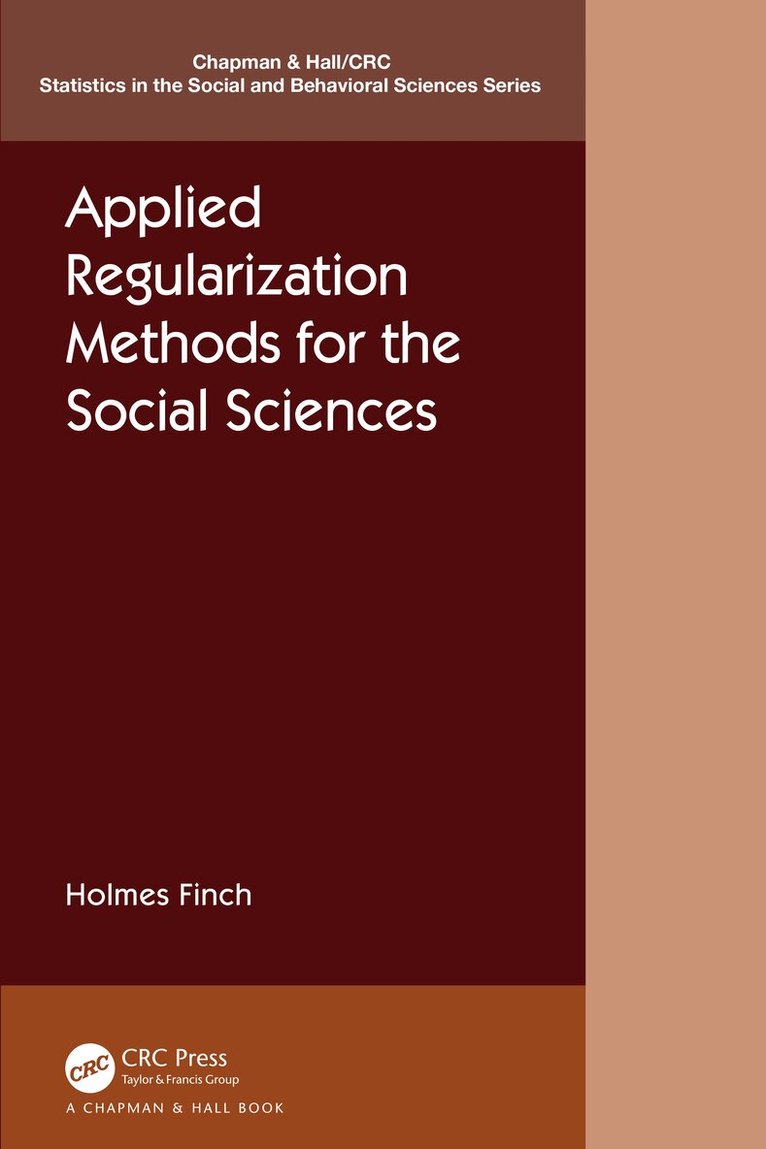
Researchers in the social sciences are faced with complex data sets in which they have relatively small samples and many variables (high dimensional data). Unlike the various technical guides currently on the market, Applied Regularization Methods for the Social Sciences provides and overview of a variety of models alongside clear examples of hands-on application. Each chapter in this book covers a specific application of regularization techniques with a user-friendly technical description, followed by examples that provide a thorough demonstration of the methods in action.Key Features:Description of regularization methods in a user friendly and easy to read mannerInclusion of regularization-based approaches for a variety of statistical analyses commonly used in the social sciences, including both univariate and multivariate modelsFully developed extended examples using multiple software packages, including R, SAS, and SPSSWebsite containing all datasets and software scripts used in the examplesInclusion of both frequentist and Bayesian regularization approachesApplication exercises for each chapter that instructors could use in class, and independent researchers could use to practice what they have learned from the book
2 692 kr
Skickas inom 10-15 vardagar
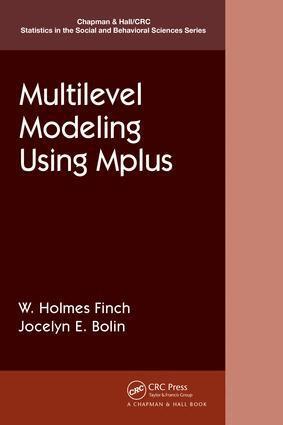
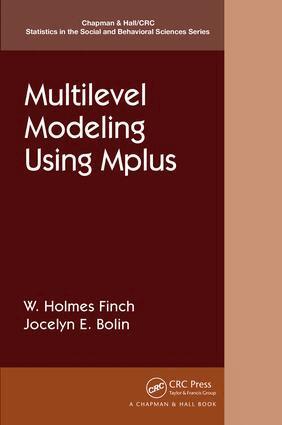
This book is designed primarily for upper level undergraduate and graduate level students taking a course in multilevel modelling and/or statistical modelling with a large multilevel modelling component. The focus is on presenting the theory and practice of major multilevel modelling techniques in a variety of contexts, using Mplus as the software tool, and demonstrating the various functions available for these analyses in Mplus, which is widely used by researchers in various fields, including most of the social sciences. In particular, Mplus offers users a wide array of tools for latent variable modelling, including for multilevel data.
820 kr
Skickas inom 10-15 vardagar
This book is designed primarily for upper level undergraduate and graduate level students taking a course in multilevel modelling and/or statistical modelling with a large multilevel modelling component. The focus is on presenting the theory and practice of major multilevel modelling techniques in a variety of contexts, using Mplus as the software tool, and demonstrating the various functions available for these analyses in Mplus, which is widely used by researchers in various fields, including most of the social sciences. In particular, Mplus offers users a wide array of tools for latent variable modelling, including for multilevel data.
582 kr
Skickas inom 7-10 vardagar
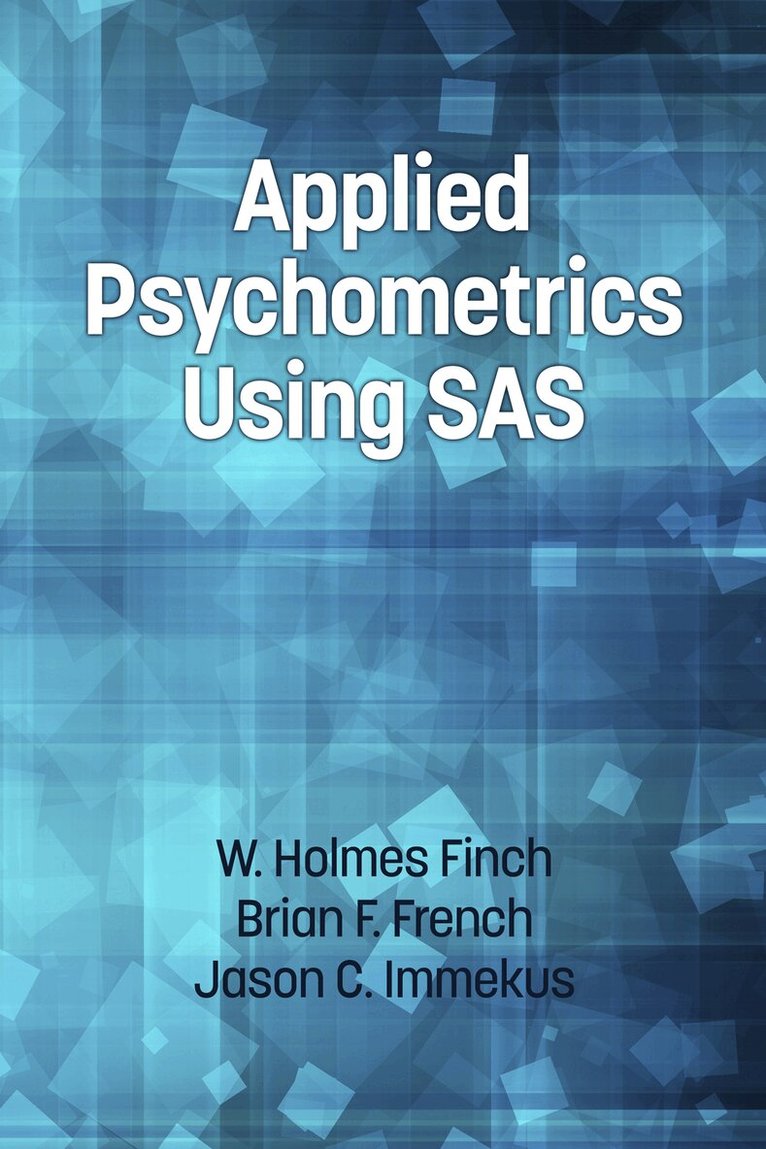
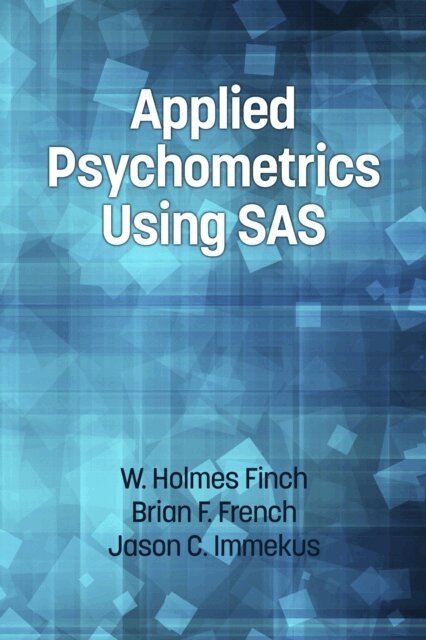
The book will be designed primarily for graduate students (or advanced undergraduates) who are learning psychometrics, as well as professionals in the field who need a reference for use in their practice. We would assume that users have some basic knowledge of using SAS to read data and conduct basic analyses (e.g., descriptive statistics, frequency distributions). In addition, the reader should be familiar with basic statistical concepts such as descriptive statistics (e.g., mean, median, variance, standard deviation), percentiles and the rudiments of hypothesis testing. They should also have a passing familiarity with issues in psychometrics such as reliability, validity and test/survey scoring. We will not assume any more than basic familiarity with these issues, and will devote a portion of each chapter (as well as the entire first chapter) to reviewing many of these basic ideas for those not familiar with them.We envision the book as being useful either as a primary text for a course on applied measurement where SAS is the main platform for instruction, or as a supplement to a more theoretical text. We also anticipate that readers working in government agencies responsible for testing and measurement issues at the local, state and national levels, and private testing, survey and market research companies, as well as faculty members needing a practical resource for psychometric practice will serve as a market for the book. In short, the readership would include graduate students, faculty members, data analysts and psychometricians responsible for analysis of survey response data, as well as educational and psychological assessments.The goal of the book is to provide readers with the tools necessary for assessing the psychometric qualities of educational and psychological measures as well as surveys and questionnaires. Each chapter will cover an issue pertinent to psychometric and measurement practice, with an emphasis on application. Topics will be briefly discussed from a theoretical/technical perspective in order to provide the reader with the background necessary to correctly use and interpret the statistical analyses that will be presented subsequently. Readers will then be presented with examples illustrating a particular concept (e.g., reliability). These examples will include a discussion of the particular analysis, along with the SAS code necessary to conduct them. The resulting output will then be discussed in detail, focusing on the interpretation of the results. Finally, examples of how these results might be written up will also be included in the text. It is hoped that this mixture of theory with examples of actual practice will serve the reader both as a pedagogical tool and as a reference work.
1 029 kr
Skickas inom 7-10 vardagar
The book will be designed primarily for graduate students (or advanced undergraduates) who are learning psychometrics, as well as professionals in the field who need a reference for use in their practice. We would assume that users have some basic knowledge of using SAS to read data and conduct basic analyses (e.g., descriptive statistics, frequency distributions). In addition, the reader should be familiar with basic statistical concepts such as descriptive statistics (e.g., mean, median, variance, standard deviation), percentiles and the rudiments of hypothesis testing. They should also have a passing familiarity with issues in psychometrics such as reliability, validity and test/survey scoring. We will not assume any more than basic familiarity with these issues, and will devote a portion of each chapter (as well as the entire first chapter) to reviewing many of these basic ideas for those not familiar with them.We envision the book as being useful either as a primary text for a course on applied measurement where SAS is the main platform for instruction, or as a supplement to a more theoretical text. We also anticipate that readers working in government agencies responsible for testing and measurement issues at the local, state and national levels, and private testing, survey and market research companies, as well as faculty members needing a practical resource for psychometric practice will serve as a market for the book. In short, the readership would include graduate students, faculty members, data analysts and psychometricians responsible for analysis of survey response data, as well as educational and psychological assessments.The goal of the book is to provide readers with the tools necessary for assessing the psychometric qualities of educational and psychological measures as well as surveys and questionnaires. Each chapter will cover an issue pertinent to psychometric and measurement practice, with an emphasis on application. Topics will be briefly discussed from a theoretical/technical perspective in order to provide the reader with the background necessary to correctly use and interpret the statistical analyses that will be presented subsequently. Readers will then be presented with examples illustrating a particular concept (e.g., reliability). These examples will include a discussion of the particular analysis, along with the SAS code necessary to conduct them. The resulting output will then be discussed in detail, focusing on the interpretation of the results. Finally, examples of how these results might be written up will also be included in the text. It is hoped that this mixture of theory with examples of actual practice will serve the reader both as a pedagogical tool and as a reference work.
454 kr
Skickas inom 7-10 vardagar
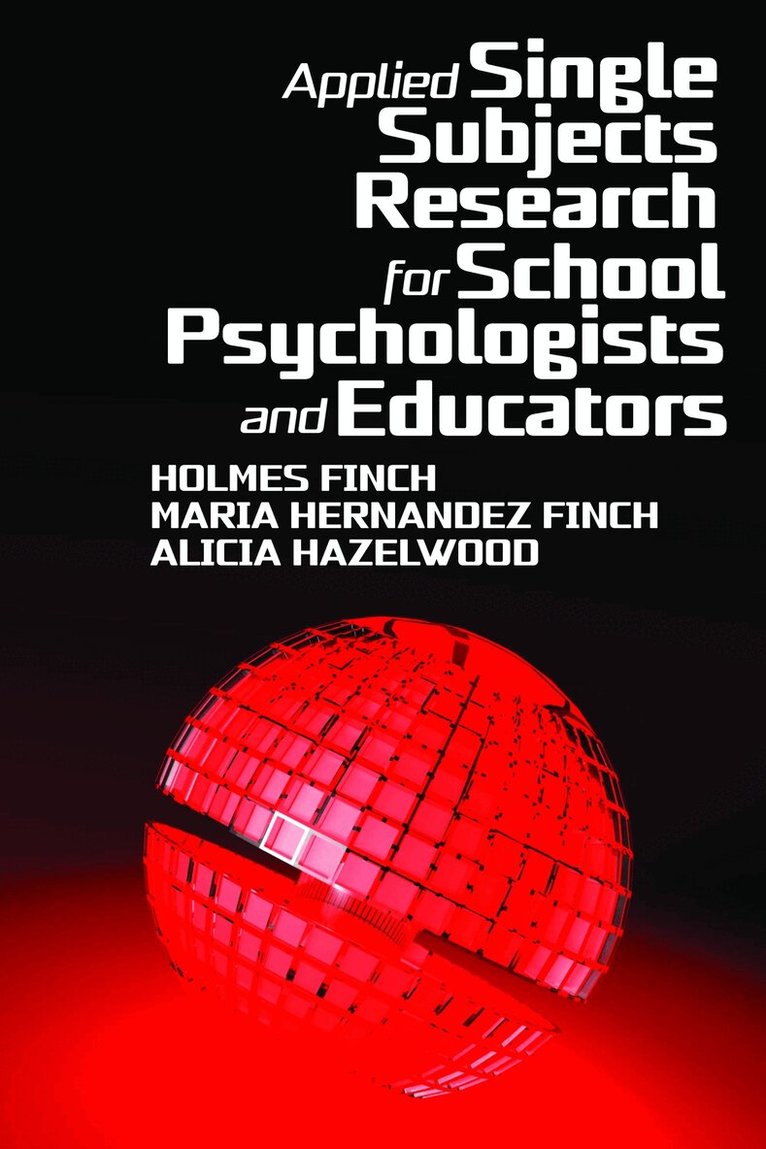
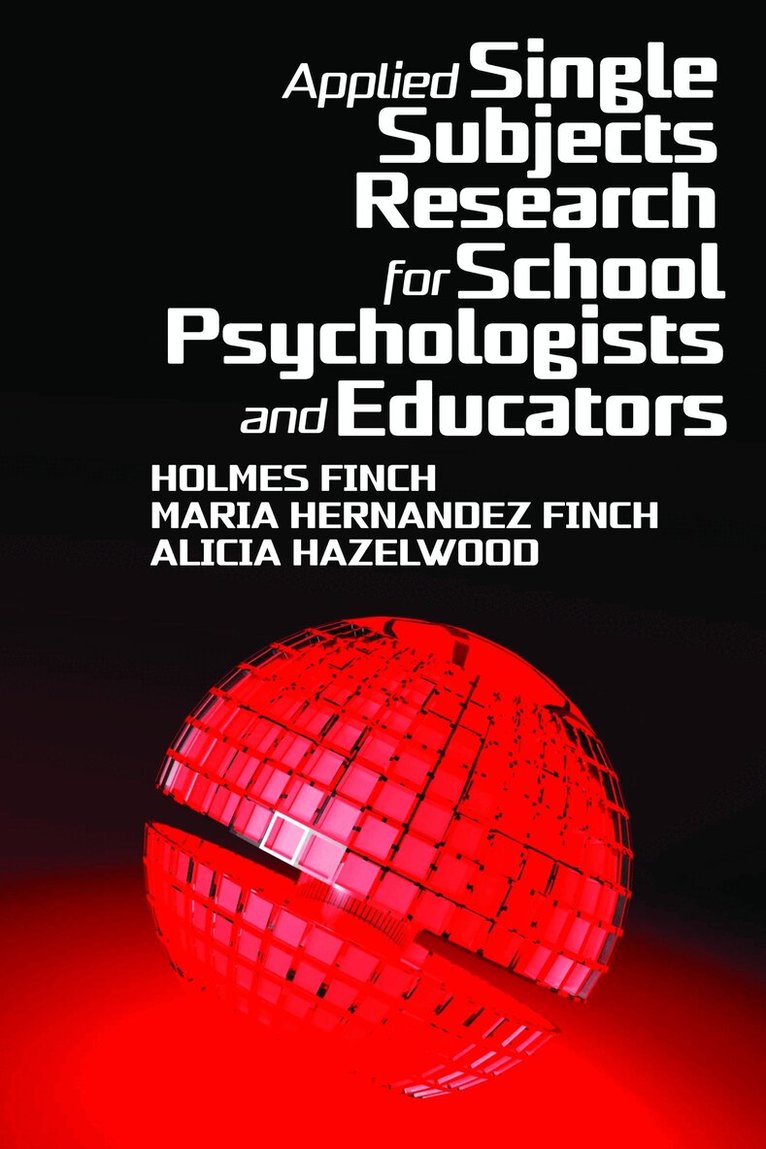
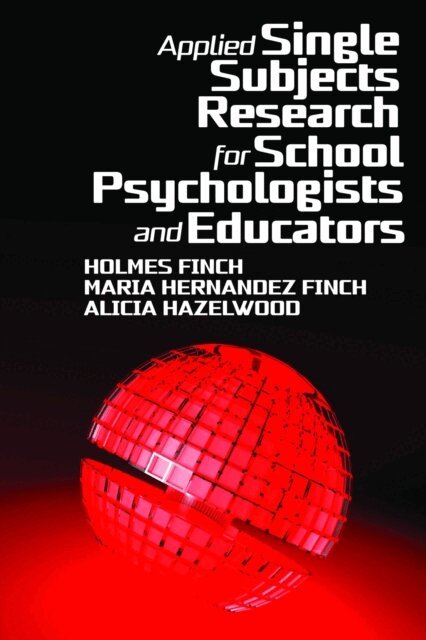
This book will be written primarily for graduate students, advanced undergraduates, and professionals in the fields of school psychology, special education, and other areas of education, as well as the health professions. We see the book as being a viable textbook for courses in research design, applied statistics, applied behavioral analysis, and practicum, among others. We would not assume of the readers any prior knowledge about single subjects designs, nor any prior statistical experience. We will provide an introductory chapter devoted to basic statistical concepts, including measures of central tendency (e.g., mean, median, mode), measures of variation (e.g., variance, standard deviation, range, inter-quartile range), correlation, frequency distributions, and effect sizes. In addition, given that the book will rely heavily on R software, the introductory chapter will also devote attention to the basics of using the software for organizing data, conducting basic statistical analyses, and for graphics. The R commands used to carry out these analyses will be largely automated so that users will only need to define the range for their data, and then enter it into the R spreadsheet. We envision these tools being available on the book website, with instructions for using them available in the book itself.We envision the book as being useful either as a primary text for a course in educational research designs, school psychology practicum, applied behavioral analysis, special education, or applied statistics. We also anticipate that individuals working in schools, school districts, mental health facilities, hospitals, applied behavioral analysis clinics, and evaluation organizations, as well as faculty members needing a practical resource for single subject design research, will all serve as a market for the book. In short, the readership would include graduate students, faculty members, teachers, psychologists, social workers, counselors, medical professionals, applied behavioral analysis professionals, program evaluators, and others whose work focuses on monitoring changes in individuals, particularly as the result of specific treatment conditions.We believe that this book could be marketed through professional organizations such as the American Educational Research Association (AERA), the National Association of School Psychologists, the National Association of Special Education Teachers, the Association for Professional Behavior Analysis, the American Psychological Association (APA), the Association for Psychological Science, and the American Evaluation Association. Within AERA, the following special interest groups would have particular interest in this book: Action Research, Classroom Observation, Disability Studies in Education, Mixed Methods Research, Qualitative Research, and Special Education Research. The book could also be marketed to state departments of education and their special education and school psychology divisions. Currently, many state departments of education require documentation for Response to Intervention (RtI) and Multi-Tiered Systems of Support (MTSS) procedures for individual students. The method taught in this proposed book would allow educators and student support personnel to document the effectiveness of interventions systematically and accurately.
837 kr
Skickas inom 7-10 vardagar
This book will be written primarily for graduate students, advanced undergraduates, and professionals in the fields of school psychology, special education, and other areas of education, as well as the health professions. We see the book as being a viable textbook for courses in research design, applied statistics, applied behavioral analysis, and practicum, among others. We would not assume of the readers any prior knowledge about single subjects designs, nor any prior statistical experience. We will provide an introductory chapter devoted to basic statistical concepts, including measures of central tendency (e.g., mean, median, mode), measures of variation (e.g., variance, standard deviation, range, inter-quartile range), correlation, frequency distributions, and effect sizes. In addition, given that the book will rely heavily on R software, the introductory chapter will also devote attention to the basics of using the software for organizing data, conducting basic statistical analyses, and for graphics. The R commands used to carry out these analyses will be largely automated so that users will only need to define the range for their data, and then enter it into the R spreadsheet. We envision these tools being available on the book website, with instructions for using them available in the book itself.We envision the book as being useful either as a primary text for a course in educational research designs, school psychology practicum, applied behavioral analysis, special education, or applied statistics. We also anticipate that individuals working in schools, school districts, mental health facilities, hospitals, applied behavioral analysis clinics, and evaluation organizations, as well as faculty members needing a practical resource for single subject design research, will all serve as a market for the book. In short, the readership would include graduate students, faculty members, teachers, psychologists, social workers, counselors, medical professionals, applied behavioral analysis professionals, program evaluators, and others whose work focuses on monitoring changes in individuals, particularly as the result of specific treatment conditions.We believe that this book could be marketed through professional organizations such as the American Educational Research Association (AERA), the National Association of School Psychologists, the National Association of Special Education Teachers, the Association for Professional Behavior Analysis, the American Psychological Association (APA), the Association for Psychological Science, and the American Evaluation Association. Within AERA, the following special interest groups would have particular interest in this book: Action Research, Classroom Observation, Disability Studies in Education, Mixed Methods Research, Qualitative Research, and Special Education Research. The book could also be marketed to state departments of education and their special education and school psychology divisions. Currently, many state departments of education require documentation for Response to Intervention (RtI) and Multi-Tiered Systems of Support (MTSS) procedures for individual students. The method taught in this proposed book would allow educators and student support personnel to document the effectiveness of interventions systematically and accurately.
582 kr
Skickas inom 7-10 vardagar
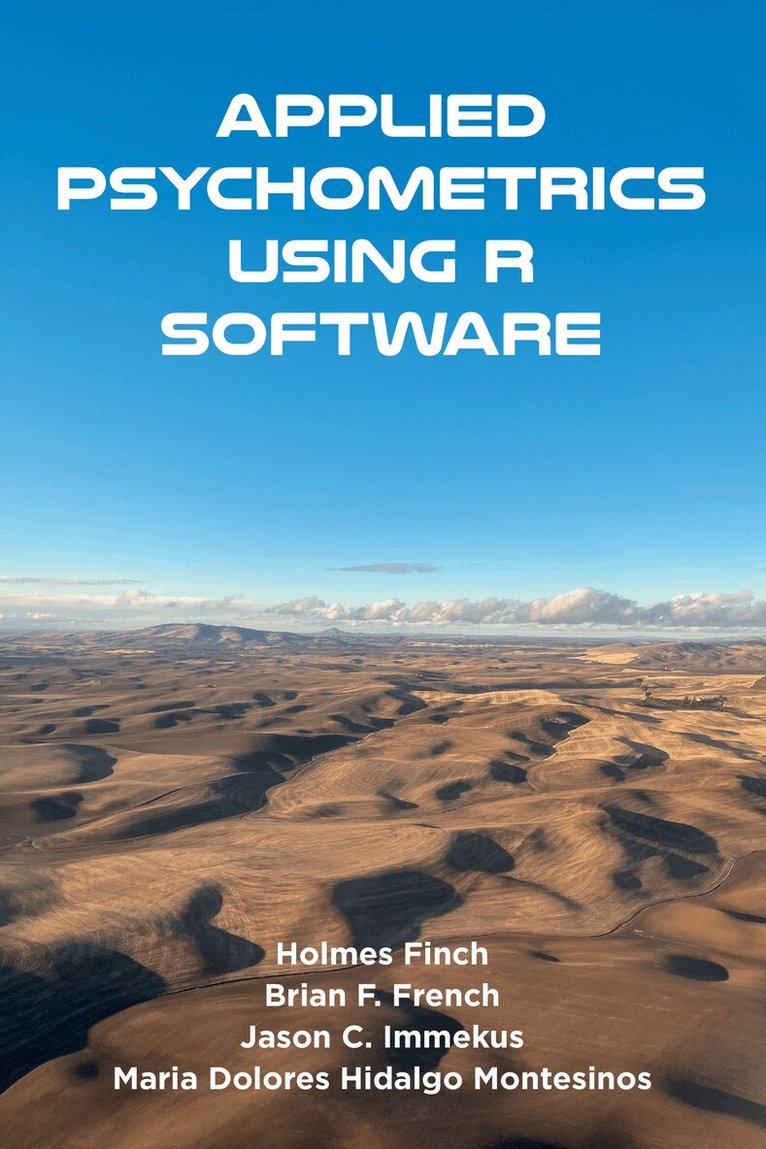
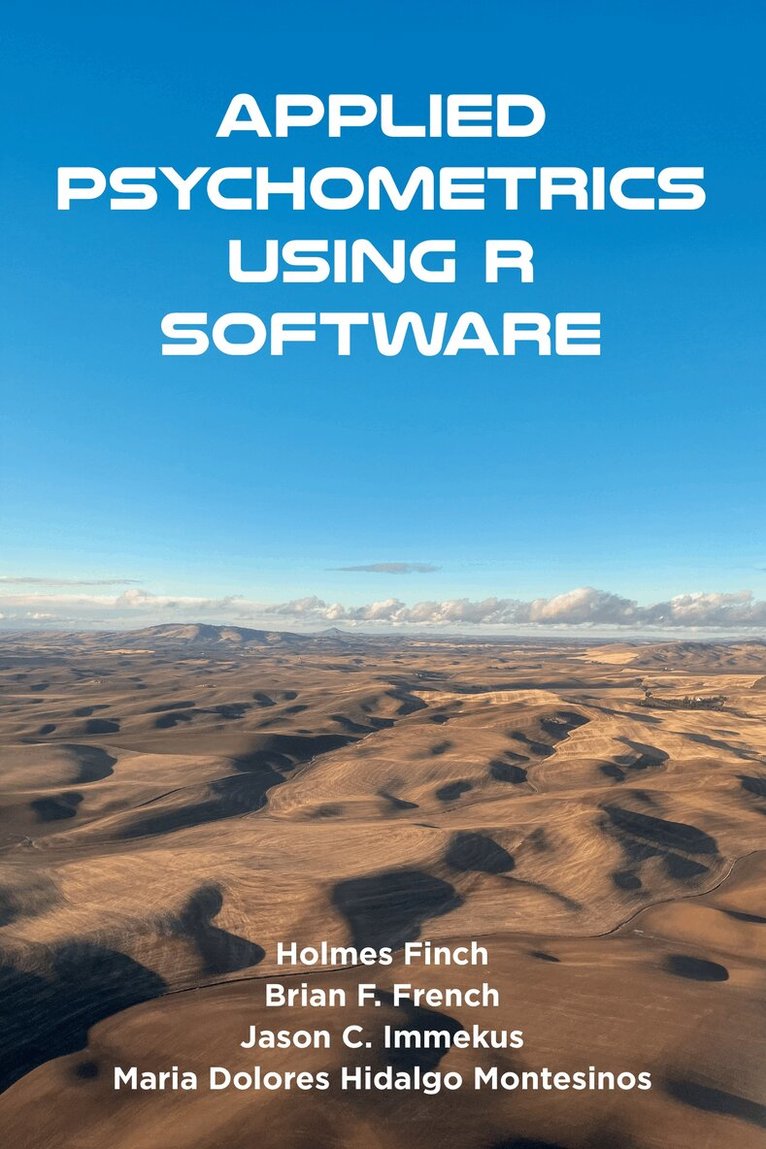
The goal of the book is to provide readers with the tools necessary for assessing the psychometric qualities of educational and psychological measures as well as surveys and questionnaires. Each chapter will cover an issue pertinent to psychometric and measurement practice, with an emphasis on application. Topics will be briefly discussed from a theoretical/technical perspective in order to provide the reader with the background necessary to correctly use and interpret the statistical analyses that will be presented subsequently.The anticipated audience for this book includes researchers, practitioners, and graduate students searching for a guide to perform common psychometric analyses on various assessments, as discussed in many psychometric texts. We envision that this text will (a) patiently wait on some office shelves begging to be handed to a student as a resource, (b) have a permanent home on desks where it continually rises to the top of the stacks for daily use of the applied researcher, (c) be happily carried in bags to and from work and class by the graduate student learning techniques, (d) be listed proudly as a reference text on syllabi, and finally (e) as an occasional drink coaster while deep thoughts are pondered about how to solve measurement problems. We hope that through such uses, particularly the latter, that we have provided some insight and assistance to the user in appropriately applying the techniques and concepts discussed.
1 029 kr
Skickas inom 7-10 vardagar
The goal of the book is to provide readers with the tools necessary for assessing the psychometric qualities of educational and psychological measures as well as surveys and questionnaires. Each chapter will cover an issue pertinent to psychometric and measurement practice, with an emphasis on application. Topics will be briefly discussed from a theoretical/technical perspective in order to provide the reader with the background necessary to correctly use and interpret the statistical analyses that will be presented subsequently.The anticipated audience for this book includes researchers, practitioners, and graduate students searching for a guide to perform common psychometric analyses on various assessments, as discussed in many psychometric texts. We envision that this text will (a) patiently wait on some office shelves begging to be handed to a student as a resource, (b) have a permanent home on desks where it continually rises to the top of the stacks for daily use of the applied researcher, (c) be happily carried in bags to and from work and class by the graduate student learning techniques, (d) be listed proudly as a reference text on syllabi, and finally (e) as an occasional drink coaster while deep thoughts are pondered about how to solve measurement problems. We hope that through such uses, particularly the latter, that we have provided some insight and assistance to the user in appropriately applying the techniques and concepts discussed.
582 kr
Skickas inom 7-10 vardagar
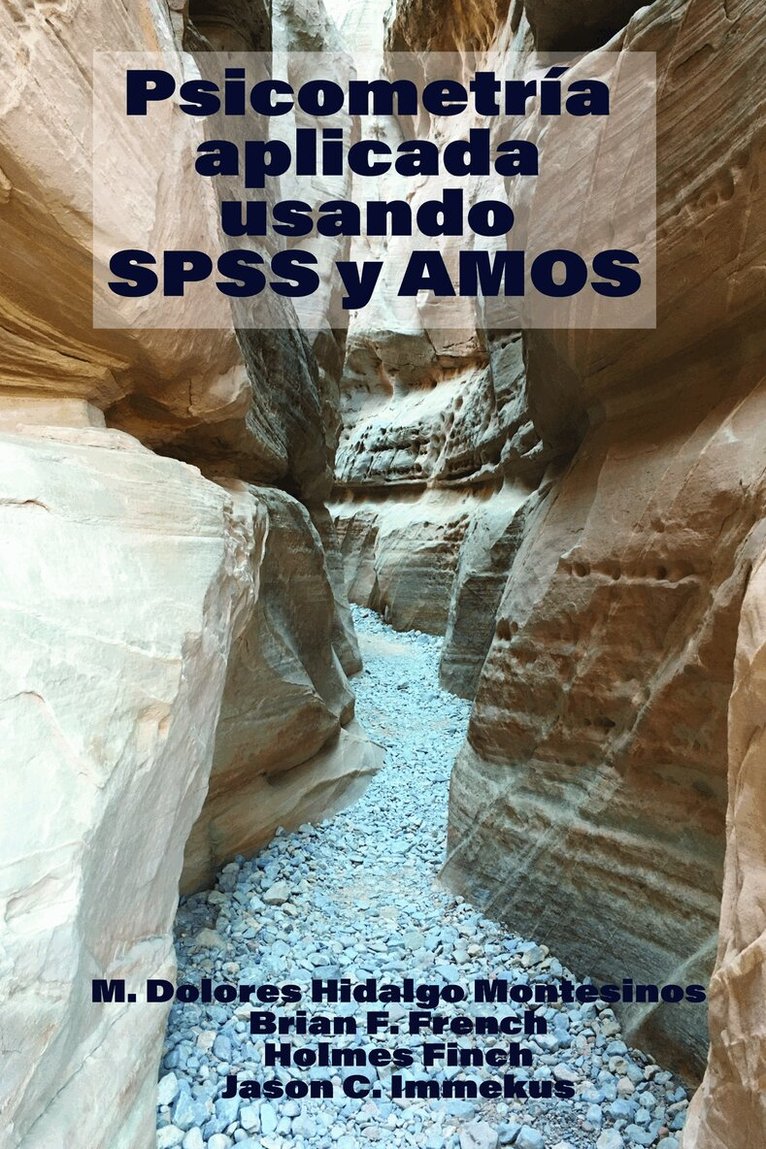
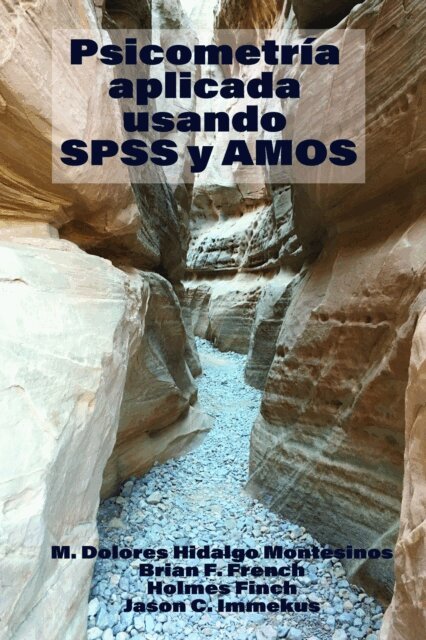
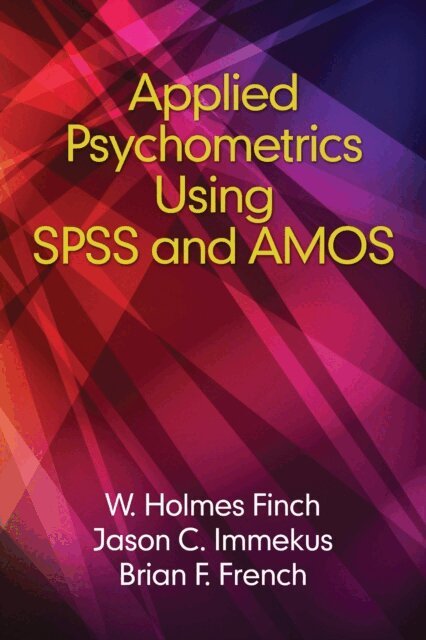
The book will be designed primarily for graduate students (or advanced undergraduates) who are learning psychometrics, as well as professionals in the field who need a reference for use in their practice. We would assume that users have some basic knowledge of using SPSS to read data and conduct basic analyses (e.g., descriptive statistics, frequency distributions). In addition, the reader should be familiar with basic statistical concepts such as descriptive statistics (e.g., mean, median, variance, standard deviation), percentiles and the rudiments of hypothesis testing. They should also have a passing familiarity with issues in psychometrics such as reliability, validity and test/survey scoring. We will not assume any more than basic familiarity with these issues, and will devote a portion of each chapter (as well as the entire first chapter) to reviewing many of these basic ideas for those not familiar with them.We envision the book as being useful either as a primary text for a course on applied measurement where SPSS is the main platform for instruction, or as a supplement to a more theoretical text. We also anticipate that readers working in government agencies responsible for testing and measurement issues at the local, state and national levels, and private testing, survey and market research companies, as well as faculty members needing a practical resource for psychometric practice will serve as a market for the book. In short, the readership would include graduate students, faculty members, data analysts and psychometricians responsible for analysis of survey response data, as well as educational and psychological assessments.The goal of the book is to provide readers with the tools necessary for assessing the psychometric qualities of educational and psychological measures as well as surveys and questionnaires. Each chapter will cover an issue pertinent to psychometric and measurement practice, with an emphasis on application. Topics will be briefly discussed from a theoretical/technical perspective in order to provide the reader with the background necessary to correctly use and interpret the statistical analyses that will be presented subsequently. Readers will then be presented with examples illustrating a particular concept (e.g., reliability). These examples will include a discussion of the particular analysis, along with the SPSS code necessary to conduct them. The resulting output will then be discussed in detail, focusing on the interpretation of the results. Finally, examples of how these results might be written up will also be included in the text. It is hoped that this mixture of theory with examples of actual practice will serve the reader both as a pedagogical tool and as a reference work.To our knowledge, no book outlining psychometric practice using commonly available software such as SPSS currently exists. Given that many practitioners in academia, government and private industry use SPSS for statistical analyses of testing data, we believe that our book will fill an important niche in the market. It will contain very practical information regarding how to conduct a wide variety of psychometric analyses, along with tips on interpretation of results and the appropriate format for reporting these results. We believe that it will prove useful to individuals in educational measurement, psychometrics, and survey and market research.Our text will add to the literature by providing users with a single reference containing the major ideas in applied psychometrics with instructions and examples for conducting the analyses in SPSS. In addition, we will provide original macros for estimating a variety of statistics and conducting analyses common in educational and psychological measurement.
1 029 kr
Skickas inom 7-10 vardagar
The book will be designed primarily for graduate students (or advanced undergraduates) who are learning psychometrics, as well as professionals in the field who need a reference for use in their practice. We would assume that users have some basic knowledge of using SPSS to read data and conduct basic analyses (e.g., descriptive statistics, frequency distributions). In addition, the reader should be familiar with basic statistical concepts such as descriptive statistics (e.g., mean, median, variance, standard deviation), percentiles and the rudiments of hypothesis testing. They should also have a passing familiarity with issues in psychometrics such as reliability, validity and test/survey scoring. We will not assume any more than basic familiarity with these issues, and will devote a portion of each chapter (as well as the entire first chapter) to reviewing many of these basic ideas for those not familiar with them.We envision the book as being useful either as a primary text for a course on applied measurement where SPSS is the main platform for instruction, or as a supplement to a more theoretical text. We also anticipate that readers working in government agencies responsible for testing and measurement issues at the local, state and national levels, and private testing, survey and market research companies, as well as faculty members needing a practical resource for psychometric practice will serve as a market for the book. In short, the readership would include graduate students, faculty members, data analysts and psychometricians responsible for analysis of survey response data, as well as educational and psychological assessments.The goal of the book is to provide readers with the tools necessary for assessing the psychometric qualities of educational and psychological measures as well as surveys and questionnaires. Each chapter will cover an issue pertinent to psychometric and measurement practice, with an emphasis on application. Topics will be briefly discussed from a theoretical/technical perspective in order to provide the reader with the background necessary to correctly use and interpret the statistical analyses that will be presented subsequently. Readers will then be presented with examples illustrating a particular concept (e.g., reliability). These examples will include a discussion of the particular analysis, along with the SPSS code necessary to conduct them. The resulting output will then be discussed in detail, focusing on the interpretation of the results. Finally, examples of how these results might be written up will also be included in the text. It is hoped that this mixture of theory with examples of actual practice will serve the reader both as a pedagogical tool and as a reference work.To our knowledge, no book outlining psychometric practice using commonly available software such as SPSS currently exists. Given that many practitioners in academia, government and private industry use SPSS for statistical analyses of testing data, we believe that our book will fill an important niche in the market. It will contain very practical information regarding how to conduct a wide variety of psychometric analyses, along with tips on interpretation of results and the appropriate format for reporting these results. We believe that it will prove useful to individuals in educational measurement, psychometrics, and survey and market research.Our text will add to the literature by providing users with a single reference containing the major ideas in applied psychometrics with instructions and examples for conducting the analyses in SPSS. In addition, we will provide original macros for estimating a variety of statistics and conducting analyses common in educational and psychological measurement.