Hoon Han – författare
Visar alla böcker från författaren Hoon Han. Handla med fri frakt och snabb leverans.
5 produkter
5 produkter
Inbunden, Engelska, 2018
546 kr
Skickas inom 10-15 vardagar
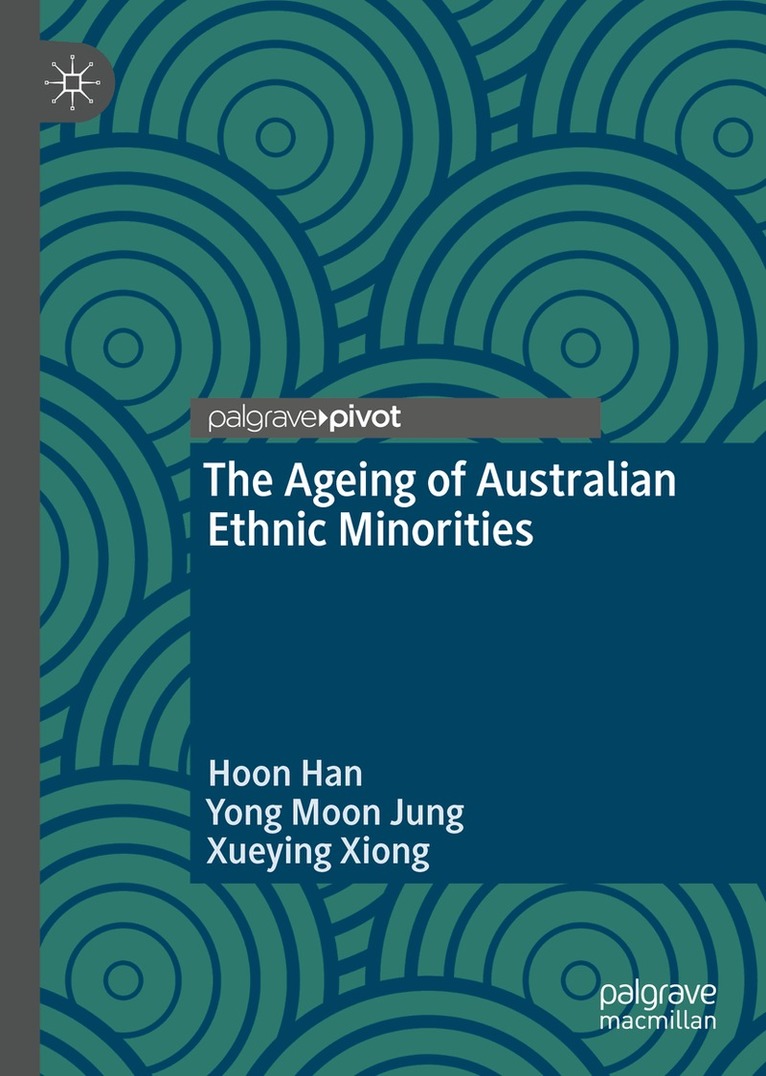
This book provides a comprehensive view of the quality of life of older people from culturally and linguistically diverse (CALD) backgrounds living in Australia.The book is unique and significant because the descriptions and arguments presented are based on the lived experience and hence provide deep insights into the complexity and dynamics of CALD older migrants. Key areas of exploration include social connectedness and inclusion, post-retirement economic activities, living arrangement and housing choice, practice of care, intergenerational exchange, and life satisfaction. A focus is placed on the diversity of ageing experience. Pathways of ageing are one of the key factors in investigating inter and intra-ethnic commonalities and disparities. The policy and research implications presented will appeal to policy makers, practitioners and researchers.
E-bok
Engelska, 2018712 kr
Läs direkt efter köp
This book provides a comprehensive view of the quality of life of older people from culturally and linguistically diverse (CALD) backgrounds living in Australia.The book is unique and significant because the descriptions and arguments presented are based on the lived experience and hence provide deep insights into the complexity and dynamics of CALD older migrants. Key areas of exploration include social connectedness and inclusion, post-retirement economic activities, living arrangement and housing choice, practice of care, intergenerational exchange, and life satisfaction. A focus is placed on the diversity of ageing experience. Pathways of ageing are one of the key factors in investigating inter and intra-ethnic commonalities and disparities. The policy and research implications presented will appeal to policy makers, practitioners and researchers.
Inbunden, Engelska, 2019
1 407 kr
Skickas inom 10-15 vardagar
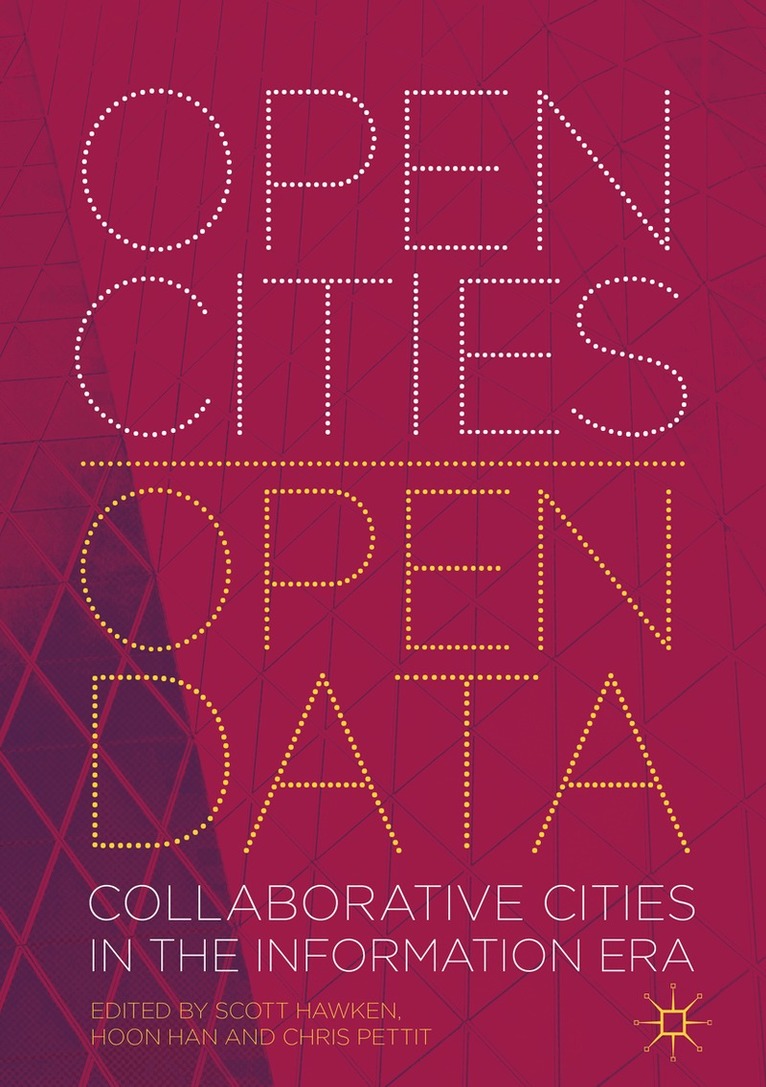
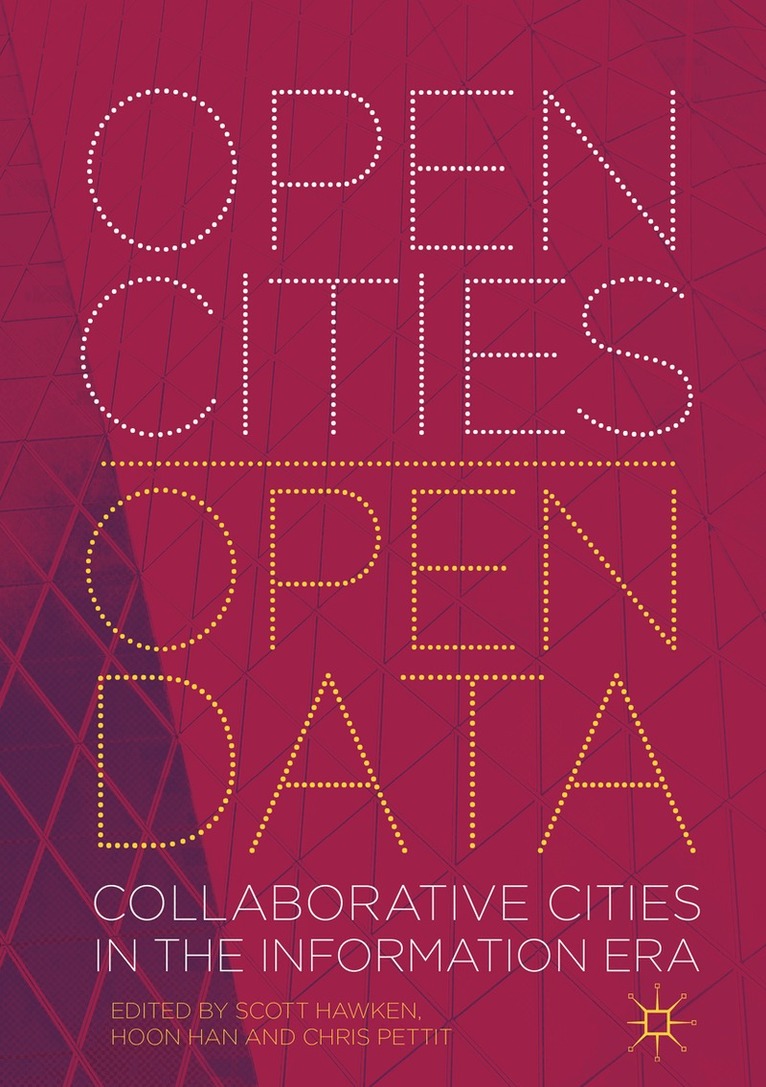
Today the world’s largest economies and corporations trade in data and its products to generate value in new disruptive markets. Within these markets vast streams of data are often inaccessible or untapped and controlled by powerful monopolies. Counter to this exclusive use of data is a promising world-wide “open-data” movement, promoting freely accessible information to share, reuse and redistribute. The provision and application of open data has enormous potential to transform exclusive, technocratic “smart cities” into inclusive and responsive “open-cities”.This book argues that those who contribute urban data should benefit from its production. Like the city itself, the information landscape is a public asset produced through collective effort, attention, and resources. People produce data through their engagement with the city, creating digital footprints through social medial, mobility applications, and city sensors. By opening up data there is potential to generate greater value by supporting unforeseen collaborations, spontaneous urban innovations and solutions, and improved decision-making insights. Yet achieving more open cities is made challenging by conflicting desires for urban anonymity, sociability, privacy and transparency. This book engages with these issues through a variety of critical perspectives, and presents strategies, tools and case studies that enable this transformation.
E-bok
Engelska, 20191 733 kr
Läs direkt efter köp
Today the world’s largest economies and corporations trade in data and its products to generate value in new disruptive markets. Within these markets vast streams of data are often inaccessible or untapped and controlled by powerful monopolies. Counter to this exclusive use of data is a promising world-wide “open-data” movement, promoting freely accessible information to share, reuse and redistribute. The provision and application of open data has enormous potential to transform exclusive, technocratic “smart cities” into inclusive and responsive “open-cities”.This book argues that those who contribute urban data should benefit from its production. Like the city itself, the information landscape is a public asset produced through collective effort, attention, and resources. People produce data through their engagement with the city, creating digital footprints through social medial, mobility applications, and city sensors. By opening up data there is potential to generate greater value by supporting unforeseen collaborations, spontaneous urban innovations and solutions, and improved decision-making insights. Yet achieving more open cities is made challenging by conflicting desires for urban anonymity, sociability, privacy and transparency. This book engages with these issues through a variety of critical perspectives, and presents strategies, tools and case studies that enable this transformation.
Häftad, Engelska, 2020
1 407 kr
Skickas inom 10-15 vardagar
Today the world’s largest economies and corporations trade in data and its products to generate value in new disruptive markets. Within these markets vast streams of data are often inaccessible or untapped and controlled by powerful monopolies. Counter to this exclusive use of data is a promising world-wide “open-data” movement, promoting freely accessible information to share, reuse and redistribute. The provision and application of open data has enormous potential to transform exclusive, technocratic “smart cities” into inclusive and responsive “open-cities”.This book argues that those who contribute urban data should benefit from its production. Like the city itself, the information landscape is a public asset produced through collective effort, attention, and resources. People produce data through their engagement with the city, creating digital footprints through social medial, mobility applications, and city sensors. By opening up data there is potential to generate greater value by supporting unforeseen collaborations, spontaneous urban innovations and solutions, and improved decision-making insights. Yet achieving more open cities is made challenging by conflicting desires for urban anonymity, sociability, privacy and transparency. This book engages with these issues through a variety of critical perspectives, and presents strategies, tools and case studies that enable this transformation.