Hope Masterton Waddell – författare
Visar alla böcker från författaren Hope Masterton Waddell. Handla med fri frakt och snabb leverans.
4 produkter
Twenty-Nine Years in the West Indies and Central Africa
A Review of Missionary Work and Adventure. 1829-1858
Inbunden, 2022
558 kr
Lägg i varukorg
Twenty-Nine Years in the West Indies and Central Africa
A Review of Missionary Work and Adventure. 1829-1858
Häftad, 2022
426 kr
Lägg i varukorg
Twenty-Nine Years in the West Indies and Central Africa
A Review of Missionary Work and Adventure, 1829-1858
Häftad, 2010
1005 kr
Lägg i varukorg
This vivid account of the missionary work of the Rev. Hope Masterton Waddell in the West Indies and Central Africa was first published in 1863. During his sixteen years in Jamaica he witnessed the slave revolt and the aftermath of the abolition of slavery. The mission helped former slaves adapt to …
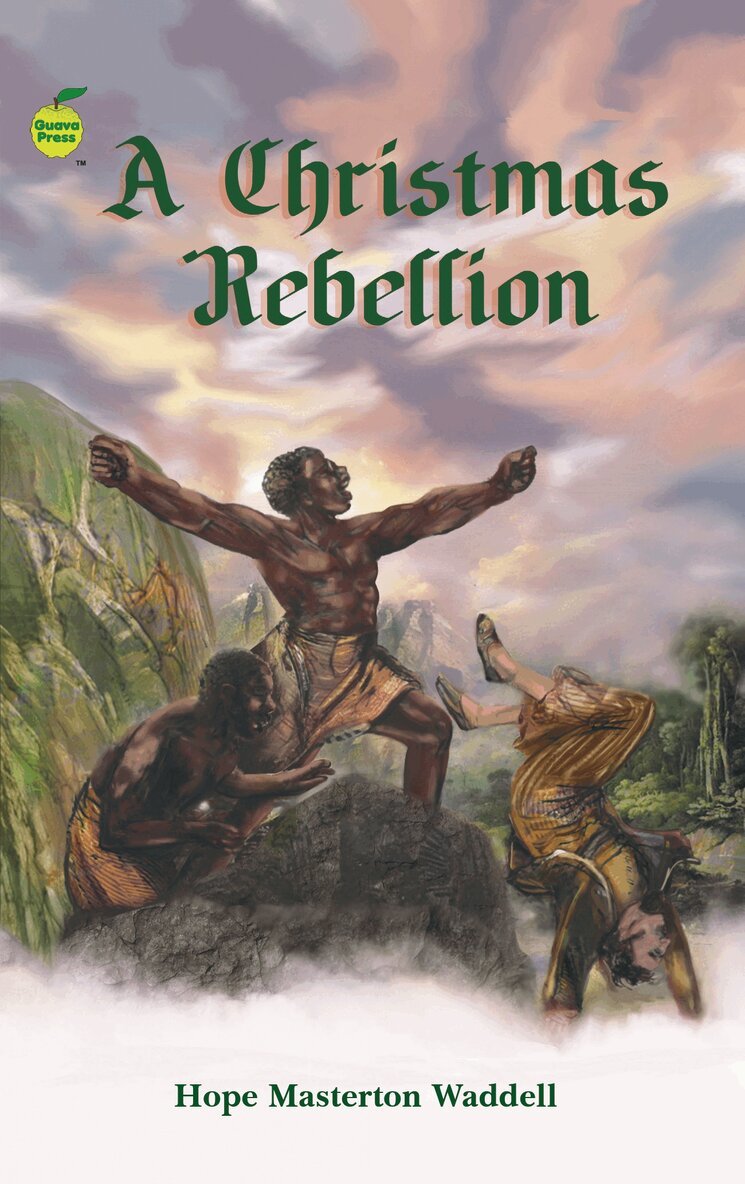
Christmas Rebellion
Häftad, 2024
95 kr
Lägg i varukorg
This is a vivid account of the slave uprising that started in Jamaica on 25th December 1831 and which lasted into the first weeks of 1832. The revolt was also called the Baptist War because many of the rebels were of the Baptist denomination. Hope Masterton Waddell was a missionary on the island at …