
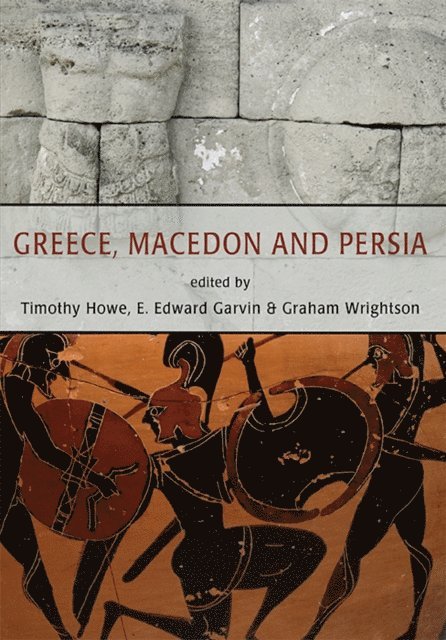
Greece, Macedon and Persia contains a collection of papers related to the history and historiography of warfare, politics and power in the Ancient Mediterranean world. The contributions, written by 19 recognized experts from a variety of methodological and evidentiary perspectives, show how ancient peoples considered war and conflict at the heart of social, political and economic activity. Though focusing on a single theme – war – the papers are firmly based in the context of the wider social and literary issues of Ancient Mediterranean scholarship and as such, consider war and conflict as part of a complex matrix of culture in which historical actors articulate their relationships with society and historical authors articulate their relationships with history. The result is a rich understanding of Ancient World history and history-writing. The volume is presented in honour of Waldemar Heckel, a foremost scholar of Alexander the Great and ancient warfare.
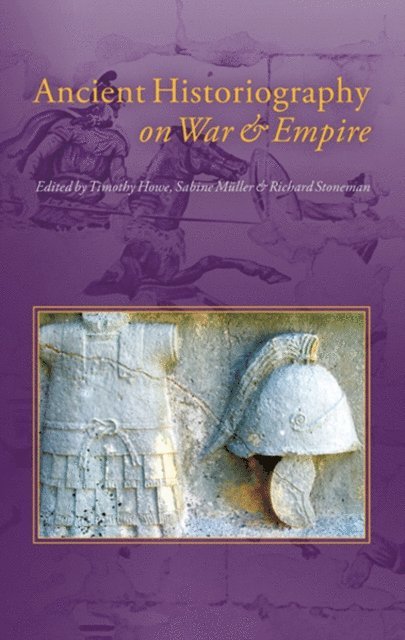
In the ancient Greek-speaking world, writing about the past meant balancing the reporting of facts with shaping and guiding the political interests and behaviours of the present. Ancient Historiography on War and Empire shows the ways in which the literary genre of writing history developed to guide empires through their wars. Taking key events from the Achaemenid Persian, Athenian, Macedonian and Roman ‘empires’, the 17 essays collected here analyse the way events and the accounts of those events interact. Subjects include: how Greek historians assign nearly divine honours to the Persian King; the role of the tomb cult of Cyrus the Founder in historical narratives of conquest and empire from Herodotus to the Alexander historians; warfare and financial innovation in the age of Philip II and his son, Alexander the Great; the murders of Philip II, his last and seventh wife Kleopatra, and her guardian, Attalos; Alexander the Great’s combat use of eagle symbolism and divination; Plutarch’s juxtaposition of character in the Alexander-Caesar pairing as a commentary on political legitimacy and military prowess, and Roman Imperial historians using historical examples of good and bad rule to make meaningful challenges to current Roman authority. In some cases, the balance shifts more towards the ‘literary’ and in others more towards the ‘historical’, but what all of the essays have in common is both a critical attention to the genre and context of history-writing in the ancient world and its focus on war and empire.
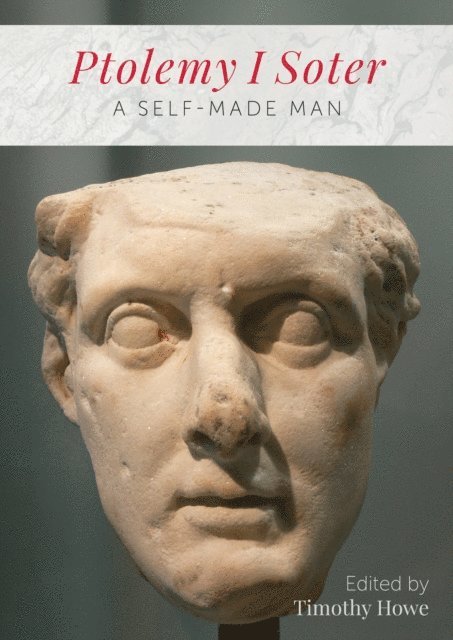
As the founder of the longest-lasting of all the Hellenistic kingdoms, not only was Ptolemy I an able soldier and ruler, he was also an historian and, in Egyptian eyes, a living god. His own inclination and experience facilitated continuous acts of self-creation in a variety of forms, whether literary, dynastic, artistic, or political. His work on Alexander and his campaigns was used by the later Alexander historians, and was one of Arrian’s major sources for his Anabasis. In the pages of his own history, Ptolemy constructed a self-portrait characterized by military courage and deep friendship with Alexander. As ruler of the Egyptian kingdom, Ptolemy experienced an elevated model of kingship very different from the Macedonian one: he consciously embraced the divinity of the Pharaoh, a construct that had little to do with the real man who wore the crowns. The chapters in this book, written by field experts in numismatics, gender, warfare, historiography, Egyptology and religion, examine the many ways in which Alexander the Great’s most successful Successor consciously made his own legacy.
Greece, Macedon and Persia contains a collection of papers related to the history and historiography of warfare, politics and power in the Ancient Mediterranean world. The contributions, written by 19 recognized experts from a variety of methodological and evidentiary perspectives, show how ancient peoples considered war and conflict at the heart of social, political and economic activity. Though focusing on a single theme – war – the papers are firmly based in the context of the wider social and literary issues of Ancient Mediterranean scholarship and as such, consider war and conflict as part of a complex matrix of culture in which historical actors articulate their relationships with society and historical authors articulate their relationships with history. The result is a rich understanding of Ancient World history and history-writing. The volume is presented in honour of Waldemar Heckel, a foremost scholar of Alexander the Great and ancient warfare.
In the ancient Greek-speaking world, writing about the past meant balancing the reporting of facts with shaping and guiding the political interests and behaviours of the present. Ancient Historiography on War and Empire shows the ways in which the literary genre of writing history developed to guide empires through their wars. Taking key events from the Achaemenid Persian, Athenian, Macedonian and Roman ‘empires’, the 17 essays collected here analyse the way events and the accounts of those events interact. Subjects include: how Greek historians assign nearly divine honours to the Persian King; the role of the tomb cult of Cyrus the Founder in historical narratives of conquest and empire from Herodotus to the Alexander historians; warfare and financial innovation in the age of Philip II and his son, Alexander the Great; the murders of Philip II, his last and seventh wife Kleopatra, and her guardian, Attalos; Alexander the Great’s combat use of eagle symbolism and divination; Plutarch’s juxtaposition of character in the Alexander-Caesar pairing as a commentary on political legitimacy and military prowess, and Roman Imperial historians using historical examples of good and bad rule to make meaningful challenges to current Roman authority. In some cases, the balance shifts more towards the ‘literary’ and in others more towards the ‘historical’, but what all of the essays have in common is both a critical attention to the genre and context of history-writing in the ancient world and its focus on war and empire.
As the founder of the longest-lasting of all the Hellenistic kingdoms, not only was Ptolemy I an able soldier and ruler, he was also an historian and, in Egyptian eyes, a living god. His own inclination and experience facilitated continuous acts of self-creation in a variety of forms, whether literary, dynastic, artistic, or political. His work on Alexander and his campaigns was used by the later Alexander historians, and was one of Arrian’s major sources for his Anabasis. In the pages of his own history, Ptolemy constructed a self-portrait characterized by military courage and deep friendship with Alexander. As ruler of the Egyptian kingdom, Ptolemy experienced an elevated model of kingship very different from the Macedonian one: he consciously embraced the divinity of the Pharaoh, a construct that had little to do with the real man who wore the crowns. The chapters in this book, written by field experts in numismatics, gender, warfare, historiography, Egyptology and religion, examine the many ways in which Alexander the Great’s most successful Successor consciously made his own legacy.