Hugh J. Reilly – författare
Visar alla böcker från författaren Hugh J. Reilly. Handla med fri frakt och snabb leverans.
4 produkter
4 produkter
Inbunden, Engelska, 2010
947 kr
Skickas inom 10-15 vardagar
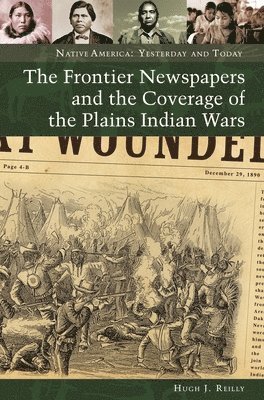
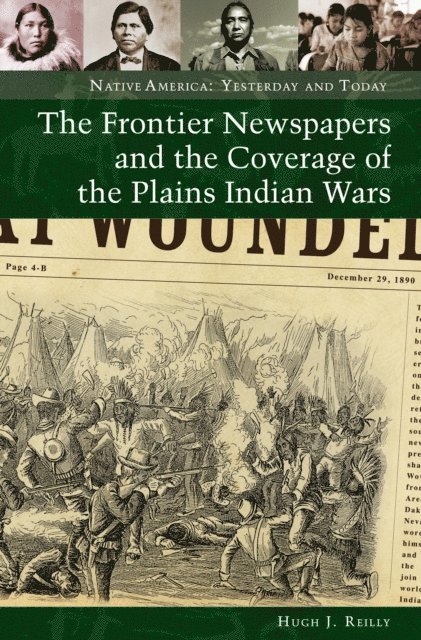
This book offers a revealing look at how newspapers covered the key events of the Plains Indian Wars between 1862-1891—reporting that offers some surprising viewpoints as well as biases and misrepresentations.The Frontier Newspapers and the Coverage of the Plains Indian Wars takes readers back to the late 19th century to show how newspaper reporting impacted attitudes toward the conflict between the United States and Native Americans.Emphasizing primary sources and eyewitness accounts, the book focuses on eight watershed events between 1862 and 1891—the Great Sioux Uprising in Minnesota, the Sand Creek Massacre, the Fort Laramie Treaty of 1868, the Battle of the Little Big Horn, the Flight of the Nez Perce, the Cheyenne Outbreak, the Trial of Standing Bear, and the Massacre at Wounded Knee in 1890 and its aftermath. Each chapter examines an individual event, analyzing the balance and accuracy of the newspaper coverage and how the reporting of the time reinforced stereotypes about Native Americans.Includes historical photos of prominent Native Americans and a scene of the aftermath of the Wounded Knee MassacrePresents an extensive bibliography of books, articles, and a list of frontier newspapers that served as primary source material
E-bok
PDF, Engelska, 2010902 kr
Läs direkt efter köp
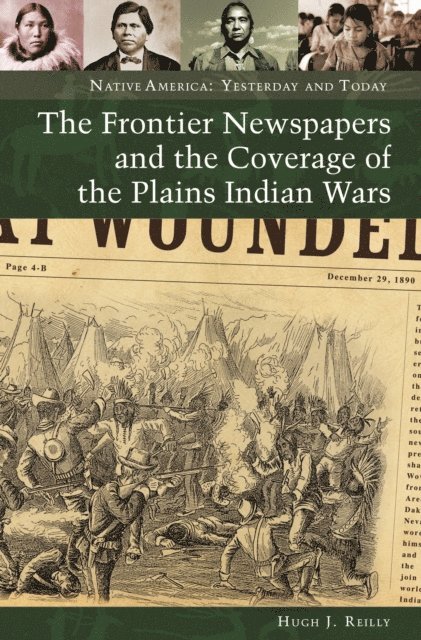
This book offers a revealing look at how newspapers covered the key events of the Plains Indian Wars between 1862-1891—reporting that offers some surprising viewpoints as well as biases and misrepresentations.The Frontier Newspapers and the Coverage of the Plains Indian Wars takes readers back to the late 19th century to show how newspaper reporting impacted attitudes toward the conflict between the United States and Native Americans.Emphasizing primary sources and eyewitness accounts, the book focuses on eight watershed events between 1862 and 1891—the Great Sioux Uprising in Minnesota, the Sand Creek Massacre, the Fort Laramie Treaty of 1868, the Battle of the Little Big Horn, the Flight of the Nez Perce, the Cheyenne Outbreak, the Trial of Standing Bear, and the Massacre at Wounded Knee in 1890 and its aftermath. Each chapter examines an individual event, analyzing the balance and accuracy of the newspaper coverage and how the reporting of the time reinforced stereotypes about Native Americans.
Häftad, Engelska, 2011
174 kr
Skickas inom 10-15 vardagar
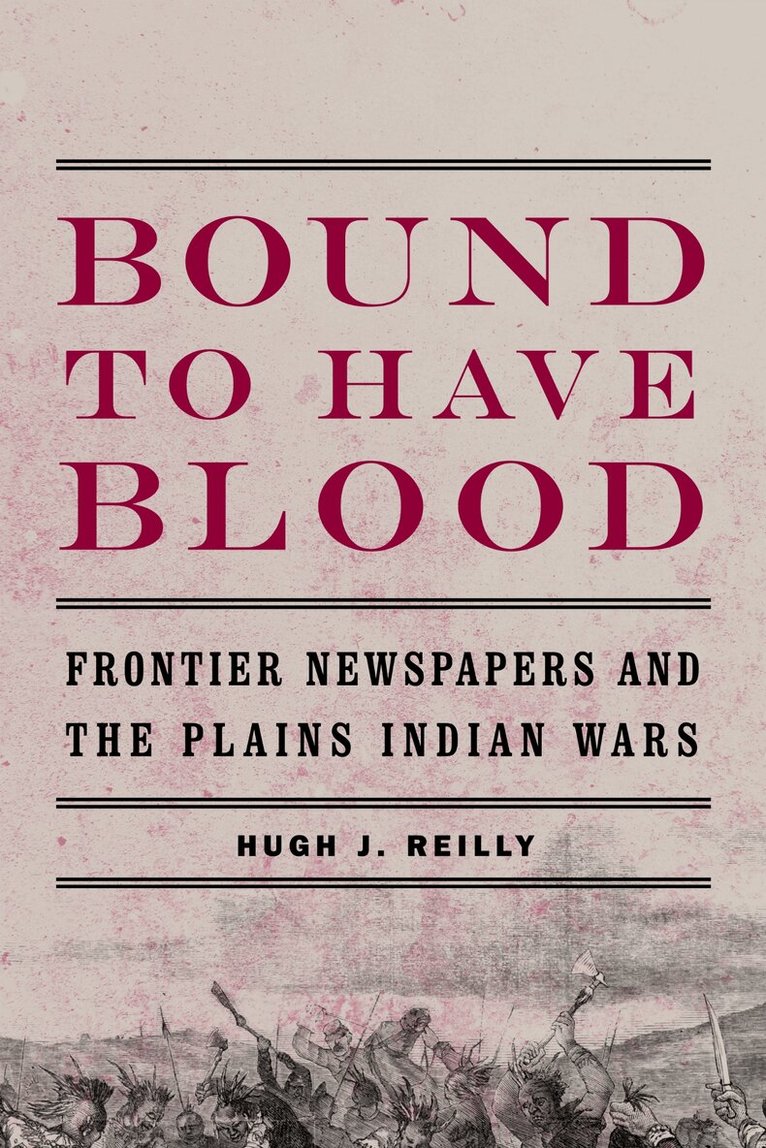
The Plains Indian Wars were always front-page news in frontier newspapers, and it was to such local newspapers that the public invariably turned for information about the fighting. The vivid, colorful accounts there captivated the nation—and in hindsight reveal much about the attitudes and prejudices of the public and the press.Bound to Have Blood takes readers back to the late nineteenth century to show how newspaper reporting influenced attitudes about the conflict between the United States and Native Americans. Emphasizing primary sources and eyewitness accounts, Bound to Have Blood focuses on eight watershed events between 1862 and 1891: the Great Sioux Uprising in Minnesota, the Sand Creek massacre, the Fort Laramie Treaty of 1868, the Battle of the Little Big Horn, the flight of the Nez Perce, the Cheyenne outbreak, the trial of Standing Bear, and the massacre at Wounded Knee in 1890 and its aftermath. Each chapter examines an individual event, analyzing the balance and accuracy of the newspaper coverage and how the reporting of the time reinforced stereotypes about Native Americans.
E-bok
Engelska, 2010902 kr
Läs direkt efter köp
This book offers a revealing look at how newspapers covered the key events of the Plains Indian Wars between 1862-1891—reporting that offers some surprising viewpoints as well as biases and misrepresentations.The Frontier Newspapers and the Coverage of the Plains Indian Wars takes readers back to the late 19th century to show how newspaper reporting impacted attitudes toward the conflict between the United States and Native Americans.Emphasizing primary sources and eyewitness accounts, the book focuses on eight watershed events between 1862 and 1891—the Great Sioux Uprising in Minnesota, the Sand Creek Massacre, the Fort Laramie Treaty of 1868, the Battle of the Little Big Horn, the Flight of the Nez Perce, the Cheyenne Outbreak, the Trial of Standing Bear, and the Massacre at Wounded Knee in 1890 and its aftermath. Each chapter examines an individual event, analyzing the balance and accuracy of the newspaper coverage and how the reporting of the time reinforced stereotypes about Native Americans.