Hugo Radice – författare
Visar alla böcker från författaren Hugo Radice. Handla med fri frakt och snabb leverans.
10 produkter
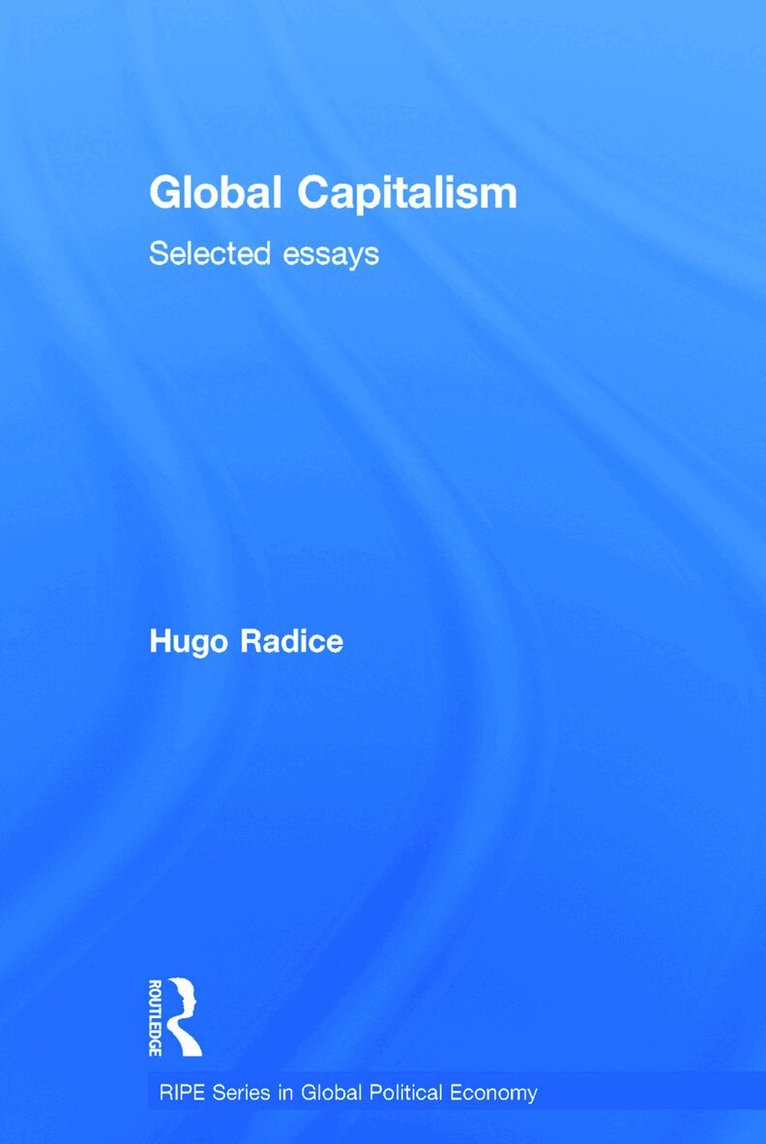
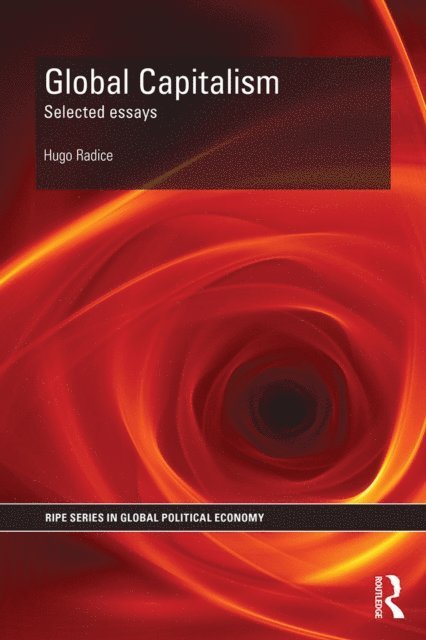
Global Capitalism
Selected Essays
Av Hugo Radice
Inbunden, 2014
2585 kr
Lägg i varukorg
The essays in this volume were published across the 1984-2011 period, and range across a variety of topics and approaches to investigate the changing nature of global capitalism as a social order. As such, they are a valuable and instructive account of the evolution of global capitalism and of the …
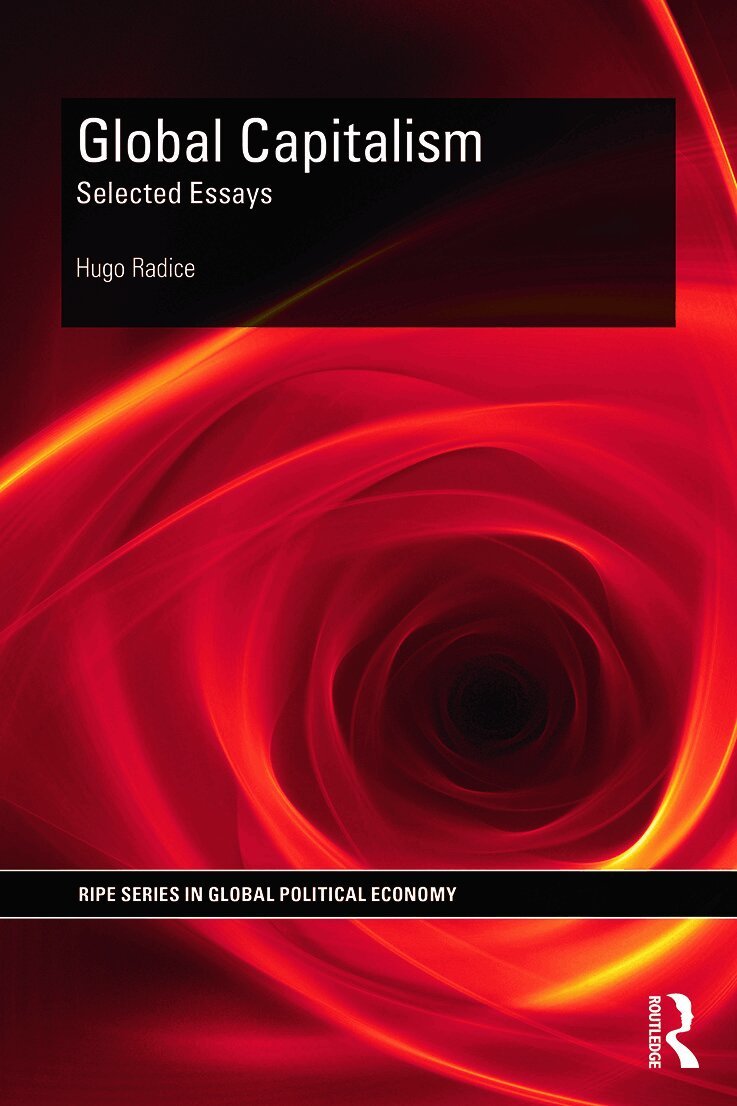
Global Capitalism
Selected Essays
Av Hugo Radice
Häftad, 2014
909 kr
Lägg i varukorg
The essays in this volume were published across the 1984-2011 period, and range across a variety of topics and approaches to investigate the changing nature of global capitalism as a social order. As such, they are a valuable and instructive account of the evolution of global capitalism and of the …
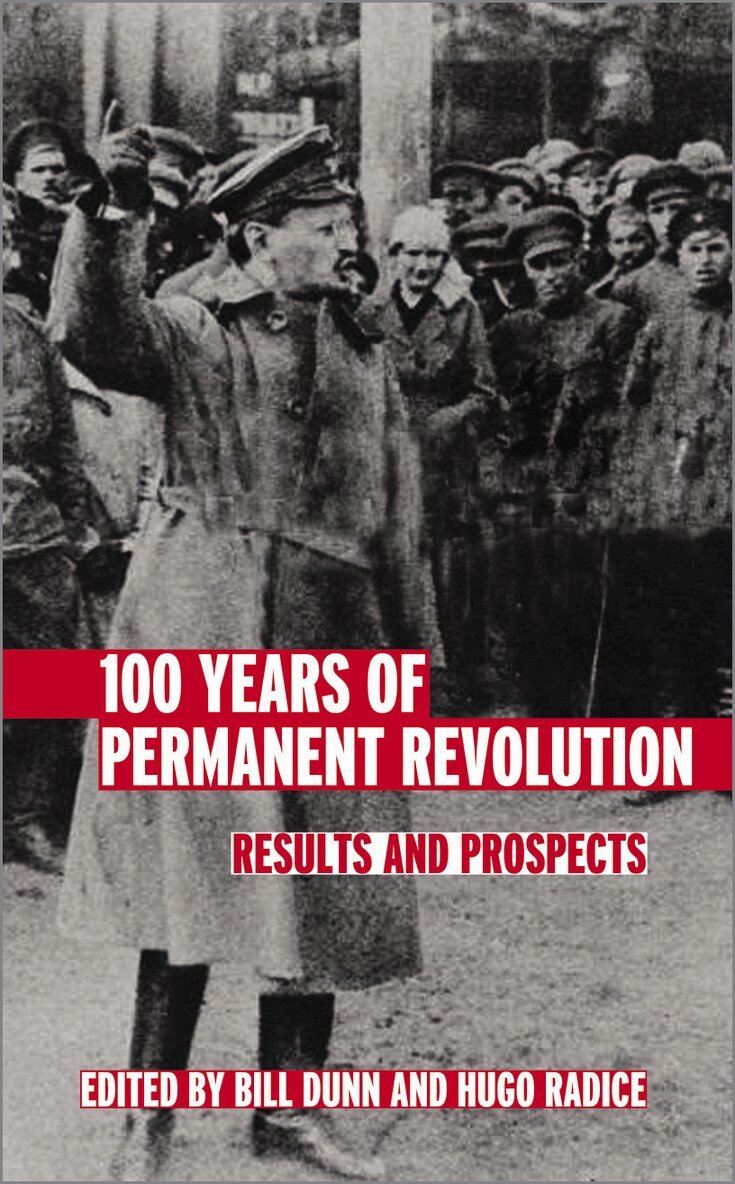
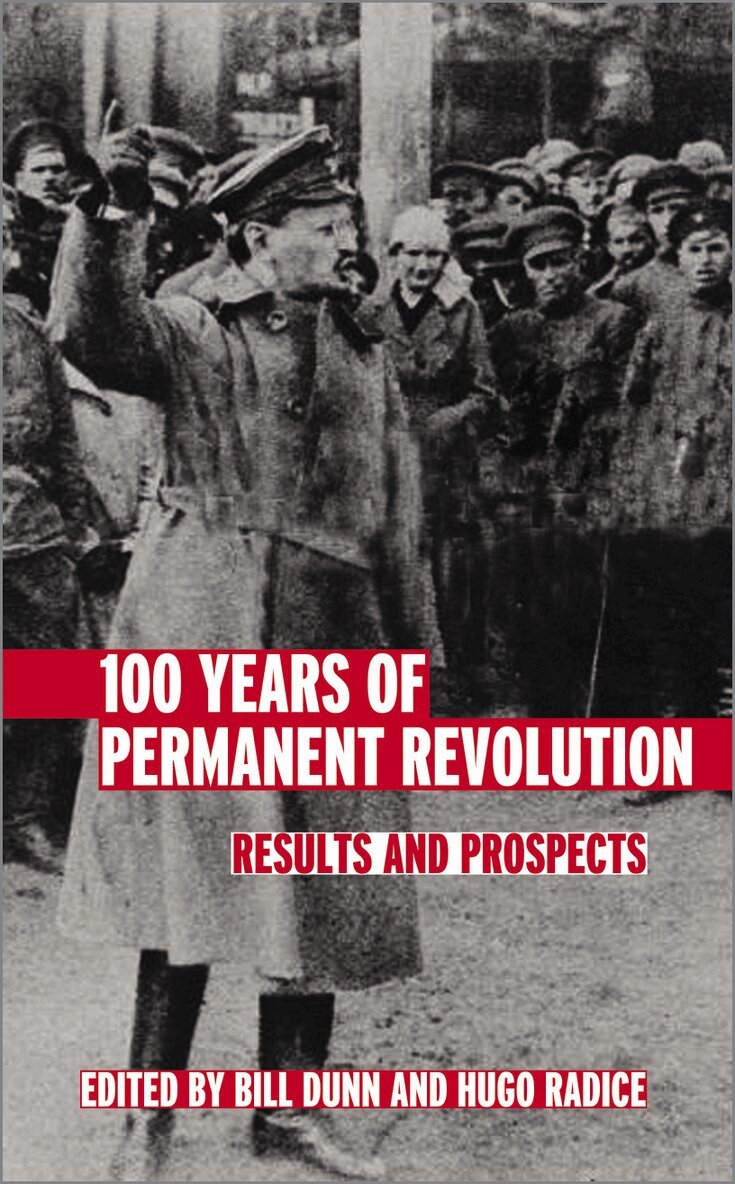
100 Years of Permanent Revolution
Results and Prospects
Av Bill Dunn, Hugo Radice
Häftad, 2006
366 kr
Lägg i varukorg
One hundred years on from their first appearance in Leon Trotsky's Results and Prospects, this is a critical re-evaluation of two key Marxist theories: uneven and combined development, and permanent revolution. It brings together a formidable array of Marxist intellectuals from across the world …
European Union After the Crisis
Av Hugo Radice
Häftad, 2017
560 kr
Lägg i varukorg
The global financial and economic crisis struck the European Union and its member states with particular force from 2009 onwards. The immediate problem was the knock-on effects of the crisis on each country’s public finances. Bank bail-outs imposed a massive increase in sovereign debt on member …
European Union After the Crisis
Av Hugo Radice
Inbunden, 2015
1520 kr
Lägg i varukorg
The global financial and economic crisis struck the European Union and its member states with particular force from 2009 onwards. The immediate problem was the knock-on effects of the crisis on each country’s public finances. Bank bail-outs imposed a massive increase in sovereign debt on member …
European Union After the Crisis
Av Hugo Radice
E-bok, 2017
658 kr
Lägg i varukorg
The global financial and economic crisis struck the European Union and its member states with particular force from 2009 onwards. The immediate problem was the knock-on effects of the crisis on each country’s public finances. Bank bail-outs imposed a massive increase in sovereign debt on member …
European Union After the Crisis
Av Hugo Radice
E-bok, 2017
658 kr
Lägg i varukorg
The global financial and economic crisis struck the European Union and its member states with particular force from 2009 onwards. The immediate problem was the knock-on effects of the crisis on each country’s public finances. Bank bail-outs imposed a massive increase in sovereign debt on member …
Global Capitalism
Selected Essays
Av Hugo Radice
E-bok, 2014
1074 kr
Lägg i varukorg
The essays in this volume were published across the 1984-2011 period, and range across a variety of topics and approaches to investigate the changing nature of global capitalism as a social order. As such, they are a valuable and instructive account of the evolution of global capitalism and of the …
Global Capitalism
Selected Essays
Av Hugo Radice
E-bok, 2014
1051 kr
Lägg i varukorg
The essays in this volume were published across the 1984-2011 period, and range across a variety of topics and approaches to investigate the changing nature of global capitalism as a social order. As such, they are a valuable and instructive account of the evolution of global capitalism and of the …
100 Years of Permanent Revolution
Results and Prospects
Av Hugo Radice, Bill Dunn m. fl.
Inbunden, 2006
966 kr
Tillfälligt slut
One hundred years on from their first appearance in Leon Trotsky's Results and Prospects, this is a critical re-evaluation of two key Marxist theories: uneven and combined development, and permanent revolution. It brings together a formidable array of Marxist intellectuals from across the world …