Hung Y. Fan – författare
Visar alla böcker från författaren Hung Y. Fan. Handla med fri frakt och snabb leverans.
4 produkter
4 produkter
Häftad, Engelska, 2013
1 128 kr
Skickas inom 11-20 vardagar
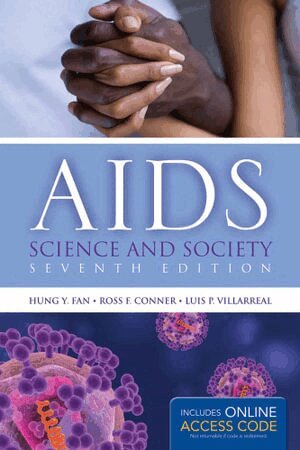
Updated throughout with the latest findings on the AIDS virus, the Seventh Edition provides readers with the most current information available on the biology of the virus and the impact it has on society. The Seventh Edition of this best-selling text provides readers with a solid overview of AIDS from both a biomedical and a psychosocial perspective. The authors cover the molecular and cellular aspects of the virus and the immune system's response to it, and examine epidemiology and its role in understanding HIV and AIDS. The use of understandable vocabulary and clear illustrations, along with updated biomedical data and the most current statistics on AIDS available, makes AIDS: Science and Society an engaging resource for students, researchers, and general readers. Key Features: -Revised data throughout on the immune system and its response to new antigens.-New content on the mutation and evolution of HIV during infection-The latest data on research towards a cure and the treatment of infected individuals-Includes current epidemiological data throughout
Inbunden, Engelska, 2002
1 082 kr
Skickas inom 10-15 vardagar
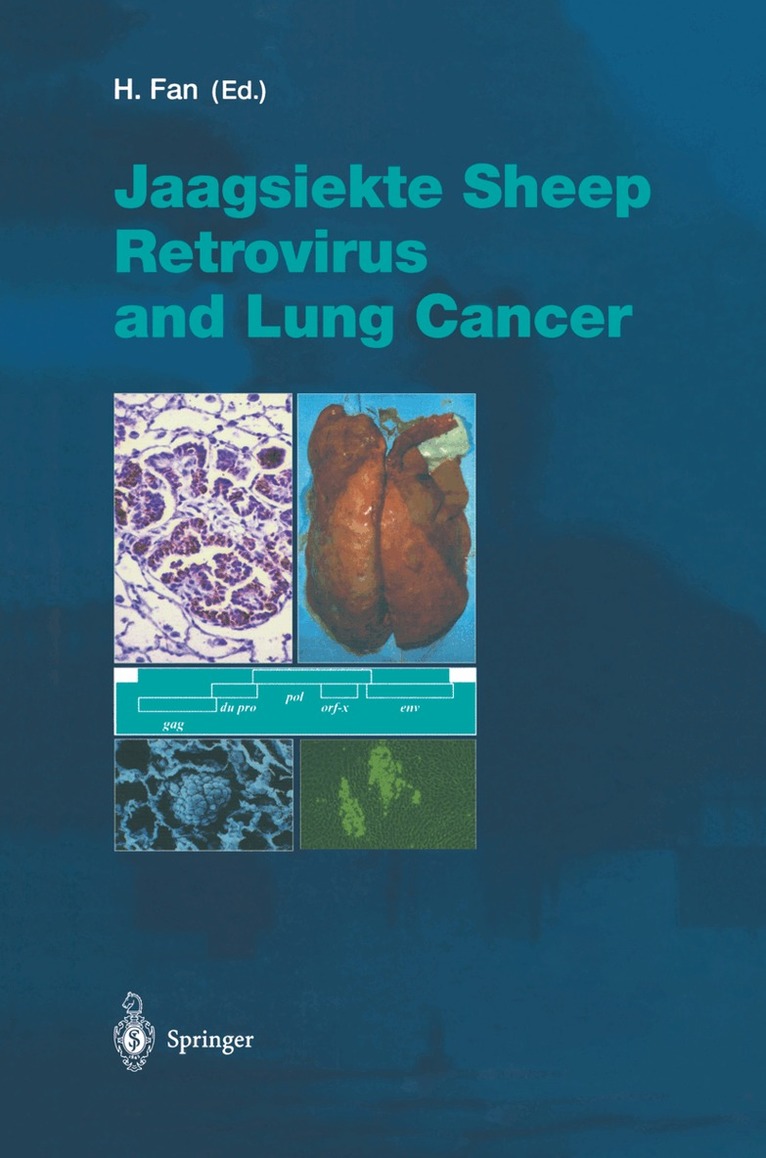
Retroviruses have been of great importance to biomedical science for the past half century. Initially, studies on oncogenic animal retroviruses provided important insights into molecular processes in carcinogenesis - most notably the existence and mechanisms of action of oncogenes and proto-oncogenes. Moreover, several human diseases are caused by retroviruses, including AIDS, adult T-cell leukemia and the neurological disease HAM/TSP. The topic of this volume is a relatively unknown animal retrovirus, jaagsiekte sheep retrovirus, the causative agent of transmissible lung cancer in sheep ?ovine pulmonary adenocarcinoma. The disease was first documented in South Africa in the 1800s, it has a wide geographical distribution, and it is of economic importance in high endemic regions. However, until very recently the nature of the etiologic agent was unclear, and relatively few laboratories actively studied the disease.
E-bok
PDF, Engelska, 20121 367 kr
Läs direkt efter köp
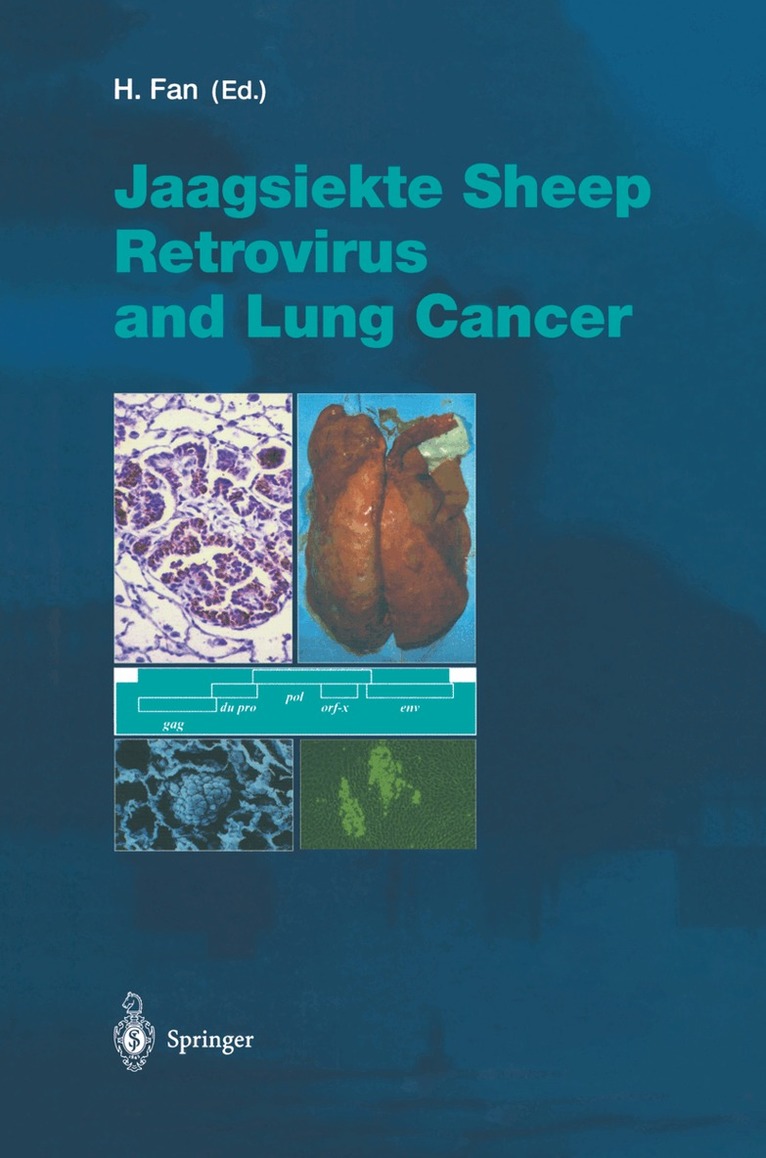
Retroviruses have been of great importance to biomedical science for the past half century. Initially, studies on oncogenic animal retroviruses provided important insights into molecular processes in carcinogenesis – most notably the existence and mechanisms of action of oncogenes and proto-oncogenes. Moreover, several human diseases are caused by retroviruses, including AIDS, adult T-cell leukemia and the neurological disease HAM/TSP. The topic of this volume is a relatively unknown animal retrovirus, jaagsiekte sheep retrovirus, the causative agent of transmissible lung cancer in sheep –ovine pulmonary adenocarcinoma. The disease was first documented in South Africa in the 1800s, it has a wide geographical distribution, and it is of economic importance in high endemic regions. However, until very recently the nature of the etiologic agent was unclear, and relatively few laboratories actively studied the disease.
Häftad, Engelska, 2013
1 114 kr
Skickas inom 10-15 vardagar
Retroviruses have been of great importance to biomedical science for the past half century. Initially, studies on oncogenic animal retroviruses provided important insights into molecular processes in carcinogenesis – most notably the existence and mechanisms of action of oncogenes and proto-oncogenes. Moreover, several human diseases are caused by retroviruses, including AIDS, adult T-cell leukemia and the neurological disease HAM/TSP. The topic of this volume is a relatively unknown animal retrovirus, jaagsiekte sheep retrovirus, the causative agent of transmissible lung cancer in sheep –ovine pulmonary adenocarcinoma. The disease was first documented in South Africa in the 1800s, it has a wide geographical distribution, and it is of economic importance in high endemic regions. However, until very recently the nature of the etiologic agent was unclear, and relatively few laboratories actively studied the disease.