Hung-yok Ip – författare
Visar alla böcker från författaren Hung-yok Ip. Handla med fri frakt och snabb leverans.
6 produkter
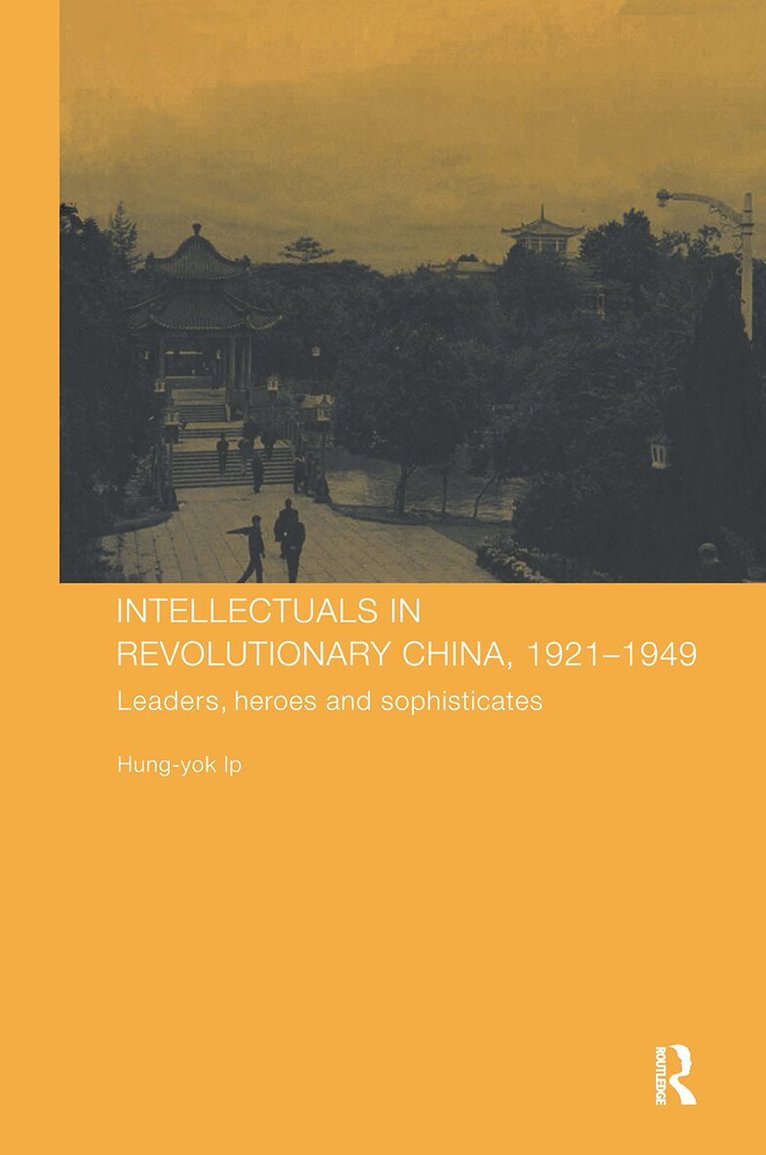
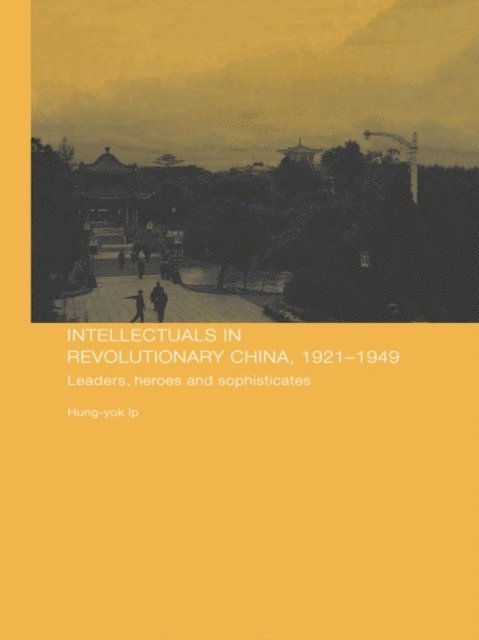
Intellectuals in Revolutionary China, 1921-1949
Leaders, Heroes and Sophisticates
Av Hung-yok Ip
Inbunden, 2005
787 kr
Lägg i varukorg
This book originally examines how prominent communist intellectuals in China during the revolutionary period (1921 to 1940) constructed and presented identities for themselves and how they narrated their place in the revolution.
Intellectuals in Revolutionary China, 1921-1949
Leaders, Heroes and Sophisticates
Av Hung-yok Ip
Häftad, 2009
382 kr
Lägg i varukorg
This book originally examines how prominent communist intellectuals in China during the revolutionary period (1921 to 1940) constructed and presented identities for themselves and how they narrated their place in the revolution.
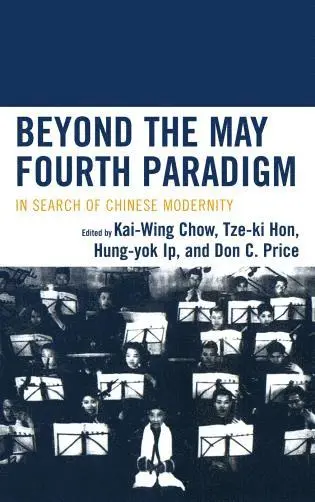
Beyond the May Fourth Paradigm
In Search of Chinese Modernity
Av Kai-wing Chow, Tze-ki Hon m. fl.
Inbunden, 2008
1753 kr
Lägg i varukorg
When did China make the decisive turn from tradition to modernity? For decades, the received wisdom would have pointed to the May Fourth movement, with its titanic battles between the champions of iconoclasm and the traditionalists, and its shift to more populist forms of politics. A growing body …
Intellectuals in Revolutionary China, 1921-1949
Leaders, Heroes and Sophisticates
Av Hung-yok Ip
E-bok, 2004
436 kr
Lägg i varukorg
This book originally examines how prominent communist intellectuals in China during the revolutionary period (1921 to 1940) constructed and presented identities for themselves and how they narrated their place in the revolution.
Intellectuals in Revolutionary China, 1921-1949
Leaders, Heroes and Sophisticates
Av Hung-yok Ip
E-bok, 2004
433 kr
Lägg i varukorg
This book originally examines how prominent communist intellectuals in China during the revolutionary period (1921 to 1940) constructed and presented identities for themselves and how they narrated their place in the revolution.
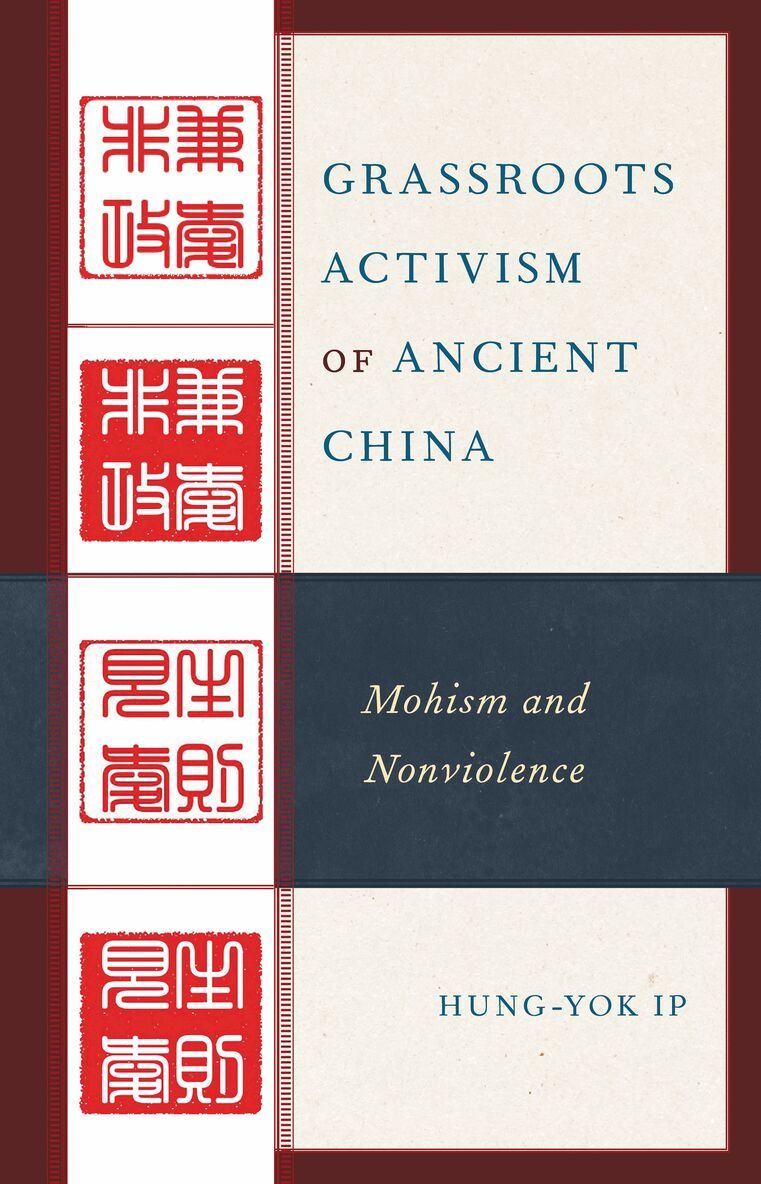
Grassroots Activism of Ancient China
Mohism and Nonviolence
Av Hung-yok Ip
Inbunden, 2022
1313 kr
Lägg i varukorg
This book examines Mohism as a movement in early China, focusing on the Mohists’ pursuit of power. Fashioning themselves as grassroots activists, the Mohists hoped to impact the elite by gaining entry in its community and influencing it from within. To create a less violent world, they deployed …