Hunter Brown – författare
Visar alla böcker från författaren Hunter Brown. Handla med fri frakt och snabb leverans.
5 produkter
5 produkter
Häftad, Engelska, 2019
382 kr
Skickas inom 10-15 vardagar
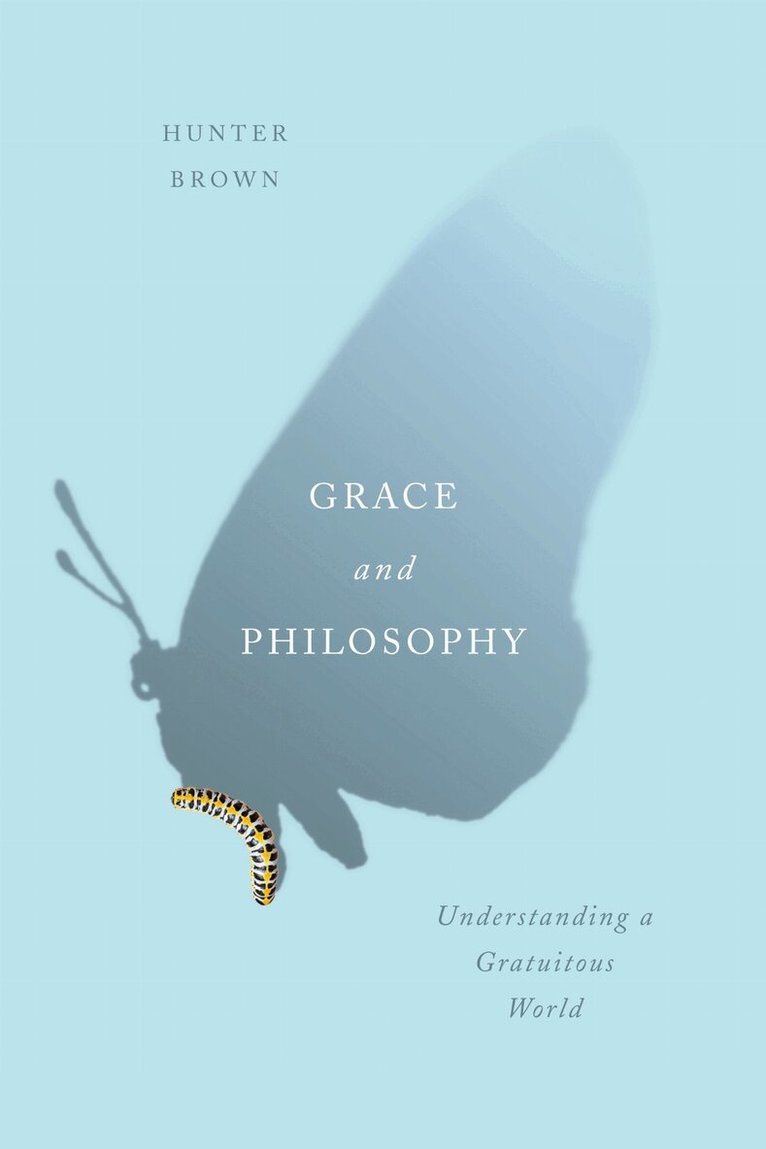
Philosophy has traditionally engaged the problem of why there is something rather than nothing as a normal causal question. Such an approach, Hunter Brown proposes in Grace and Philosophy, does not do justice to the deep wonder and astonishment that the existence of the world elicits so widely among human beings. Such wonder has often been expressed in artistic and literary ways, including especially the language of grace, which captures the striking gratuity of existence and the spontaneous, grateful response so often evoked by it. Since the modern period, however, Brown argues, there has been a questionable narrowing of philosophy that privileges formal reasoning and theory over an engagement of immediate experience. Detached expertise, impersonal scholarship, and preoccupation with data have swept aside simple wonderment about the extraordinary gratuity of existence, and the remarkable ways in which such wonderment has been expressed. Against the grain of such widespread developments Grace and Philosophy proposes a perspective that maintains a place of importance in philosophy for such wonder and for the many forms in which it has manifested itself.
E-bok
PDF, Engelska, 2019333 kr
Läs direkt efter köp
Philosophy has traditionally engaged the problem of why there is something rather than nothing as a normal causal question. Such an approach, Hunter Brown proposes in Grace and Philosophy, does not do justice to the deep wonder and astonishment that the existence of the world elicits so widely among human beings. Such wonder has often been expressed in artistic and literary ways, including especially the language of grace, which captures the striking gratuity of existence and the spontaneous, grateful response so often evoked by it. Since the modern period, however, Brown argues, there has been a questionable narrowing of philosophy that privileges formal reasoning and theory over an engagement of immediate experience. Detached expertise, impersonal scholarship, and preoccupation with data have swept aside simple wonderment about the extraordinary gratuity of existence, and the remarkable ways in which such wonderment has been expressed. Against the grain of such widespread developments Grace and Philosophy proposes a perspective that maintains a place of importance in philosophy for such wonder and for the many forms in which it has manifested itself.
E-bok
Engelska, 2019333 kr
Läs direkt efter köp
Philosophy has traditionally engaged the problem of why there is something rather than nothing as a normal causal question. Such an approach, Hunter Brown proposes in Grace and Philosophy, does not do justice to the deep wonder and astonishment that the existence of the world elicits so widely among human beings. Such wonder has often been expressed in artistic and literary ways, including especially the language of grace, which captures the striking gratuity of existence and the spontaneous, grateful response so often evoked by it. Since the modern period, however, Brown argues, there has been a questionable narrowing of philosophy that privileges formal reasoning and theory over an engagement of immediate experience. Detached expertise, impersonal scholarship, and preoccupation with data have swept aside simple wonderment about the extraordinary gratuity of existence, and the remarkable ways in which such wonderment has been expressed. Against the grain of such widespread developments Grace and Philosophy proposes a perspective that maintains a place of importance in philosophy for such wonder and for the many forms in which it has manifested itself.

Häftad, Engelska, 2000
341 kr
Skickas inom 10-15 vardagar
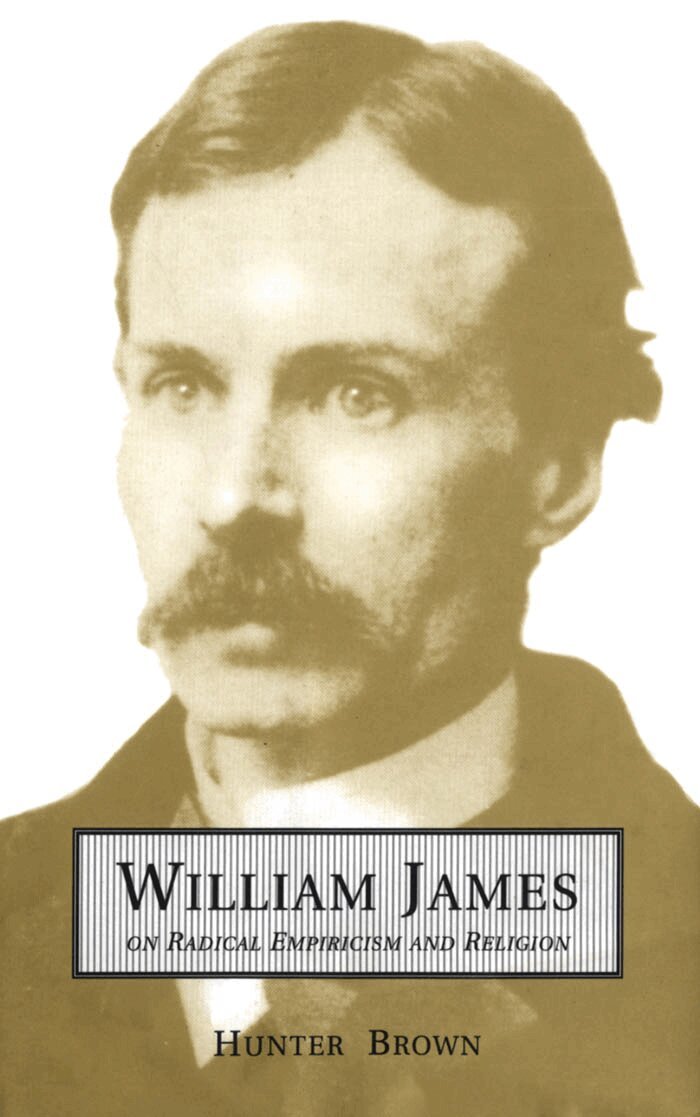
A century after the appearance of his famous works on religion, William James's philosophy of religion is still the subject of lively debate. James's numerous opponents have repeatedly charged him with abdication of intellectual responsibility, arguing that he advocated the adoption of religious belief without conclusive evidence on its behalf. In this book Hunter Brown shows that critics have consistently distorted James's view in the process of arriving at such charges.The central argument presented here is that critics have failed to look at James's philosophical vision as a whole. This failure is addressed by Brown as he locates James's thought on religion within the wider scope of Radical Empiricism's analyses of experience in general, and subject-object relations in particular. Brown presents the main interpretations and critiques of James's work, and shows that James's views of religious experience, evil and power, human responsibility, and ethical concerns do not in fact lapse into subjectivism and fideism.This penetrating study not only builds upon a long tradition of James scholarship but pushes through to new levels of inquiry and insight. It is a major work that will generate renewed discussion of James's thought along with the approaches and concerns emerging from it.
E-bok
PDF, Engelska, 2000776 kr
Läs direkt efter köp
A century after the appearance of his famous works on religion, William James's philosophy of religion is still the subject of lively debate. James's numerous opponents have repeatedly charged him with abdication of intellectual responsibility, arguing that he advocated the adoption of religious belief without conclusive evidence on its behalf. In this book Hunter Brown shows that critics have consistently distorted James's view in the process of arriving at such charges.The central argument presented here is that critics have failed to look at James's philosophical vision as a whole. This failure is addressed by Brown as he locates James's thought on religion within the wider scope of Radical Empiricism's analyses of experience in general, and subject-object relations in particular. Brown presents the main interpretations and critiques of James's work, and shows that James's views of religious experience, evil and power, human responsibility, and ethical concerns do not in fact lapse into subjectivism and fideism.This penetrating study not only builds upon a long tradition of James scholarship but pushes through to new levels of inquiry and insight. It is a major work that will generate renewed discussion of James's thought along with the approaches and concerns emerging from it.