Hussein Ali Abdulsater - Böcker
Visar alla böcker från författaren Hussein Ali Abdulsater. Handla med fri frakt och snabb leverans.
4 produkter
4 produkter
1 169 kr
Skickas
While it may seem paradoxical to combine trust in rational religion with distrust of human reason, this is exactly what a group of understudied Muslim theologians proposed. Known as the Epistemists, they pushed for an inclusive epistemology that broadened the scope of knowledge. They argued that humans can acquire rational knowledge without discursive arguments, through an unconscious process of social exposure. In this, the Epistemists presented a radical alternative to other Islamic conceptions of rationalism, with immense promise for modern contexts. This book reconstructs a worldview prominent among the Epistemists, and explores how it correlates with their rise and fall as a theological trend. It examines the intellectual project of their premier advocate, al-J??i? (d. 868-9), offering a systematic reading of his oeuvre as an Epistemist, and situates it in the formative ?Abbasid moment of Islamic history.
297 kr
Kommande
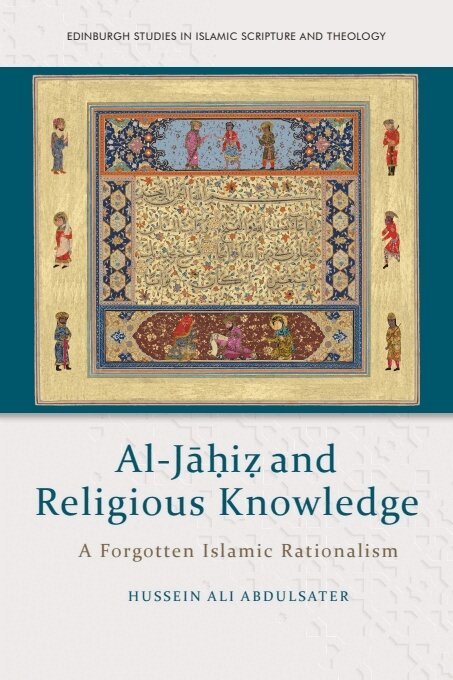
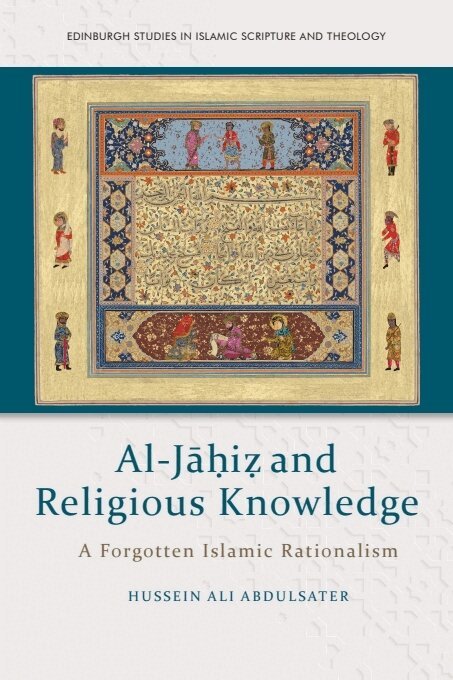
While it may seem paradoxical to combine trust in rational religion with distrust of human reason, this is exactly what a group of understudied Muslim theologians proposed. Known as the Epistemists, they pushed for an inclusive epistemology that broadened the scope of knowledge. They argued that humans can acquire rational knowledge without discursive arguments, through an unconscious process of social exposure. In this, the Epistemists presented a radical alternative to other Islamic conceptions of rationalism, with immense promise for modern contexts. This book reconstructs a worldview prominent among the Epistemists, and explores how it correlates with their rise and fall as a theological trend. It examines the intellectual project of their premier advocate, al-Jāḥiẓ (d. 868-9), offering a systematic reading of his oeuvre as an Epistemist, and situates it in the formative ʿAbbasid moment of Islamic history.
1 886 kr
Skickas inom 3-6 vardagar
God is not free to act; He is bound by human ethics. To be just, He must create an individual of perfect intellect and infallible morality. People are obligated to submit to this person; otherwise eternal damnation awaits them.While these claims may be interpreted as an affront to God’s power, an insult to human judgment and a justification for despotism, Shiʿi Muslims in the eleventh century eagerly adopted them in their attempts to forge a ‘rational’ religious discourse. They utilized everything from literary studies and political theory to natural philosophy and metaphysical speculation in support of this project. This book presents the contribution of al-Sharīf al-Murtaḍā (d. 1044) of Baghdad, the thinker most responsible for this irreversible change, which remains central to Imami identity. It analyzes his intellectual project and establishes the dynamic context which prompted him to pour the old wine of Shiʿi doctrine into the new wineskin of systematic Muʿtazili theology.
552 kr
Skickas inom 3-6 vardagar
God is not free to act; He is bound by human ethics. To be just, He must create an individual of perfect intellect and infallible morality. People are obligated to submit to this person; otherwise eternal damnation awaits them.While these claims may be interpreted as an affront to God’s power, an insult to human judgment and a justification for despotism, Shiʿi Muslims in the eleventh century eagerly adopted them in their attempts to forge a ‘rational’ religious discourse. They utilized everything from literary studies and political theory to natural philosophy and metaphysical speculation in support of this project. This book presents the contribution of al-Sharīf al-Murtaḍā (d. 1044) of Baghdad, the thinker most responsible for this irreversible change, which remains central to Imami identity. It analyzes his intellectual project and establishes the dynamic context which prompted him to pour the old wine of Shiʿi doctrine into the new wineskin of systematic Muʿtazili theology.