I. G. Simmons – Författare
Visar alla böcker från författaren I. G. Simmons. Handla med fri frakt och snabb leverans.
5 produkter
5 produkter
1 366 kr
Skickas inom 10-15 vardagar
Originally published in 1982, Biogeographical Processes is a concise introduction to biogeography aimed at undergraduate students. It provides a detailed overview of man and his environment and includes data from such research projects as that of the International Biological Programme. The book argues that natural processes can be viewed as a datum line to which the human impact through time is added. It suggests that through this datum line, the man and the biological environment are inextricably linked. The book firstly examines the fundamental processes determining the distribution of plants and animals, and the interactions between such processes leading to the concept of the ecosystem. The book also examines major world ecosystems, or biomes, such as forests, grasslands and oceans as if they were in a natural condition and discusses the affect of human impact upon such systems. The book also discusses the alternative future relationships of man and other living organisms. Although over 30 years old, the book still contains a useful and detailed overview of biogeography. It will be of interest to students or lecturers in ecology, biology and the environmental sciences.
482 kr
Skickas inom 10-15 vardagar
Originally published in 1982, Biogeographical Processes is a concise introduction to biogeography aimed at undergraduate students. It provides a detailed overview of man and his environment and includes data from such research projects as that of the International Biological Programme. The book argues that natural processes can be viewed as a datum line to which the human impact through time is added. It suggests that through this datum line, the man and the biological environment are inextricably linked. The book firstly examines the fundamental processes determining the distribution of plants and animals, and the interactions between such processes leading to the concept of the ecosystem. The book also examines major world ecosystems, or biomes, such as forests, grasslands and oceans as if they were in a natural condition and discusses the affect of human impact upon such systems. The book also discusses the alternative future relationships of man and other living organisms. Although over 30 years old, the book still contains a useful and detailed overview of biogeography. It will be of interest to students or lecturers in ecology, biology and the environmental sciences.
822 kr
Skickas inom 10-15 vardagar
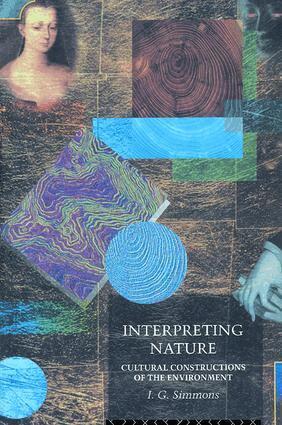
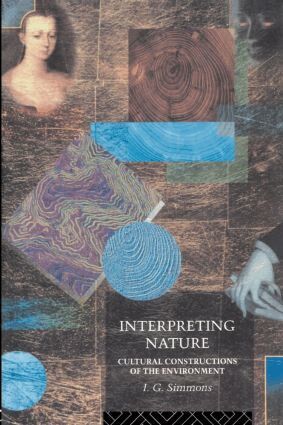
Human society has constructed many varied notions of the environment. Scientific information about the environment is often seen as the only worthwhile knowledge. This ignores the complexities created by interaction between people and the environment. Idealist thinking argues that everything we know is based on a construct of our minds and that all is possible. Can both be correct and true? Interpreting Nature explores the position of humanity in the environment from the principle that the models we construct are imperfect and can only be provisional. Having examined the way in which the natural sciences have interrogated nature, the types of data produced and what they mean to us, this looks at the environment within philosophy and ethics, the social sciences and the arts, and analyses their role in the formation of environmental cognition.
574 kr
Skickas inom 7-10 vardagar
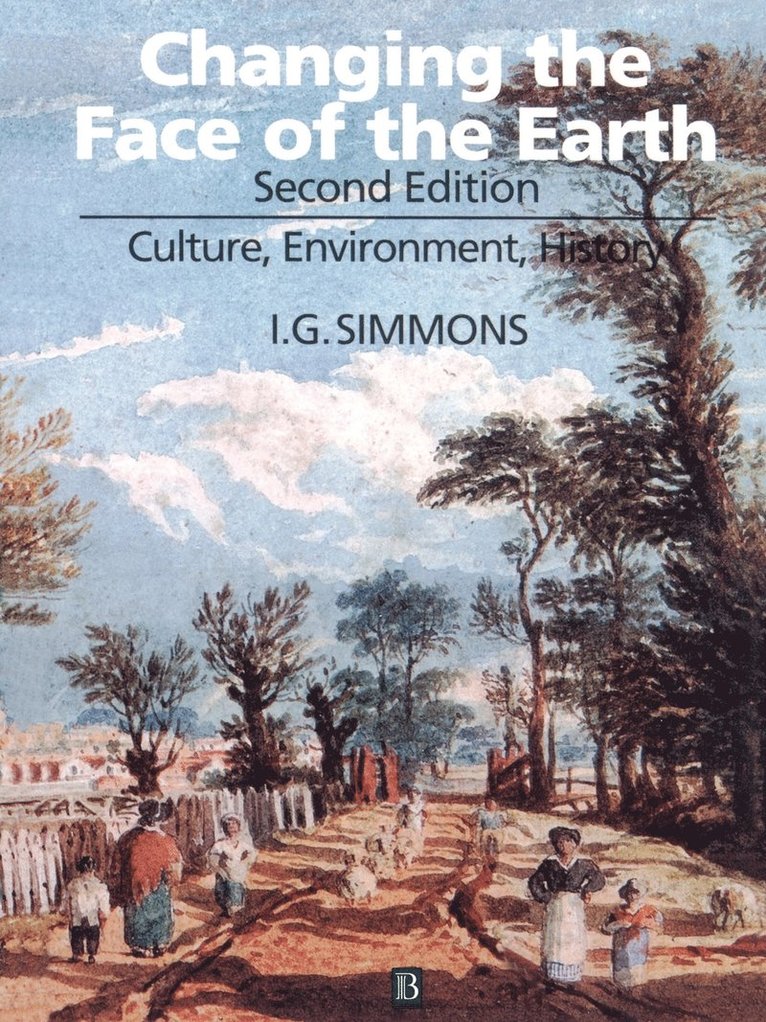
This is a history of the impact of humankind on the natural environment from earliest times to the present. The first edition has been widely adopted in universities, acclaimed both for its wide scholarship and its author's readable style. The new edition is fully revised throughout and takes account of comments and suggestions received from all over the world. It has been restructured into a form appropriate for new methods of university teaching, the diagrams have been clarified, and references and sections of further reading provided at the end of each chapter. Revised edition of a widely-used textbook.More concise, more chapters, better adapted to course use.Revised further reading.Clearly-written, well-illustrated, popular with students.
2 724 kr
Skickas inom 10-15 vardagar
Human society has constructed many varied notions of the environment. Scientific information about the environment is often seen as the only worthwhile knowledge. This ignores the complexities created by interaction between people and the environment. Idealist thinking argues that everything we know is based on a construct of our minds and that all is possible. Can both be correct and true? Interpreting Nature explores the position of humanity in the environment from the principle that the models we construct are imperfect and can only be provisional. Having examined the way in which the natural sciences have interrogated nature, the types of data produced and what they mean to us, this looks at the environment within philosophy and ethics, the social sciences and the arts, and analyses their role in the formation of environmental cognition.