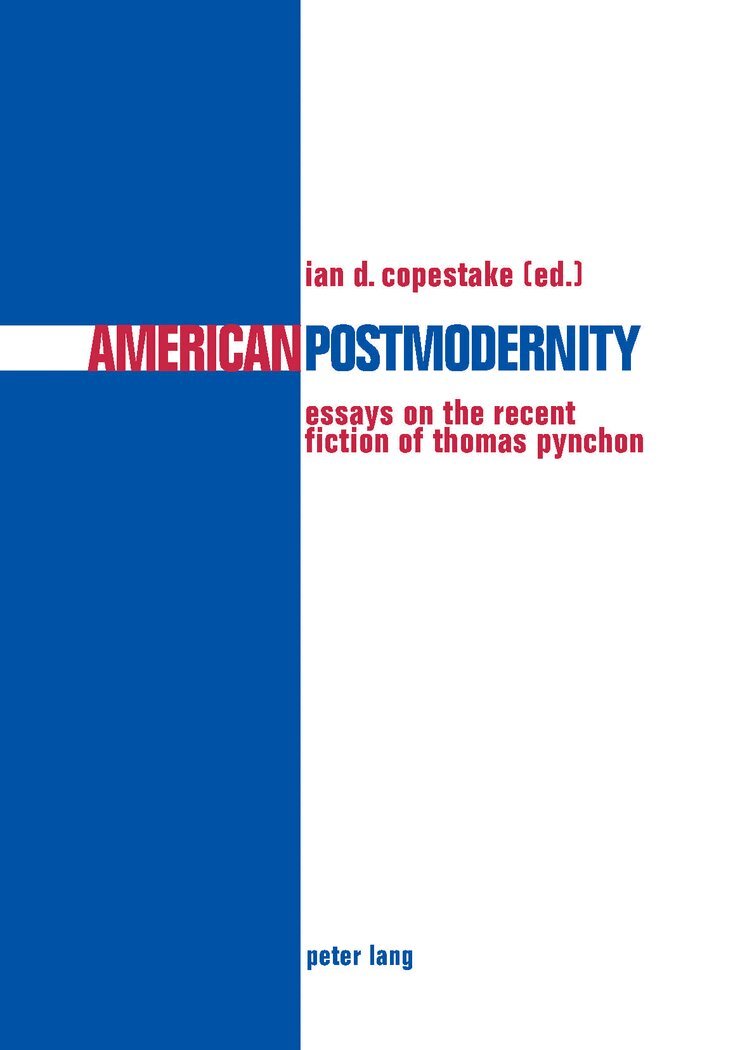
This book brings together nine original essays from Pynchon scholars around the world whose work furthers the debate concerning the nature of perceived shifts in the sensibility, style and subject-matter of Pynchon’s fiction from The Crying of Lot 49 to Mason & Dixon. Of particular concern is the complex relationship between Pynchon’s challenging and evolving œuvre and notions of postmodernity which this volume’s focus on Pynchon’s most recent fiction helps bring up-to-date. Five of the collection’s essays examine the writer’s achievement in Mason & Dixon and were first presented in 1998 as papers at King’s College, London, as part of International Pynchon Week. The volume includes contributions from renowned Pynchon scholars such as David Seed, David Thoreen and Francisco Collado Rodríquez, and offers perspectives on Pynchon’s achievement in The Crying of Lot 49, Vineland and Mason & Dixon which view those works in relation to a fascinating variety of subjects such as hybridity, mapmaking and representation, the work of Marshall McLuhan, American comic traditions, metafiction, madness in American fiction, science and ethics. Reconfirmed throughout is the ethical seriousness of a writer who remains one of American literature’s most fascinating, important and ever elusive figures.
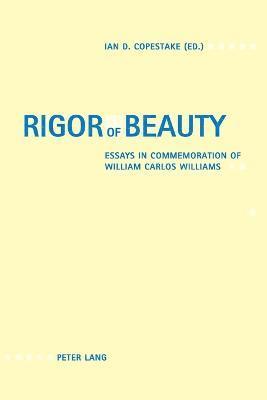
William Carlos Williams is widely acknowledged to be among the most important American poets of the twentieth century. This collection includes sixteen new essays from many of the world’s leading authorities on Williams, and is published to commemorate the fortieth anniversary of his death in 1963.The volume contains fresh assessments of the nature and extent of Williams’s profound and enduring impact on contemporary American poetic traditions, while providing a platform for appraising the neglected achievement of Williams as a writer of fiction and short stories. In doing so these and other essays highlight the nature and importance of Williams’s relationship to working class life in twentieth-century America. Additionally, the volume groups together studies focusing on the enduring legacy of Williams’s long poem, Paterson, and essays which revise Williams’s perceived neglect of African-American and Native-American culture and history.
This book brings together nine original essays from Pynchon scholars around the world whose work furthers the debate concerning the nature of perceived shifts in the sensibility, style and subject-matter of Pynchon’s fiction from The Crying of Lot 49 to Mason & Dixon. Of particular concern is the complex relationship between Pynchon’s challenging and evolving œuvre and notions of postmodernity which this volume’s focus on Pynchon’s most recent fiction helps bring up-to-date. Five of the collection’s essays examine the writer’s achievement in Mason & Dixon and were first presented in 1998 as papers at King’s College, London, as part of International Pynchon Week. The volume includes contributions from renowned Pynchon scholars such as David Seed, David Thoreen and Francisco Collado Rodríquez, and offers perspectives on Pynchon’s achievement in The Crying of Lot 49, Vineland and Mason & Dixon which view those works in relation to a fascinating variety of subjects such as hybridity, mapmaking and representation, the work of Marshall McLuhan, American comic traditions, metafiction, madness in American fiction, science and ethics. Reconfirmed throughout is the ethical seriousness of a writer who remains one of American literature’s most fascinating, important and ever elusive figures.
William Carlos Williams is widely acknowledged to be among the most important American poets of the twentieth century. This collection includes sixteen new essays from many of the world’s leading authorities on Williams, and is published to commemorate the fortieth anniversary of his death in 1963.The volume contains fresh assessments of the nature and extent of Williams’s profound and enduring impact on contemporary American poetic traditions, while providing a platform for appraising the neglected achievement of Williams as a writer of fiction and short stories. In doing so these and other essays highlight the nature and importance of Williams’s relationship to working class life in twentieth-century America. Additionally, the volume groups together studies focusing on the enduring legacy of Williams’s long poem, Paterson, and essays which revise Williams’s perceived neglect of African-American and Native-American culture and history.