Ian Coxhead - Böcker
Visar alla böcker från författaren Ian Coxhead. Handla med fri frakt och snabb leverans.
4 produkter
4 produkter
3 363 kr
Skickas inom 10-15 vardagar
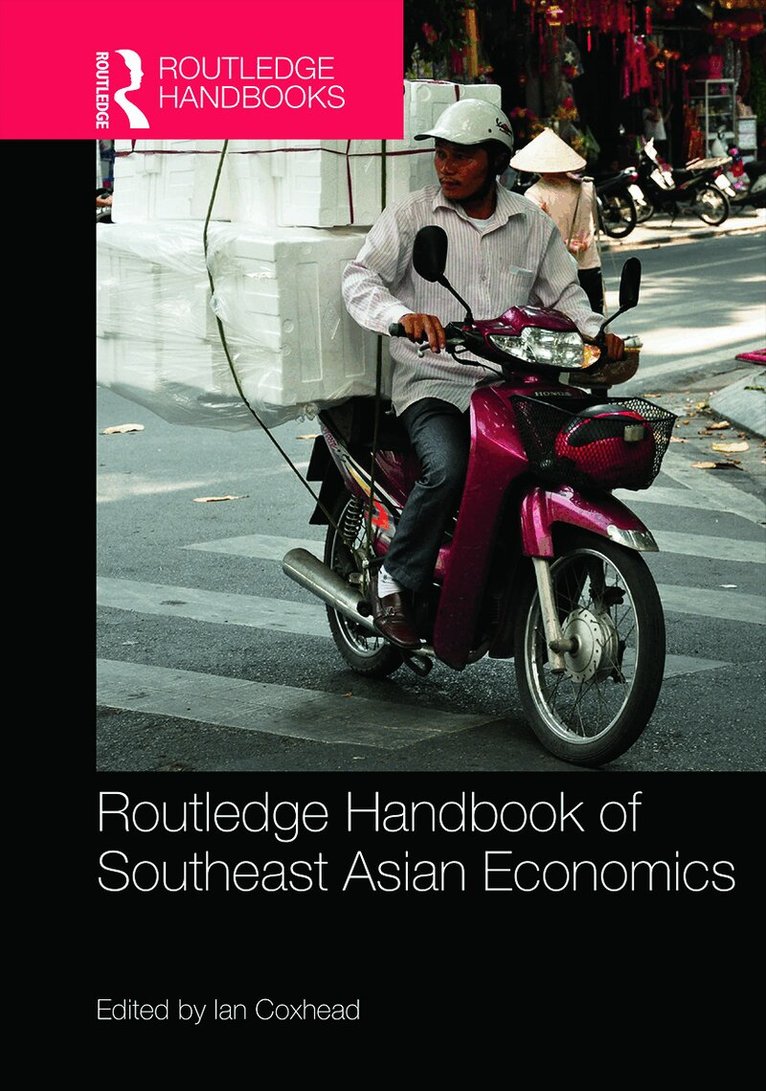
The Routledge Handbook of Southeast Asian Economics offers new insights into the rapidly-developing economies of Southeast Asia. Despite widespread initial deprivation, Southeast Asia has achieved and sustained a remarkable rate of growth, in the course of which tens of millions have successfully escaped severe poverty. Though the economies of the region vary in many dimensions, integration into the wider East Asian network of production and trade is a notable common feature, one that continues a centuries-long history of engagement with global trade. A second striking feature is the pace and extent of transformation in the structure of production and in sources of household income in the region, which has undergone remarkably rapid industrialization and urban growth. However, the search for sustained and sustainable growth through and beyond middle-income continues to confront pressing economic and policy challenges.This Handbook offers a timely and comprehensive overview of Southeast Asian economic development. Organized according to the logic of chronological and thematic unity, it is structured in these sections: Growth and development over the long term Food, agriculture and natural resources Trade, investment and industrialization Population, labor, and human capital Poverty and political economy Twenty-first century challengesThis original Handbook, written by experts in their fields, is unique in the breadth and depth of its coverage. Its forward-looking perspective renders it relevant both now and in the future. This advanced level reference work will be essential reading for students, researchers and scholars of Asian Studies, Economics and Southeast Asian studies.
1 414 kr
Skickas inom 7-10 vardagar
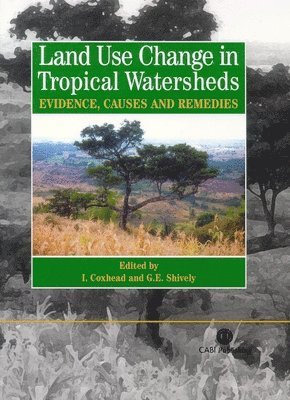
This book studies land use change in tropical landscapes, with particular emphasis on the economic processes that influence rates of land degradation and forest clearing. Multidisciplinary contributions draw lessons from a rich, decade-long collection of economic, social and environmental data on the Manupali upland watershed in the southern Philippines. Through this detailed case study the book documents forces leading to land use changes, in particular the potential impacts of institutional evolution and policy reforms, and highlights interrelationships between biological, economic, and social phenomena.
694 kr
Skickas inom 10-15 vardagar
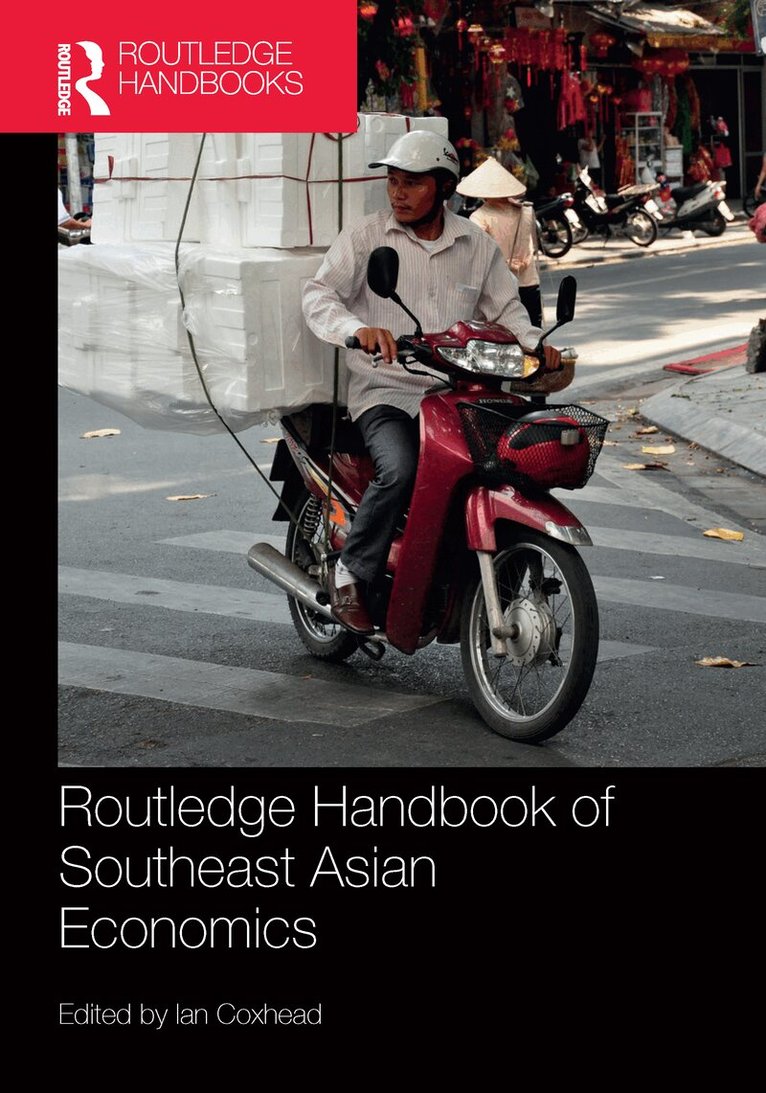
Now available in paperback, the Routledge Handbook of Southeast Asian Economics offers new insights into the rapidly developing economies of Southeast Asia. Despite widespread initial deprivation, Southeast Asia has achieved and sustained a remarkable rate of growth, in the course of which tens of millions have successfully escaped severe poverty. Though the economies of the region vary in many dimensions, integration into the wider East Asian network of production and trade is a notable common feature, one that continues a centuries-long history of engagement with global trade. A second striking feature is the pace and extent of transformation in the structure of production and in sources of household income in the region, which has undergone remarkably rapid industrialization and urban growth. However, the search for sustained and sustainable growth through and beyond middle-income continues to confront pressing economic and policy challenges.This Handbook offers a timely and comprehensive overview of Southeast Asian economic development. Organized according to the logic of chronological and thematic unity, it is structured in these parts:Growth and development over the long termFood, agriculture, and natural resourcesTrade, investment, and industrializationPopulation, labor, and human capitalPoverty and political economyTwenty-first-century challengesThis original Handbook, written by experts in their fields, is unique in the breadth and depth of its coverage. Its forward-looking perspective renders it relevant both now and in the future. This advanced-level reference work will be essential reading for students, researchers, and scholars of Asian Studies, Economics, and Southeast Asian Studies.
1 848 kr
Skickas inom 7-10 vardagar
Deforestation and agricultural land degradation are major problems in developing countries. While they have attracted much attention, most analyses and policy recommendations examine them in isolation from their broader economic and policy setting. This path breaking and timely book takes an economy-wide approach to the analysis of developing-country resource degradation problems. The Open Economy and the Environment asks what globalization means for environmental quality and the use of natural resources in developing economies. The authors develop theoretical models that trace the effects of trade and trade liberalization on sectoral resource allocation, factor returns, income and welfare, as well as incentives to clear forest and degrade agricultural land. The models reflect important developing economy features including spatial distinctions between uplands and lowlands, open-access forest resources and the special features of domestic food markets. The authors also analyze representative economy submodels, explore empirical cases based on applied general equilibrium models of Asian economies, and examine welfare and environmental implications of migration, trade liberalization and development policy.Researchers and graduate educators in agricultural, development, environmental and international economics, will find the core subject matter of this book of great interest, as will economists specializing in Asian economies.