Ian Falloon – författare
Visar alla böcker från författaren Ian Falloon. Handla med fri frakt och snabb leverans.
34 produkter
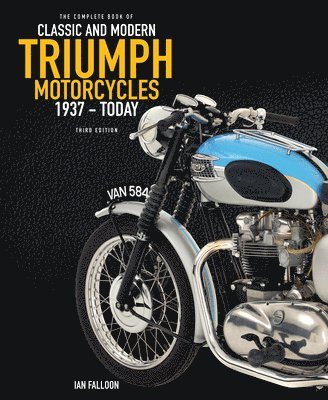
Complete Book of Classic and Modern Triumph Motorcycles 3rd Edition
1937 to Today
Av Ian Falloon
Inbunden, 2024
529 kr
Lägg i varukorg
The ultimate illustrated reference for Triumph lovers and fans of British motorcycles, this revised and updated third edition collects all the motorcycles from this iconic brand through 2024. Originally formed as a bicycle company in 1885, Triumph produced its first motorcycle in 1902, which was …
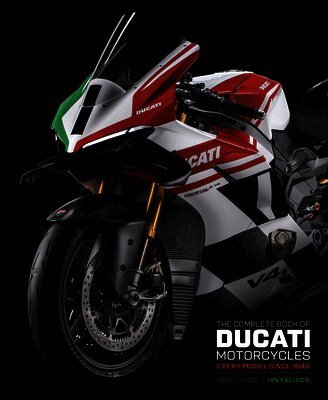
Complete Book of Ducati Motorcycles Third Edition
Every Model Since 1946
Av Ian Falloon
Inbunden, 2026
513 kr
Lägg i varukorg
From Ducati’s sporting single-cylinder bikes of the 1950s to today’s high-performance sportbikes, celebrate eight decades of performance with this revised and updated edition.Despite Ducati’s legendary status, its motorcycle manufacturing began modestly, selling motorized bicycles to struggling …
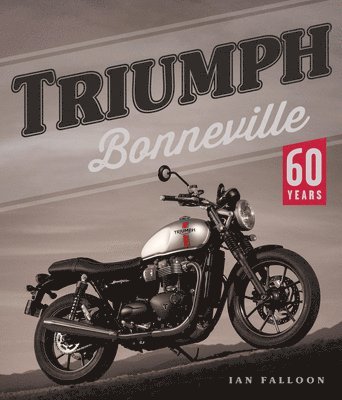
Triumph Bonneville
60 Years
Av Ian Falloon
Häftad, 2024
621 kr
Lägg i varukorg
Triumph Bonneville: 60 Years is a celebration one of motorcycling’s most iconic and beloved bikes. First manufactured in Great Britain in 1959, Triumph's legendary model resonates deeply with motorcycle enthusiasts worldwide who love its style, sound, performance, and undeniable coolness. It's no …
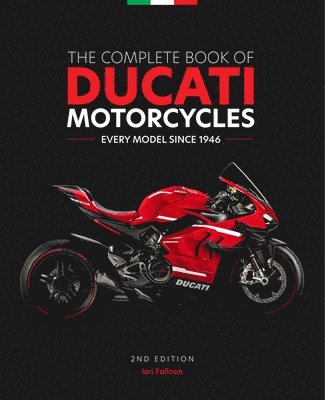
Complete Book of Ducati Motorcycles, 2nd Edition
Every Model Since 1946
Av Ian Falloon
Inbunden, 2022
559 kr
Lägg i varukorg
From sporting single-cylinder bikes of the 1950s to high-performance sportbikes of today, this updated edition of The Complete Book of Ducati Motorcyclesshowcases Ducati’s entire output.Though legendary today, Ducati motorcycles began rather modestly, selling motorized bicycles to impoverished …
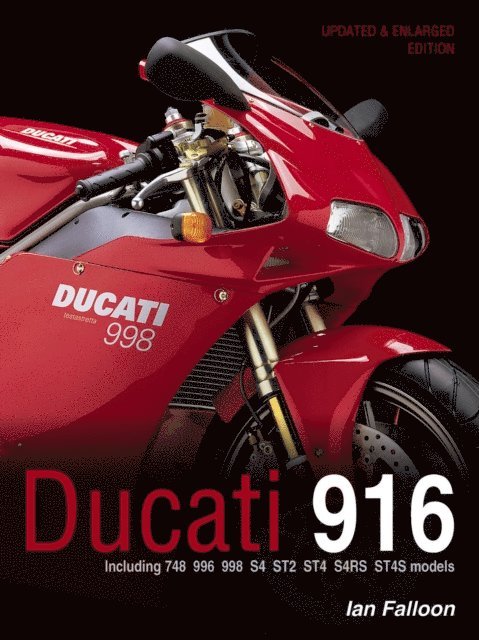
Ducati 916
Updated & enlarged edition
Av Ian Falloon
E-bok, 2019
288 kr
Lägg i varukorg
The 916 spearheaded the Ducati revival of the 1990s. Introduced at the end of 1993, this product of Massimo Tamburini and the Cagiva Research Centre took the water-cooled four-valve engine of the 851, placing it in an evolutionary chassis with revolutionary styling. The 916 immediately set new …
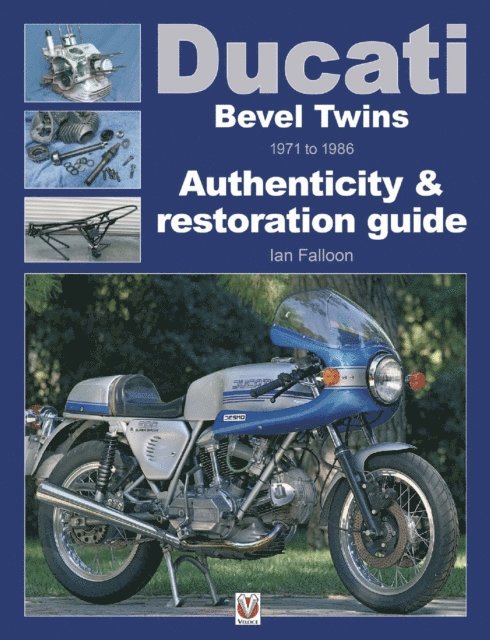
Ducati Bevel Twins 1971 to 1986
Authenticity & restoration guide
Av Ian Falloon
E-bok, 2019
227 kr
Lägg i varukorg
A comprehensive guide to authentic restoration of Ducati Bevel Twins made from 1971 to 1986.Ducati''s classic 750, 860, 900, and Mille bevel-drive twins from 1971 to 1986 are now amongst the most collectable bikes in the world. Although built in relatively small numbers, there are many individual …
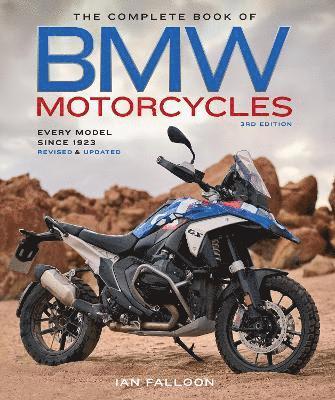
Complete Book of BMW Motorcycles, 3rd Edition
Every Model Since 1923
Av Ian Falloon
Inbunden, 2025
513 kr
Lägg i varukorg
In this stunningly illustrated volume, get a detailed year-by-year overview of every production machine ever built by Germany’s top motorcycle manufacturer.BMW launched its motorcycle dynasty in 1923 with the R32. From that first model to today’s stunning M 1000 RR superbike, this book covers over …
Handbook of Behavioural Family Therapy
Av Ian Falloon
Inbunden, 2015
2979 kr
Lägg i varukorg
First published in 1988, behavioural family therapists worked in an area that had greatly changed since its inception over 20 years before. Growing out of the pioneering work of Gerald Patterson, Robert Paul Liberman, and Richard Stuart, whose backgrounds vary from psychology to psychiatry to …
Handbook of Behavioural Family Therapy
Av Ian Falloon
Häftad, 2016
870 kr
Lägg i varukorg
First published in 1988, behavioural family therapists worked in an area that had greatly changed since its inception over 20 years before. Growing out of the pioneering work of Gerald Patterson, Robert Paul Liberman, and Richard Stuart, whose backgrounds vary from psychology to psychiatry to …
Handbook of Behavioural Family Therapy
Av Ian Falloon
E-bok, 2015
1088 kr
Lägg i varukorg
First published in 1988, behavioural family therapists worked in an area that had greatly changed since its inception over 20 years before. Growing out of the pioneering work of Gerald Patterson, Robert Paul Liberman, and Richard Stuart, whose backgrounds vary from psychology to psychiatry to …
Handbook of Behavioural Family Therapy
Av Ian Falloon
E-bok, 2015
1088 kr
Lägg i varukorg
First published in 1988, behavioural family therapists worked in an area that had greatly changed since its inception over 20 years before. Growing out of the pioneering work of Gerald Patterson, Robert Paul Liberman, and Richard Stuart, whose backgrounds vary from psychology to psychiatry to …
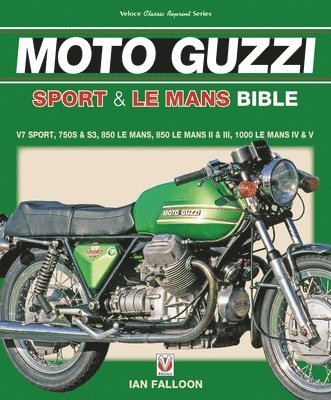
The Moto Guzzi Sport & Le Mans Bible
Av Ian Falloon
Häftad, 2017
530 kr
Lägg i varukorg
Available again after a long absence!This book celebrates the iconic Moto Guzzi V7 Sport and Le Mans sporting motorcycles of the 1970s and 1980s, telling the story of these classic bikes, among the first Superbikes to combine Italian style, handling and performance. After struggling to survive …
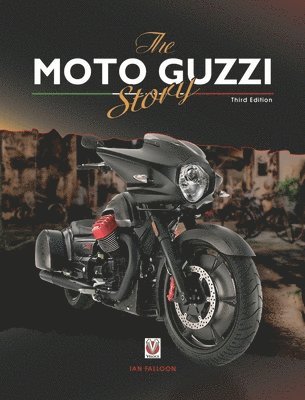
The Moto Guzzi Story - 3rd Edition
Av Ian Falloon
Inbunden, 2018
397 kr
Lägg i varukorg
The story of Moto Guzzi is a story of survival. As one of Italy’s oldest, and most legendary marques, Moto Guzzi had seen the height of success during the 1930s, and then the 1950s when they dominated 250 and 350cc Grand Prix racing. Their withdrawal from racing coincided with a period of …
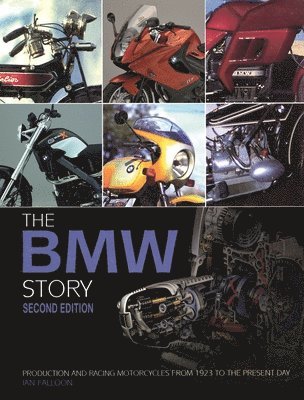
The BMW Motorcycle Story – Second Edition
Av Ian Falloon
Inbunden, 2019
397 kr
Lägg i varukorg
This new edition of Ian Falloon’s classic book on the history of BMW Motorcycles brings the story right up to date, and now includes all models from 1923 right through to 2019.Over the past 80 years, BMW motorcycles have provided a unique alternative to those of other manufacturers. Some …
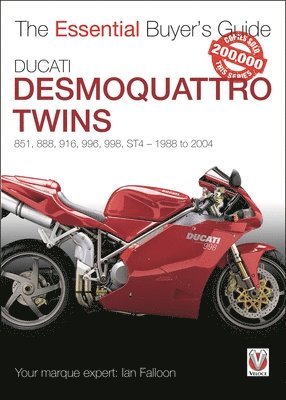
Ducati Desmoquattro Twins - 851, 888, 916, 996, 998, St4 1988 to 2004
The Essential Buyer’s Guide
Av Ian Falloon
Häftad, 2019
316 kr
Lägg i varukorg
Here is a book packed with good advice on how to find and maintain a Desmoquattro twin Ducati. From running costs, through paperwork, vital statistics, valuation – this book shows you exactly what to look for when examining a potential Ducati Desmoquattro purchase. Along with a detailed description …
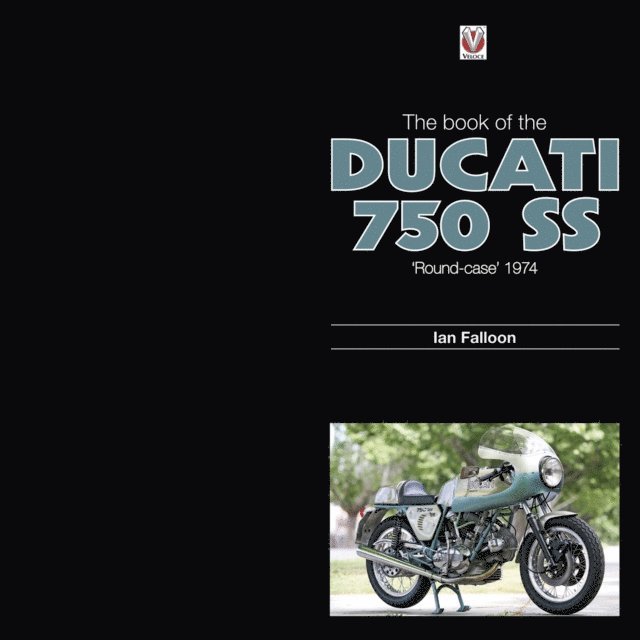
Book of the Ducati 750 SS 'round-case' 1974
Av Ian Falloon
E-bok, 2019
288 kr
Lägg i varukorg
Although manufactured for only one year - 1974 - the Ducati 750 Super Sport was immediately touted as a future classic. It was a pioneering motorcycle - expensive and rare, and produced by Ducati''s race department to celebrate victory in the 1972 Imola 200 Formula 750 race. Much of the mystique …
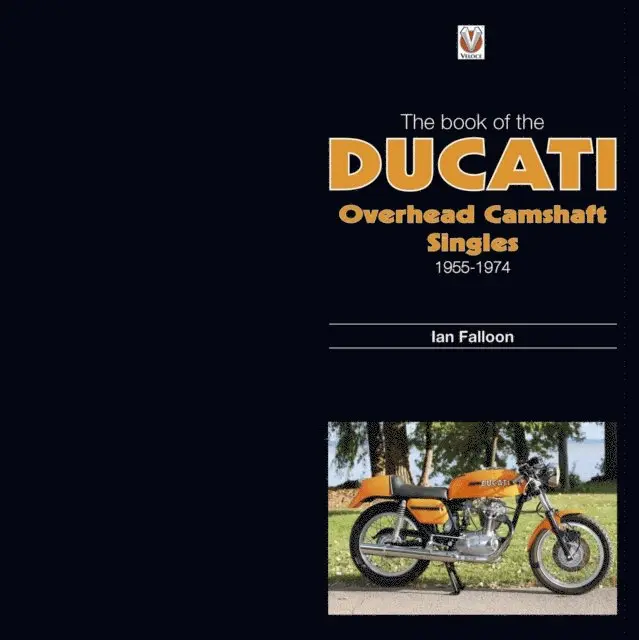
book of the Ducati Overhead Camshaft Singles
1955-1974
Av Ian Falloon
E-bok, 2016
158 kr
Lägg i varukorg
When Fabio Taglioni designed his 100cc Gran Sport Marianna back in 1954, it was unlikely he expected this engine to have such a long and lingering influence on Ducati design. Over the next 20 years, the single was developed into a myriad of different types, in capacities up to 436cc, and was the …
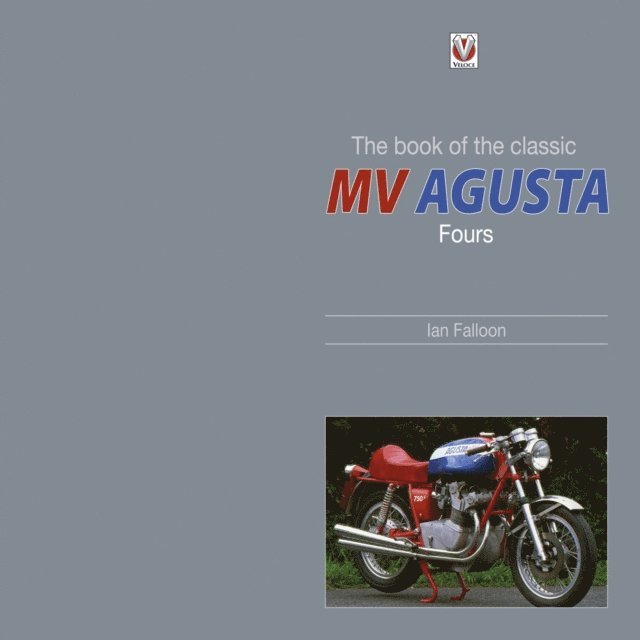
book of the classic MV Agusta Fours
Av Ian Falloon
E-bok, 2022
216 kr
Lägg i varukorg
MV Agusta''s classic four-cylinder dominated Grand Prix racing for a decade from 1956. When it was replaced by the new triple in 1966, Count Agusta decided to make the Four available in limited numbers as a production bike. To prevent privateers converting it into a Grand Prix racer that might …
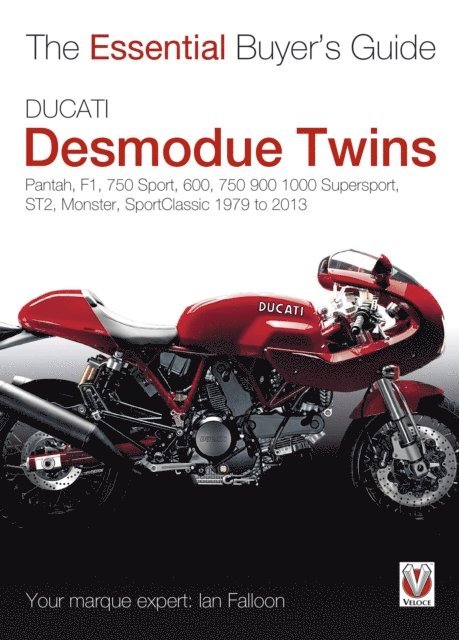
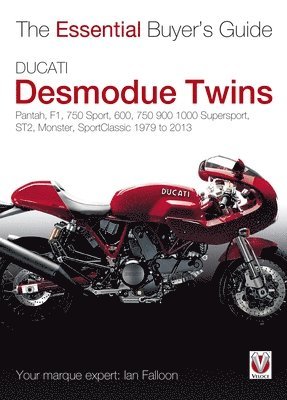
Ducati Desmodue Twins
Pantah, F1, 750 Sport, 600, 750 900 1000 Supersport, ST2, Monster, SportClassic 1979 to 2013
Av Ian Falloon
E-bok, 2022
182 kr
Lägg i varukorg
Here is a book packed with good advice on how to find and maintain a Ducati Desmodue twin. From running costs, through paperwork, vital statistics, valuation - this book shows you exactly what to look for when examining a potential Ducati Desmodue purchase. Along with a detailed description of all …
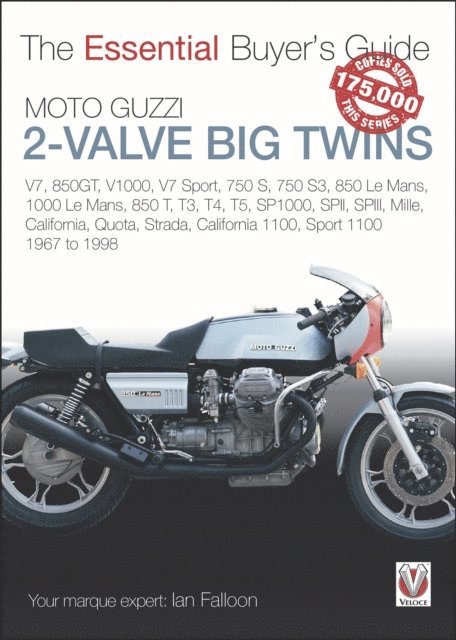
Moto Guzzi 2-Valve Big Twins
V7, 850GT, V1000, V7 Sport, 750 S, 750 S3, 850 Le Mans, 1000 Le Mans, 850 T, T3, T4, T5, SP1000, SPII, SPIII, Mille, California, Quota, Strada, California 1100, Sport 1100: 1967–1998
Av Ian Falloon
E-bok, 2022
227 kr
Lägg i varukorg
The V7 introduced Moto Guzzi to a completely new clientele. With car-like reliability and shaft drive, it proved the ideal machine for long distance touring. Eventually, the V7 evolved into larger capacity sporting and cruising models. This book provides a guide to all the models, their attributes, …
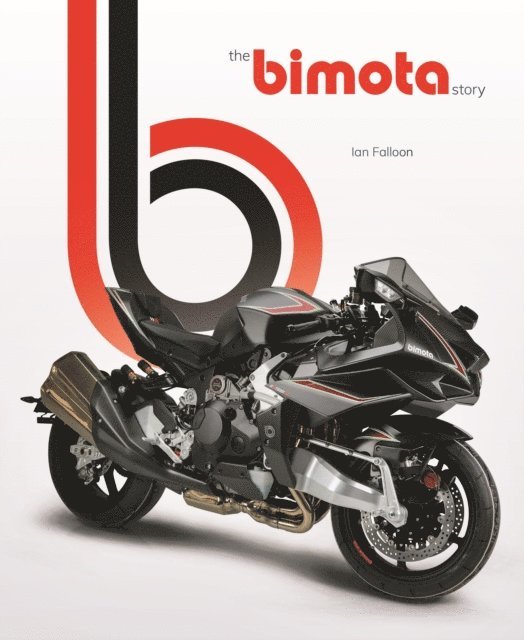
the bimota story
Av Ian Falloon
E-bok, 2024
222 kr
Lägg i varukorg
The definitive story of one of the most iconic Italian motorcycle marques. Bimota was founded in 1973 by three friends: Valerio Bianchi, Giuseppe Morri, and Massimo Tamburini. The company specialises in producing high-performance motorcycles, incorporating exotic materials and cutting-edge …
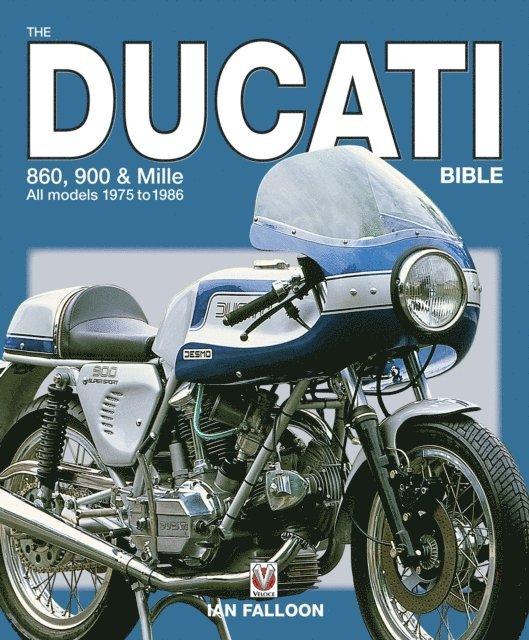
Ducati Bible
860, 900 and Mille: All models 1975 to 1986
Av Ian Falloon
E-bok, 2012
227 kr
Lägg i varukorg
The bevel-drive 860 and 900 was one of the most significant motorcycles of the late 1970s, providing a unique combination of power and handling that was unequalled by other motorcycles at the time. When Italian car stylist Giorgetto Giugiaro penned the 860GT in 1973, few would have believed it …
Ducati Desmodue Twins
Pantah, F1, 750 Sport, 600, 750 900 1000 Supersport, St2, Monster, Sportclassic 1979 to 2013
Av Ian Falloon
Häftad, 2014
5,0 utav 5 stjärnor. Totalt antal röster: (1)
134 kr
Lägg i varukorg
Here is a book packed with good advice on how to find and maintain a Ducati Desmodue twin. From running costs, through paperwork, vital statistics, valuation – this book shows you exactly what to look for when examining a potential Ducati Desmodue purchase. Along with a detailed description of all …
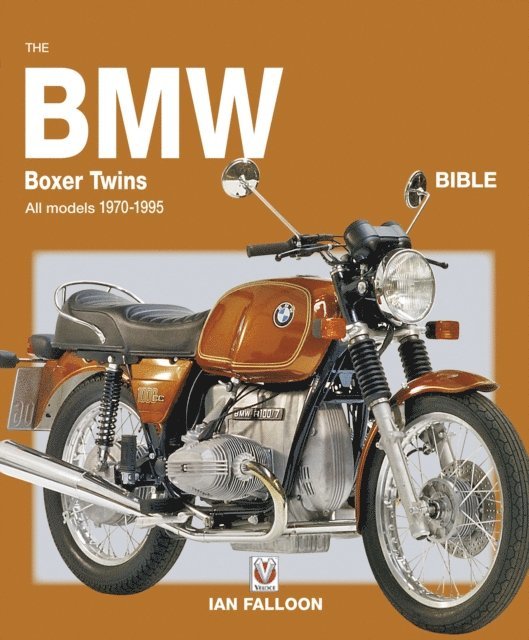
BMW Boxer Twins 1970-1996 Bible
All air-cooled models 1970-1996 (Except R45, R65, G/S & GS)
Av Ian Falloon
E-bok, 2013
288 kr
Lägg i varukorg
Before the /5 series, BMW had a reputation for producing expensive and idiosyncratic touring motorcycles. But the /5 changed that. Although still expensive, the market was opened to a new world of riders, and during the 1970s the air-cooled boxer evolved into the ground-breaking R90S and R100RS. …
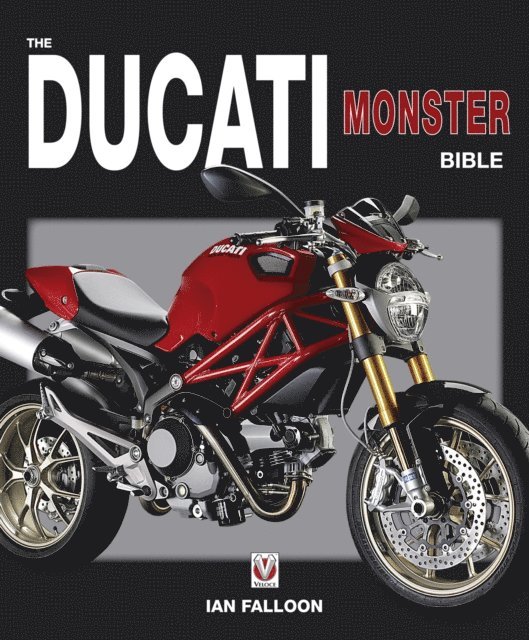
Ducati Monster Bible
Av Ian Falloon
E-bok, 2013
243 kr
Lägg i varukorg
When Ducati unleashed Galluzzi''s Monster at the Cologne Show at the end of 1992, few expected it to become Ducati''s most successful model. Dramatically styled, minimalist in stature, yet bristling with innovative engineering, the 900 Monster created a new niche market. A multi-faceted machine, …
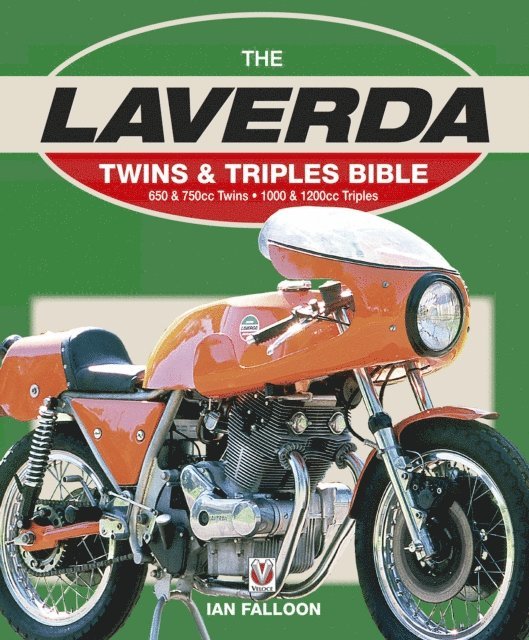
Laverda Twins & Triples Bible
Av Ian Falloon
E-bok, 2013
227 kr
Lägg i varukorg
Now part of the Aprilia - Moto Guzzi - Laverda group, Laverda has acquired a following of almost fanatical proportions. The large capacity twins and triples were some of the most charismatic and exciting motorcycles produced in a golden era. With a successful endurance racing program publicizing …
The BMW Boxer Twins 1970-1996 Bible
All Air-Cooled Models 1970-1996 (Except R45, R65, G/S & Gs)
Av Ian Falloon
Häftad, 2016
344 kr
Lägg i varukorg
Before the /5 series, BMW had a reputation for producing expensive and idiosyncratic touring motorcycles. But the /5 changed that. Although still expensive, the market was opened to a new world of riders, and during the 1970s the air-cooled boxer evolved into the ground-breaking R90S and R100RS. …