Ian Klaus – författare
Visar alla böcker från författaren . Handla med fri frakt och snabb leverans.
5 produkter
5 produkter
Inbunden, Engelska, 2024
303 kr
Skickas inom 5-8 vardagar
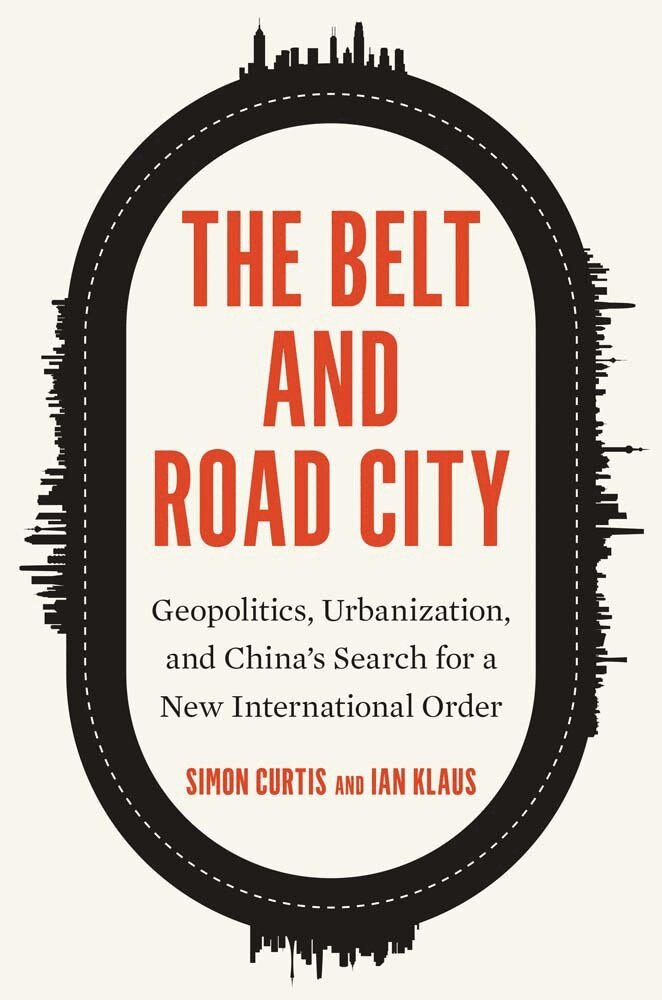
An exploration of how China’s Belt and Road Initiative seeks to reshape international order and how it has catalyzed a new era of infrastructural geopolitics Over the past decade China has put infrastructural and urban development at the heart of a strategy aimed at nothing less than the transformation of international order. The Belt and Road Initiative, which seeks to revitalize and reconnect the ancient Silk Roads that linked much of the world before the rise of the West, is an attempt to place China at the center of this new international order, one shaped by Chinese power, norms, and values. It seeks to do so, in part, by shaping our shared urban future. Simon Curtis and Ian Klaus explore how China’s specific investments in urban development—cities, roads, railways, ports, digital and energy connectivity—are directly linked to its foreign policy goals. Curtis and Klaus examine the implications of these developments as they evolve across the vast Afro-Eurasian region. The distinctive model of international order and urban life emerging with the rise of Chinese power and influence offers a potential rival to the one that has accompanied the rise and zenith of Western power, marking a new age of infrastructural geopolitics and Great Power competition.
E-bok
Engelska, 2007191 kr
Läs direkt efter köp
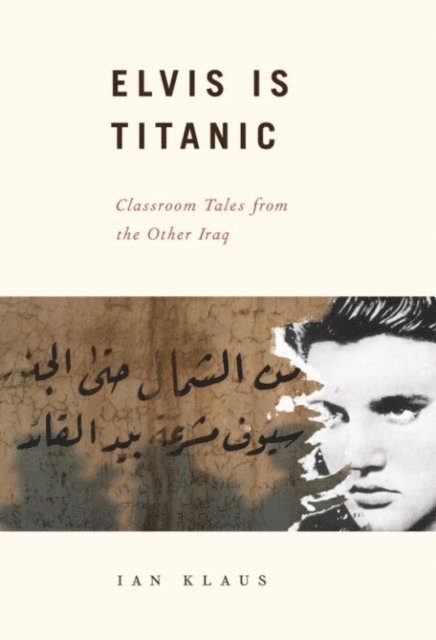
In the spring of 2005, twenty-five-year-old Rhodes Scholar Ian Klaus took a semester-long appointment at Salahaddin University in Arbil, the largest city in the Kurdistan region of Iraq. Officially he was there to lecture on American history and to teach English. Unofficially he was there because he felt obliged, as a young American, to help make Iraq a stable and successful country. With assignments from Elvis to Ellington, baseball to Tocqueville, Klaus strives to illuminate the American way for students far more attuned to our pop culture than to our national ideals. Klaus''s account of his unusual opportunity offers an astonishingly frank glimpse of life in the other Iraq after Saddam.From the Trade Paperback edition.
Häftad, Engelska, 2008
285 kr
Skickas inom 3-6 vardagar
Inbunden, Engelska, 2026
2 026 kr
Kommande
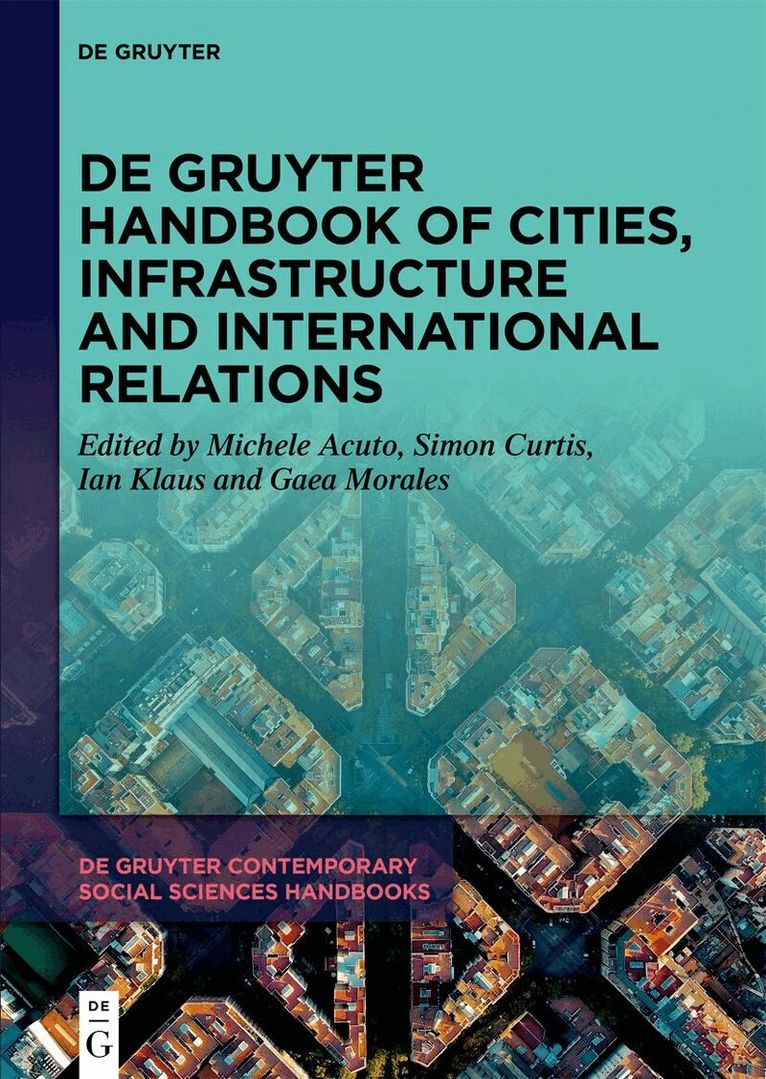
Cities have been the motive force of globalisation. As cities have grown to sizes unknown in the historical record, they very often dwarf many states in terms of population and economic power, placing our frameworks for understanding the international system under strain. Cities have increasingly tried, often successfully, to translate their new-found heft and economic might into political power – in the halls of international organisations, in the United Nations system, and also through the many hundreds of transnational networks that are having real influence on global governance issues and outcomes in areas such as climate change, migration, global health, and disaster risk management.This volume argues that cities and infrastructures of connectivity – including transportation, digital architectures, computational stacks, and energy infrastructures – are also important components of international order itself – objects and mediums of geopolitical competition. The ‘global’ cities that have emerged in the current round of globalisation are not simply urban phenomena, but have been dependent upon the liberal international order and the powerful states that underpinned it for the international environment in which they were able to thrive – and have in turn underpinned that order. With the rise of China and its immensely ambitious Belt and Road Initiative, we have seen once again this intrinsic connection between geopolitical power and infrastructure and urbanism, as great powers make cities and their connecting infrastructures a central plank of an emerging contestation over the shape of the twenty-first century.This volume assesses the emergence of global cities and their continuing evolution within the international system, and the ways in which such cities challenge our existing understandings of diplomacy, territoriality, sovereignty, legitimacy, international law and agency. Also, importantly, this handbook considers the growing importance of understanding global infrastructures in the twenty-first century, and how they are a little understood and yet critical aspect of international order and competition.
Häftad, Engelska, 2017
208 kr
Tillfälligt slut
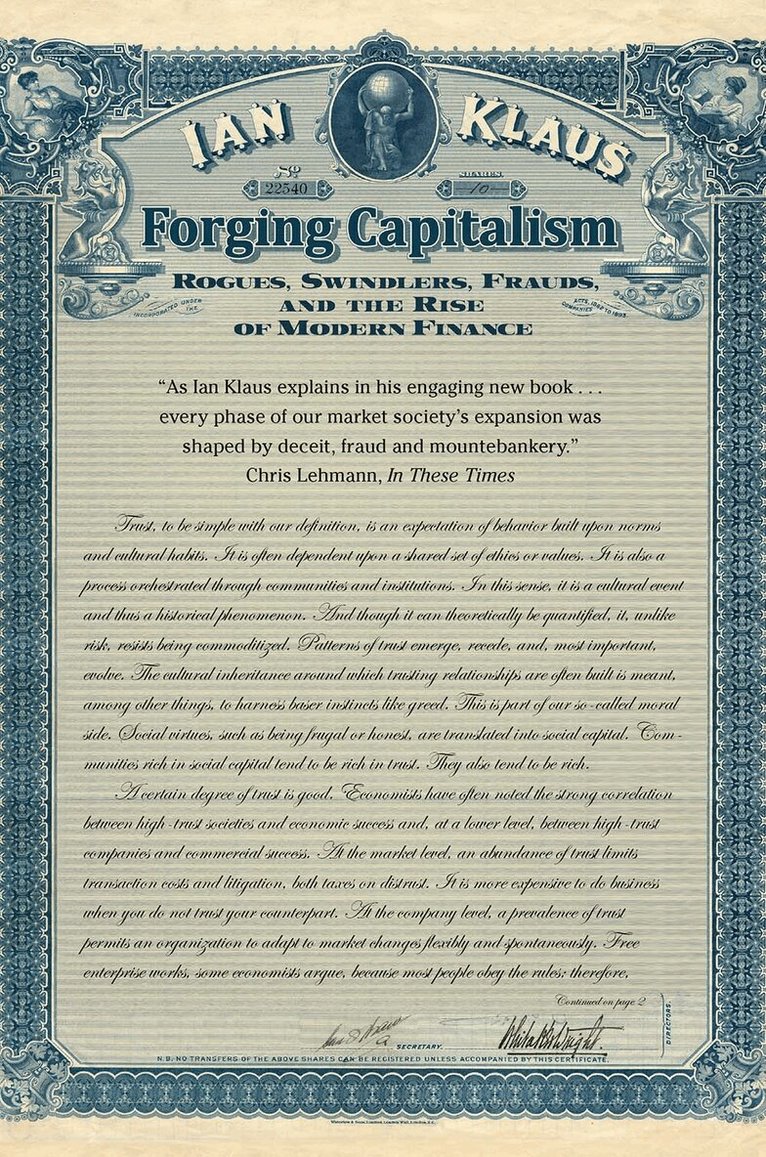
A riveting history of raw capitalism that exposes the unscrupulousness at its heartVice is endemic to Western capitalism, according to this fascinating, wildly entertaining, often startling history of modern finance. Ian Klaus’s Forging Capitalism demonstrates how international financial affairs in the nineteenth century were conducted not only by gentlemen as a noble pursuit but also by connivers, thieves, swindlers, and frauds who believed that no risk was too great and no scheme too outrageous if the monetary reward was substantial enough. Taken together, the grand deceptions of the ambitious schemers and the determined efforts to guard against them have been instrumental in creating the financial establishments of today. In a story teeming with playboys and scoundrels and rich in colorful and amazing events, Klaus chronicles the evolution of trust through three distinct epochs: the age of values, the age of networks and reputations, and, ultimately, in a world of increased technology and wealth, the age of skepticism and verification. In today’s world, where the questionable dealings of large international financial institutions are continually in the spotlight, this extraordinary history has great relevance, offering essential lessons in both the importance and the limitations of trust.