Ian Phillips – författare
735 kr
Skickas inom 10-15 vardagar
215 kr
Skickas inom 3-6 vardagar
10 kr
Läs direkt efter köp
3 440 kr
Skickas inom 10-15 vardagar
844 kr
Läs direkt efter köp
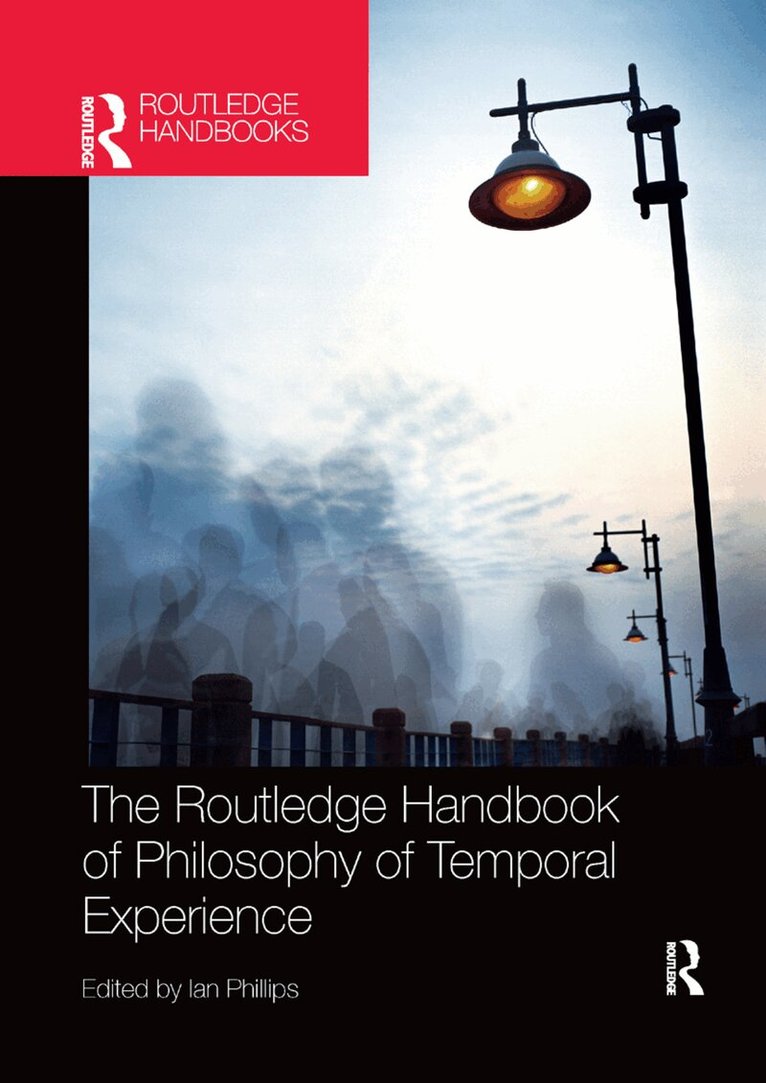
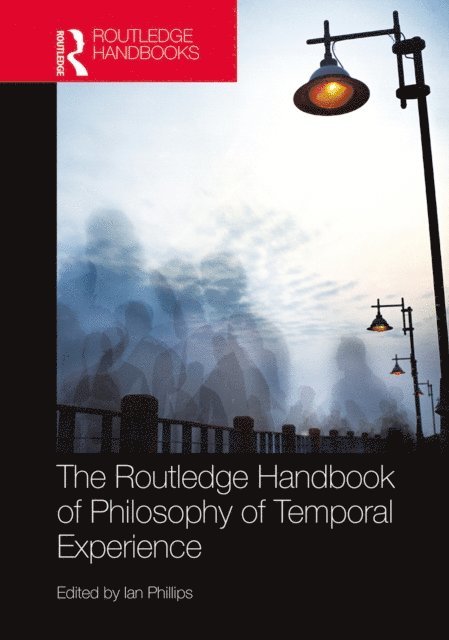
Experience is inescapably temporal. But how do we experience time? Temporal experience is a fundamental subject in philosophy – according to Husserl, the most important and difficult of all. Its puzzles and paradoxes were of critical interest from the Early Moderns through to the Post-Kantians. After a period of relative neglect, temporal experience is again at the forefront of debates across a wealth of areas, from philosophy of mind and psychology, to metaphysics and aesthetics.
The Routledge Handbook of Philosophy of Temporal Experience is an outstanding reference source to the key debates in this exciting subject area and represents the first collection of its kind. Comprising nearly 30 chapters by a team of international contributors, the Handbook is organized into seven clear parts:
Ancient and early modern perspectives Nineteenth and early twentieth-century perspectives The structure of temporal experience Temporal experience and the philosophy of mind Temporal experience and metaphysics Empirical perspectives AestheticsWithin each part, key topics concerning temporal experience are examined, including canonical figures such as Locke, Kant and Husserl; extensionalism, retentionalism and the specious present; interrelations between temporal experience and time, agency, dreaming, and the self; empirical theories of perceiving and attending to time; and temporal awareness in the arts including dance, music and film.
The Routledge Handbook of Philosophy of Temporal Experience is essential reading for students and researchers of philosophy of mind and psychology. It is also extremely useful for those in related fields such as metaphysics, phenomenology and aesthetics, as well as for psychologists and cognitive neuroscientists.
844 kr
Läs direkt efter köp
Experience is inescapably temporal. But how do we experience time? Temporal experience is a fundamental subject in philosophy – according to Husserl, the most important and difficult of all. Its puzzles and paradoxes were of critical interest from the Early Moderns through to the Post-Kantians. After a period of relative neglect, temporal experience is again at the forefront of debates across a wealth of areas, from philosophy of mind and psychology, to metaphysics and aesthetics.
The Routledge Handbook of Philosophy of Temporal Experience is an outstanding reference source to the key debates in this exciting subject area and represents the first collection of its kind. Comprising nearly 30 chapters by a team of international contributors, the Handbook is organized into seven clear parts:
Ancient and early modern perspectives Nineteenth and early twentieth-century perspectives The structure of temporal experience Temporal experience and the philosophy of mind Temporal experience and metaphysics Empirical perspectives AestheticsWithin each part, key topics concerning temporal experience are examined, including canonical figures such as Locke, Kant and Husserl; extensionalism, retentionalism and the specious present; interrelations between temporal experience and time, agency, dreaming, and the self; empirical theories of perceiving and attending to time; and temporal awareness in the arts including dance, music and film.
The Routledge Handbook of Philosophy of Temporal Experience is essential reading for students and researchers of philosophy of mind and psychology. It is also extremely useful for those in related fields such as metaphysics, phenomenology and aesthetics, as well as for psychologists and cognitive neuroscientists.
2 388 kr
Skickas inom 11-20 vardagar
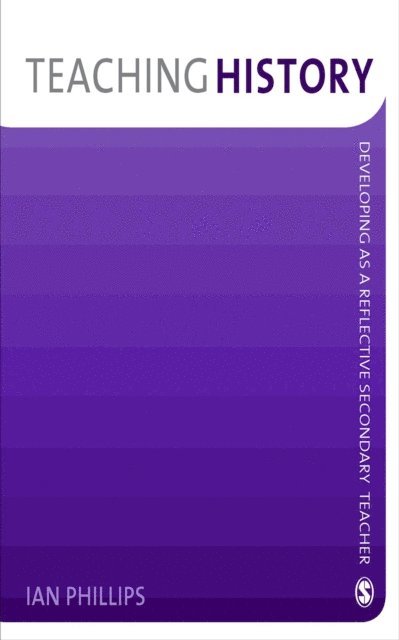
Reflective practice is at the heart of effective teaching, and this book will help you develop into a reflective teacher of history. Everything you need is here: guidance on developing your analysis and self-evaluation skills, the knowledge of what you are trying to achieve and why, and examples of how experienced teachers deliver successful lessons.
The book shows you how to plan lessons, how to make the best use of resources and how to assess pupils' progress effectively. Each chapter contains points for reflection, which encourage you to break off from your reading and think about the challenging questions that you face as a history teacher.
The book comes with access to a companion website, where you will find:
- Videos of real lessons so you can see the skills discussed in the text in action
- Transcripts from teachers and students that you can use as tools for reflection
- Links to a range of sites that provide useful additional support
- Extra planning and resource materials.
If you are training to teach history, citizenship or social sciences this book will help you to improve your classroom performance by providing you with practical advice, and also by helping you to think in depth about the key issues. It provides examples of the research evidence that is needed in academic work at Masters level, essential for anyone undertaking an M-level PGCE.
Ian Phillips is course leader for PGCE History (and Teaching and Learning Fellow) at Edge Hill University.
800 kr
Skickas
Reflective practice is at the heart of effective teaching, and this book will help you develop into a reflective teacher of history. Everything you need is here: guidance on developing your analysis and self-evaluation skills, the knowledge of what you are trying to achieve and why, and examples of how experienced teachers deliver successful lessons.
The book shows you how to plan lessons, how to make the best use of resources and how to assess pupils' progress effectively. Each chapter contains points for reflection, which encourage you to break off from your reading and think about the challenging questions that you face as a history teacher.
The book comes with access to a companion website, where you will find:
- Videos of real lessons so you can see the skills discussed in the text in action
- Transcripts from teachers and students that you can use as tools for reflection
- Links to a range of sites that provide useful additional support
- Extra planning and resource materials.
If you are training to teach history, citizenship or social sciences this book will help you to improve your classroom performance by providing you with practical advice, and also by helping you to think in depth about the key issues. It provides examples of the research evidence that is needed in academic work at Masters level, essential for anyone undertaking an M-level PGCE.
Ian Phillips is course leader for PGCE History (and Teaching and Learning Fellow) at Edge Hill University.
653 kr
Läs direkt efter köp
Reflective practice is at the heart of effective teaching, and this book will help you develop into a reflective teacher of history. Everything you need is here: guidance on developing your analysis and self-evaluation skills, the knowledge of what you are trying to achieve and why, and examples of how experienced teachers deliver successful lessons.
The book shows you how to plan lessons, how to make the best use of resources and how to assess pupils′ progress effectively. Each chapter contains points for reflection, which encourage you to break off from your reading and think about the challenging questions that you face as a history teacher.
The book comes with access to a companion website, where you will find:
- Videos of real lessons so you can see the skills discussed in the text in action
- Transcripts from teachers and students that you can use as tools for reflection
- Links to a range of sites that provide useful additional support
- Extra planning and resource materials.
If you are training to teach history, citizenship or social sciences this book will help you to improve your classroom performance by providing you with practical advice, and also by helping you to think in depth about the key issues. It provides examples of the research evidence that is needed in academic work at Masters level, essential for anyone undertaking an M-level PGCE.
Ian Phillips is course leader for PGCE History (and Teaching and Learning Fellow) at Edge Hill University.
1 517 kr
Skickas inom 3-6 vardagar
100 kr
Skickas
Reflective practice is at the heart of effective teaching, and this book will help you develop into a reflective teacher of history. Everything you need is here: guidance on developing your analysis and self-evaluation skills, the knowledge of what you are trying to achieve and why, and examples of how experienced teachers deliver successful lessons.
The book shows you how to plan lessons, how to make the best use of resources and how to assess pupils' progress effectively. Each chapter contains points for reflection, which encourage you to break off from your reading and think about the challenging questions that you face as a history teacher.
The book comes with access to a companion website, where you will find:
- Videos of real lessons so you can see the skills discussed in the text in action
- Transcripts from teachers and students that you can use as tools for reflection
- Links to a range of sites that provide useful additional support
- Extra planning and resource materials.
If you are training to teach history, citizenship or social sciences this book will help you to improve your classroom performance by providing you with practical advice, and also by helping you to think in depth about the key issues. It provides examples of the research evidence that is needed in academic work at Masters level, essential for anyone undertaking an M-level PGCE.
Ian Phillips is course leader for PGCE History (and Teaching and Learning Fellow) at Edge Hill University.
2 308 kr
Kommande