Ian R. Brown – författare
Visar alla böcker från författaren Ian R. Brown. Handla med fri frakt och snabb leverans.
4 produkter
4 produkter
Inbunden, Engelska, 2008
2 239 kr
Skickas inom 10-15 vardagar
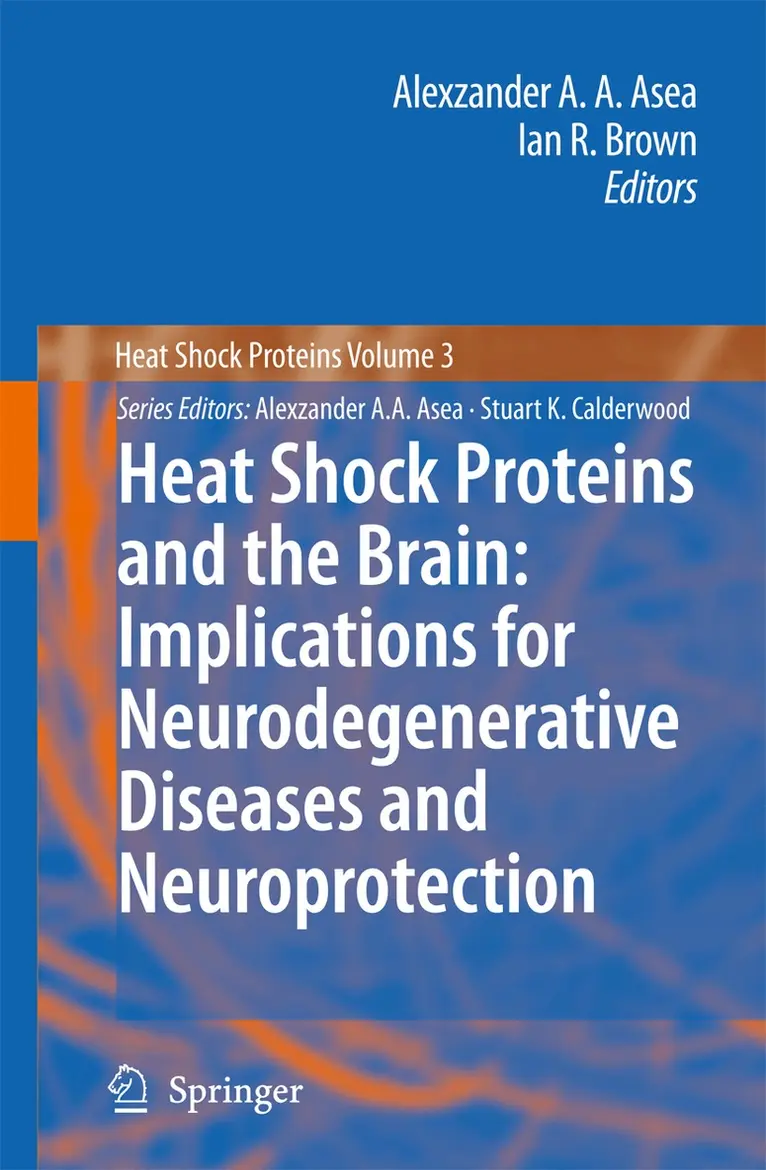
With the prevalence of neurodegenerative diseases on the rise as average life expectancy increases, the hunt for effective treatments and preventive measures for these disorders is a pressing challenge. Neurodegenerative disorders such as Alzheimer’s disease, Huntington’s disease, Parkinson’s disease and amyotrophic lateral sclerosis have been termed ‘protein misfolding disorders’ that are char- terized by the neural accumulation of protein aggregates. Manipulation of the cellular stress response involving the induction of heat shock proteins offers a the- peutic strategy to counter conformational changes in neural proteins that trigger pathogenic cascades resulting in neurodegenerative diseases. Heat shock proteins are protein repair agents that provide a line of defense against misfolded, aggregati- prone proteins. Heat Shock Proteins and the Brain: Implications for Neurodegenerative Diseases and Neuroprotection reviews current progress on neural heat shock proteins (HSP) in relation to neurodegenerative diseases (Part I), neuroprotection (Part II), ext- cellular HSP (Part III) and aging and control of life span (Part IV). Key basic and clinical research laboratories from major universities and hospitals around the world contribute chapters that review present research activity and importantly project the field into the future. The book is a must read for researchers, postdoctoral fellows and graduate students in the fields of Neuroscience, Neurodegenerative Diseases, Molecular Medicine, Aging, Physiology, Pharmacology and Pathology.
E-bok
PDF, Engelska, 20082 822 kr
Läs direkt efter köp
With the prevalence of neurodegenerative diseases on the rise as average life expectancy increases, the hunt for effective treatments and preventive measures for these disorders is a pressing challenge. Neurodegenerative disorders such as Alzheimer’s disease, Huntington’s disease, Parkinson’s disease and amyotrophic lateral sclerosis have been termed ‘protein misfolding disorders’ that are char- terized by the neural accumulation of protein aggregates. Manipulation of the cellular stress response involving the induction of heat shock proteins offers a the- peutic strategy to counter conformational changes in neural proteins that trigger pathogenic cascades resulting in neurodegenerative diseases. Heat shock proteins are protein repair agents that provide a line of defense against misfolded, aggregati- prone proteins. Heat Shock Proteins and the Brain: Implications for Neurodegenerative Diseases and Neuroprotection reviews current progress on neural heat shock proteins (HSP) in relation to neurodegenerative diseases (Part I), neuroprotection (Part II), ext- cellular HSP (Part III) and aging and control of life span (Part IV). Key basic and clinical research laboratories from major universities and hospitals around the world contribute chapters that review present research activity and importantly project the field into the future. The book is a must read for researchers, postdoctoral fellows and graduate students in the fields of Neuroscience, Neurodegenerative Diseases, Molecular Medicine, Aging, Physiology, Pharmacology and Pathology.
E-bok
Engelska, 2014756 kr
Läs direkt efter köp
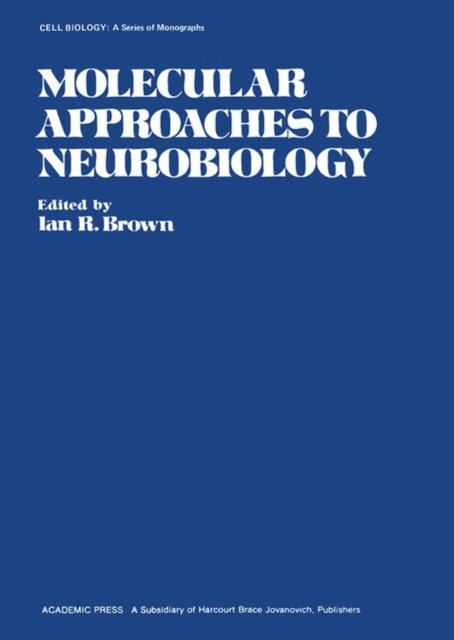
Molecular Approaches to Neurobiology deals with molecular approaches to the analysis of the nervous system. This book surveys the current state of knowledge in a number of areas of molecular neurobiology that includes the subcellular level of chromatin structure, complexity of RNA synthesis, role of hormones in cell differentiation, and molecular correlates between neuropeptides and behavior. A comprehensive review of procedures for the isolation of specific brain cells and their experimental use is also provided at the end of this text. This publication is useful to those working in the field of neurochemistry and those engaged in morphological and physiological approaches to the analysis of the nervous system, as well as molecular biologists and biochemists working with non-neural tissues.
Häftad, Engelska, 2010
2 243 kr
Skickas inom 10-15 vardagar
With the prevalence of neurodegenerative diseases on the rise as average life expectancy increases, the hunt for effective treatments and preventive measures for these disorders is a pressing challenge. Neurodegenerative disorders such as Alzheimer’s disease, Huntington’s disease, Parkinson’s disease and amyotrophic lateral sclerosis have been termed ‘protein misfolding disorders’ that are char- terized by the neural accumulation of protein aggregates. Manipulation of the cellular stress response involving the induction of heat shock proteins offers a the- peutic strategy to counter conformational changes in neural proteins that trigger pathogenic cascades resulting in neurodegenerative diseases. Heat shock proteins are protein repair agents that provide a line of defense against misfolded, aggregati- prone proteins. Heat Shock Proteins and the Brain: Implications for Neurodegenerative Diseases and Neuroprotection reviews current progress on neural heat shock proteins (HSP) in relation to neurodegenerative diseases (Part I), neuroprotection (Part II), ext- cellular HSP (Part III) and aging and control of life span (Part IV). Key basic and clinical research laboratories from major universities and hospitals around the world contribute chapters that review present research activity and importantly project the field into the future. The book is a must read for researchers, postdoctoral fellows and graduate students in the fields of Neuroscience, Neurodegenerative Diseases, Molecular Medicine, Aging, Physiology, Pharmacology and Pathology.