
Ian S. Shaw – författare
Visar alla böcker från författaren Ian S. Shaw. Handla med fri frakt och snabb leverans.
3 produkter
3 produkter
Del 457 - Springer International Series in Engineering and Computer Science
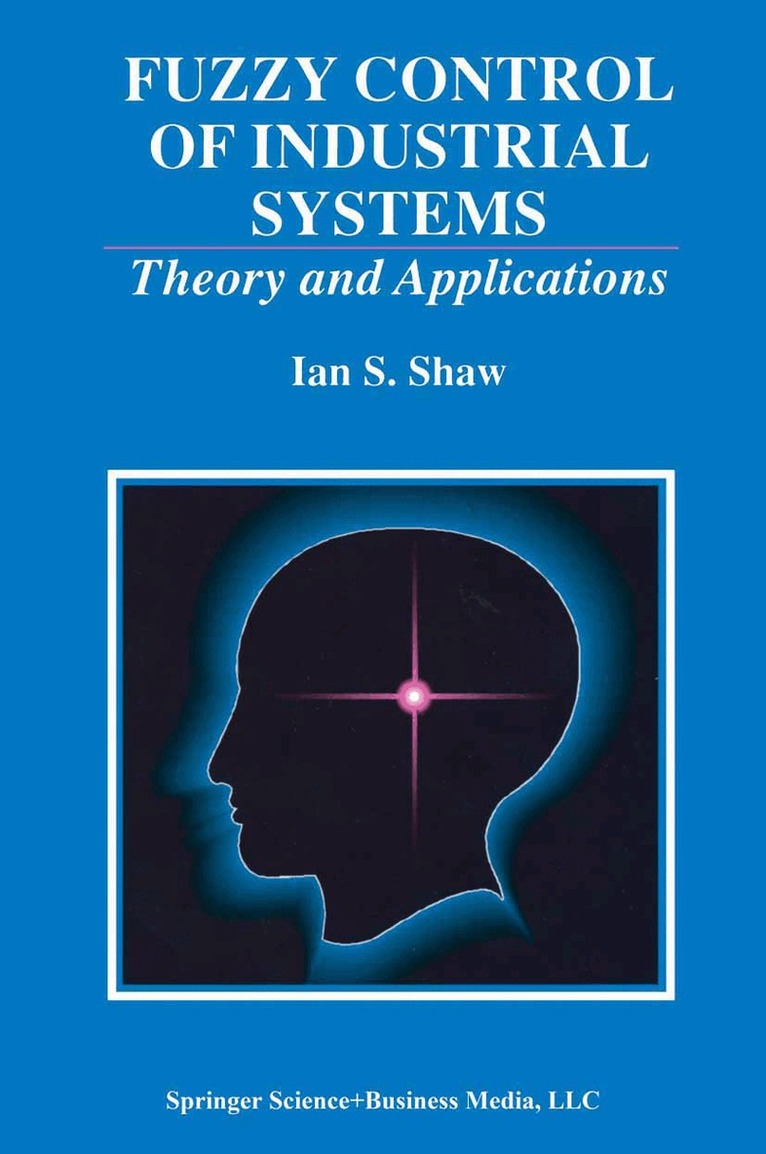
Fuzzy Control of Industrial Systems
Theory and Applications
Inbunden, Engelska, 1998
1 091 kr
Skickas inom 10-15 vardagar
Fuzzy Control of Industrial Systems: Theory and Applications presents the basic theoretical framework of crisp and fuzzy set theory, relating these concepts to control engineering based on the analogy between the Laplace transfer function of linear systems and the fuzzy relation of a nonlinear fuzzy system. Included are generic aspects of fuzzy systems with an emphasis on the many degrees of freedom and its practical design implications, modeling and systems identification techniques based on fuzzy rules, parametrized rules and relational equations, and the principles of adaptive fuzzy and neurofuzzy systems. Practical design aspects of fuzzy controllers are covered by the detailed treatment of fuzzy and neurofuzzy software design tools with an emphasis on iterative fuzzy tuning, while novel stability limit testing methods and the definition and practical examples of the new concept of collaborative control systems are also given. In addition, case studies of successful applications in industrial automation, process control, electric power technology, electric traction, traffic engineering, wastewater treatment, manufacturing, mineral processing and automotive engineering are also presented, in order to assist industrial control systems engineers in recognizing situations when fuzzy and neurofuzzy would offer certain advantages over traditional methods, particularly in controlling highly nonlinear and time-variant plants and processes.
Del 457 - Springer International Series in Engineering and Computer Science
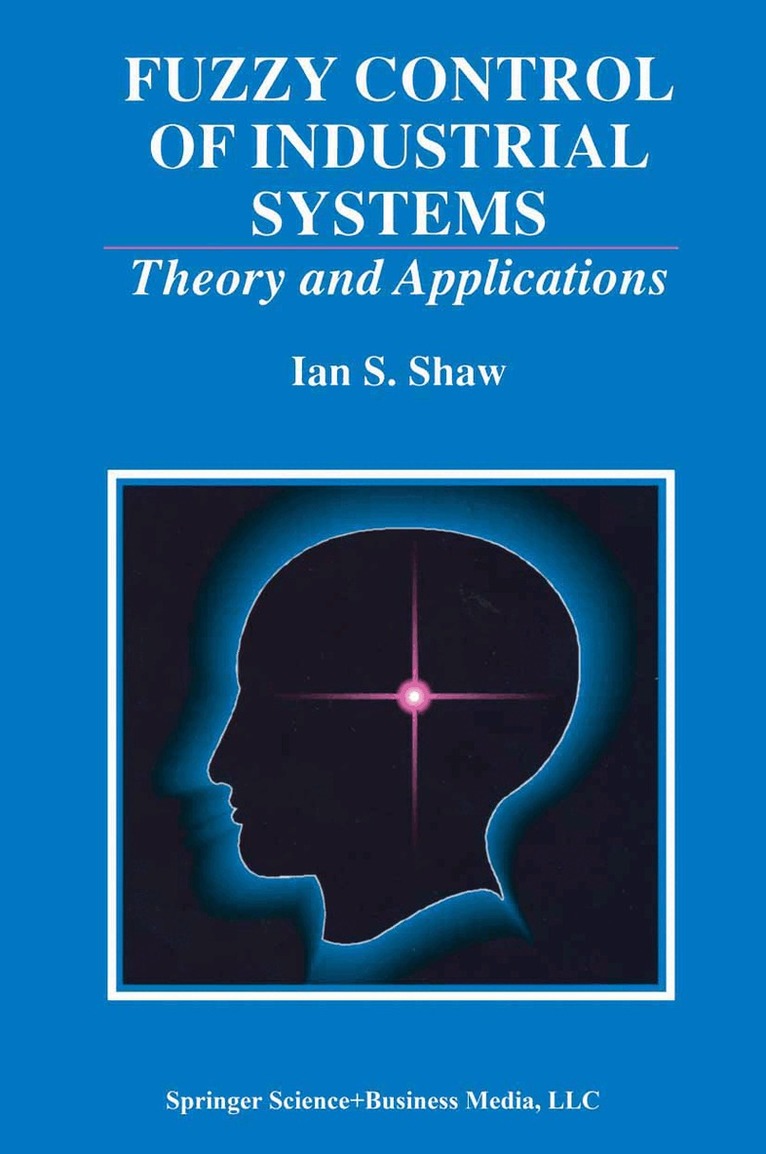
Fuzzy Control of Industrial Systems
Theory and Applications
Häftad, Engelska, 2010
1 086 kr
Skickas inom 10-15 vardagar
Fuzzy Control of Industrial Systems: Theory and Applications presents the basic theoretical framework of crisp and fuzzy set theory, relating these concepts to control engineering based on the analogy between the Laplace transfer function of linear systems and the fuzzy relation of a nonlinear fuzzy system. Included are generic aspects of fuzzy systems with an emphasis on the many degrees of freedom and its practical design implications, modeling and systems identification techniques based on fuzzy rules, parametrized rules and relational equations, and the principles of adaptive fuzzy and neurofuzzy systems. Practical design aspects of fuzzy controllers are covered by the detailed treatment of fuzzy and neurofuzzy software design tools with an emphasis on iterative fuzzy tuning, while novel stability limit testing methods and the definition and practical examples of the new concept of collaborative control systems are also given. In addition, case studies of successful applications in industrial automation, process control, electric power technology, electric traction, traffic engineering, wastewater treatment, manufacturing, mineral processing and automotive engineering are also presented, in order to assist industrial control systems engineers in recognizing situations when fuzzy and neurofuzzy would offer certain advantages over traditional methods, particularly in controlling highly nonlinear and time-variant plants and processes.

E-bok
PDF, Engelska, 20131 367 kr
Läs direkt efter köp
Fuzzy Control of Industrial Systems: Theory and Applications presents the basic theoretical framework of crisp and fuzzy set theory, relating these concepts to control engineering based on the analogy between the Laplace transfer function of linear systems and the fuzzy relation of a nonlinear fuzzy system. Included are generic aspects of fuzzy systems with an emphasis on the many degrees of freedom and its practical design implications, modeling and systems identification techniques based on fuzzy rules, parametrized rules and relational equations, and the principles of adaptive fuzzy and neurofuzzy systems. Practical design aspects of fuzzy controllers are covered by the detailed treatment of fuzzy and neurofuzzy software design tools with an emphasis on iterative fuzzy tuning, while novel stability limit testing methods and the definition and practical examples of the new concept of collaborative control systems are also given. In addition, case studies of successful applications in industrial automation, process control, electric power technology, electric traction, traffic engineering, wastewater treatment, manufacturing, mineral processing and automotive engineering are also presented, in order to assist industrial control systems engineers in recognizing situations when fuzzy and neurofuzzy would offer certain advantages over traditional methods, particularly in controlling highly nonlinear and time-variant plants and processes.