Ibrahim Elbadawi – författare
Visar alla böcker från författaren Ibrahim Elbadawi. Handla med fri frakt och snabb leverans.
10 produkter
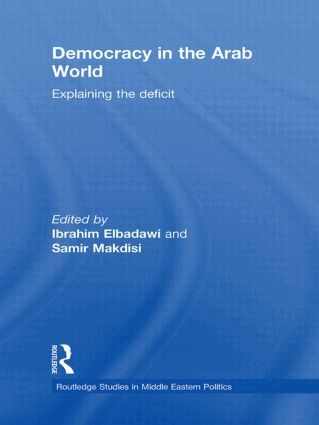
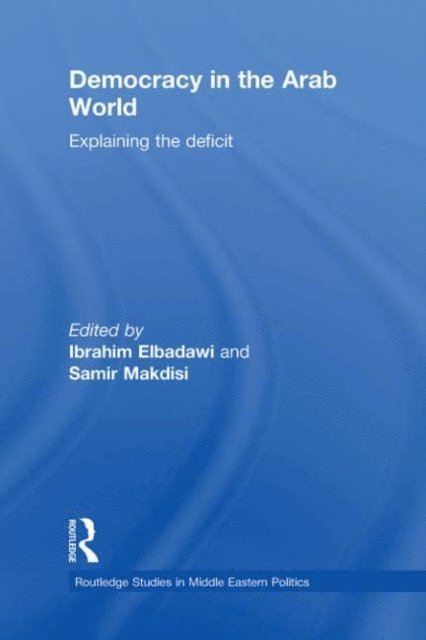
Democracy in the Arab World
Explaining the Deficit
Av Ibrahim Elbadawi, Samir Makdisi
Häftad, 2010
618 kr
Lägg i varukorg
Despite notable socio-economic development in the Arab region, a deficit in democracy and political rights has continued to prevail. This book examines the major reasons underlying the persistence of this democracy deficit over the past decades and touches on the prospects for deepening the process …
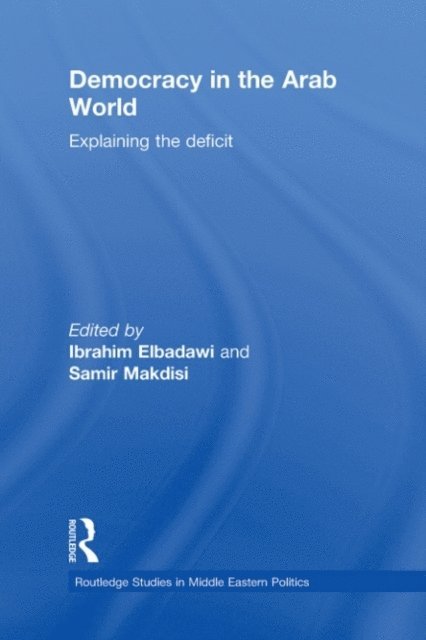
Democracy in the Arab World
Explaining the Deficit
Av Ibrahim Elbadawi, Samir Makdisi
Inbunden, 2010
2510 kr
Lägg i varukorg
Despite notable socio-economic development in the Arab region, a deficit in democracy and political rights has continued to prevail. This book examines the major reasons underlying the persistence of this democracy deficit over the past decades and touches on the prospects for deepening the process …
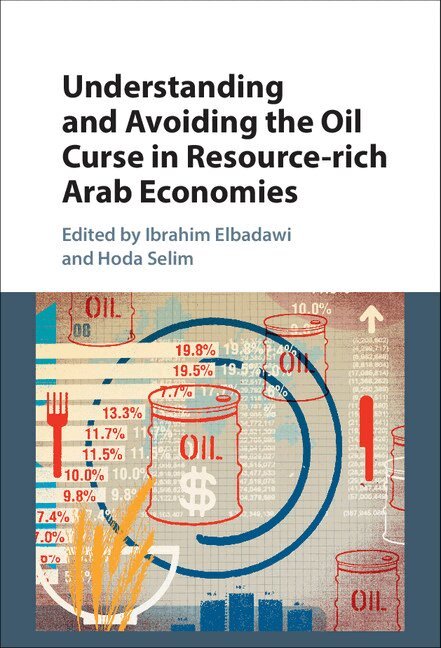
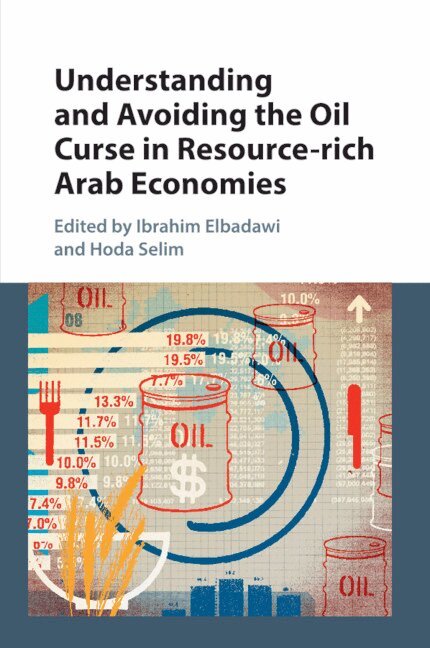
Understanding and Avoiding the Oil Curse in Resource-rich Arab Economies
Av Ibrahim Elbadawi, Hoda Selim
Inbunden, 2016
2214 kr
Lägg i varukorg
For over eighty years the Arab region has derived massive wealth from its natural resources, yet the region's economies remain little diversified, while the oil market is experiencing major structural shifts with the advent of shale gas. Moreover, the resource itself is eventually exhaustible. …
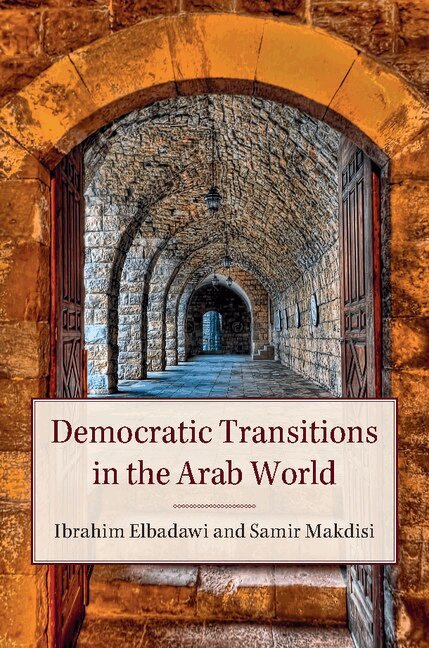
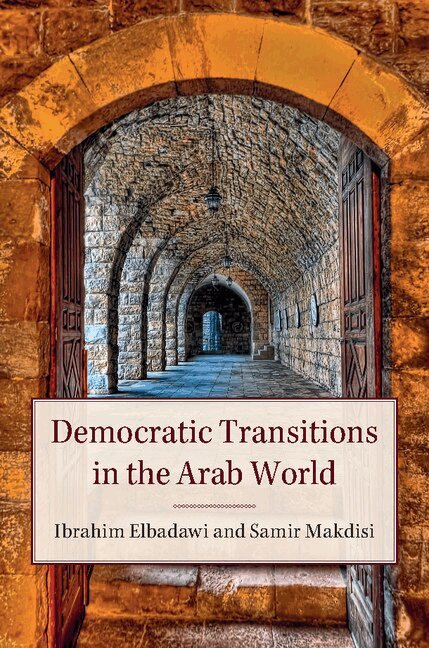
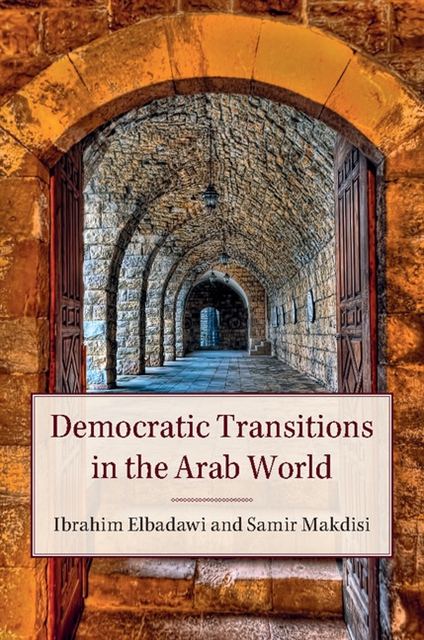
Democratic Transitions in the Arab World
Av Ibrahim Elbadawi, Samir Makdisi
Inbunden, 2017
1514 kr
Lägg i varukorg
In the wake of the unprecedented uprisings that swept across North Africa and the Middle East in late 2010 and 2011, there was much speculation that these events heralded the beginning of a new age of democratic transition across the region. The result of a four-year research project, this book …
Democracy in the Arab World
Explaining the Deficit
Av Samir Makdisi, Ibrahim Elbadawi
E-bok, 2010
727 kr
Lägg i varukorg
Despite notable socio-economic development in the Arab region, a deficit in democracy and political rights has continued to prevail. This book examines the major reasons underlying the persistence of this democracy deficit over the past decades and touches on the prospects for deepening the process …
Democracy in the Arab World
Explaining the Deficit
Av Samir Makdisi, Ibrahim Elbadawi
E-bok, 2010
712 kr
Lägg i varukorg
Despite notable socio-economic development in the Arab region, a deficit in democracy and political rights has continued to prevail. This book examines the major reasons underlying the persistence of this democracy deficit over the past decades and touches on the prospects for deepening the process …
Understanding and Avoiding the Oil Curse in Resource-rich Arab Economies
Av Ibrahim Elbadawi, Hoda Selim m. fl.
Häftad, 2019
787 kr
Lägg i varukorg
For over eighty years the Arab region has derived massive wealth from its natural resources, yet the region's economies remain little diversified, while the oil market is experiencing major structural shifts with the advent of shale gas. Moreover, the resource itself is eventually exhaustible. …
Democratic Transitions in the Arab World
Av Ibrahim Elbadawi, Samir Makdisi
Häftad, 2016
471 kr
Lägg i varukorg
In the wake of the unprecedented uprisings that swept across North Africa and the Middle East in late 2010 and 2011, there was much speculation that these events heralded the beginning of a new age of democratic transition across the region. The result of a four-year research project, this book …
Democratic Transitions in the Arab World
Av Samir Makdisi, Ibrahim Elbadawi
E-bok, 2016
447 kr
Lägg i varukorg
In the wake of the unprecedented uprisings that swept across North Africa and the Middle East in late 2010 and 2011, there was much speculation that these events heralded the beginning of a new age of democratic transition across the region. The result of a four-year research project, this book …
Democratic Transitions in the Arab World
Av Samir Makdisi, Ibrahim Elbadawi
E-bok, 2016
443 kr
Lägg i varukorg
In the wake of the unprecedented uprisings that swept across North Africa and the Middle East in late 2010 and 2011, there was much speculation that these events heralded the beginning of a new age of democratic transition across the region. The result of a four-year research project, this book …