Ichiro Aoki – författare
Visar alla böcker från författaren Ichiro Aoki. Handla med fri frakt och snabb leverans.
5 produkter
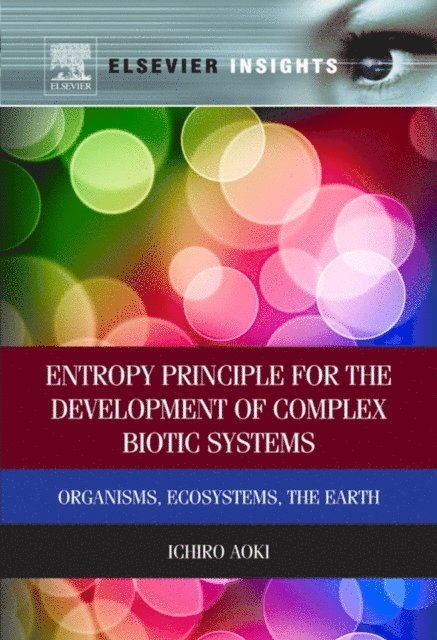
Entropy Principle for the Development of Complex Biotic Systems
Organisms, Ecosystems, the Earth
Av Ichiro Aoki
E-bok, 2012
994 kr
Lägg i varukorg
The concept of entropy in thermodynamics is a complex one, though it is fundamental in understanding physics, the workings of the mind, and biology. Entropy is the measure of the quality of energy, and it can also refer to the turn from order to disorder or randomness in isolated systems. In open …
Entropy Principle for the Development of Complex Biotic Systems
Organisms, Ecosystems, the Earth
Av Ichiro Aoki
Häftad, 2012
790 kr
Lägg i varukorg
The concept of entropy in thermodynamics is a complex one, though it is fundamental in understanding physics, the workings of the mind, and biology. Entropy is the measure of the quality of energy, and it can also refer to the turn from order to disorder or randomness in isolated systems. In open …
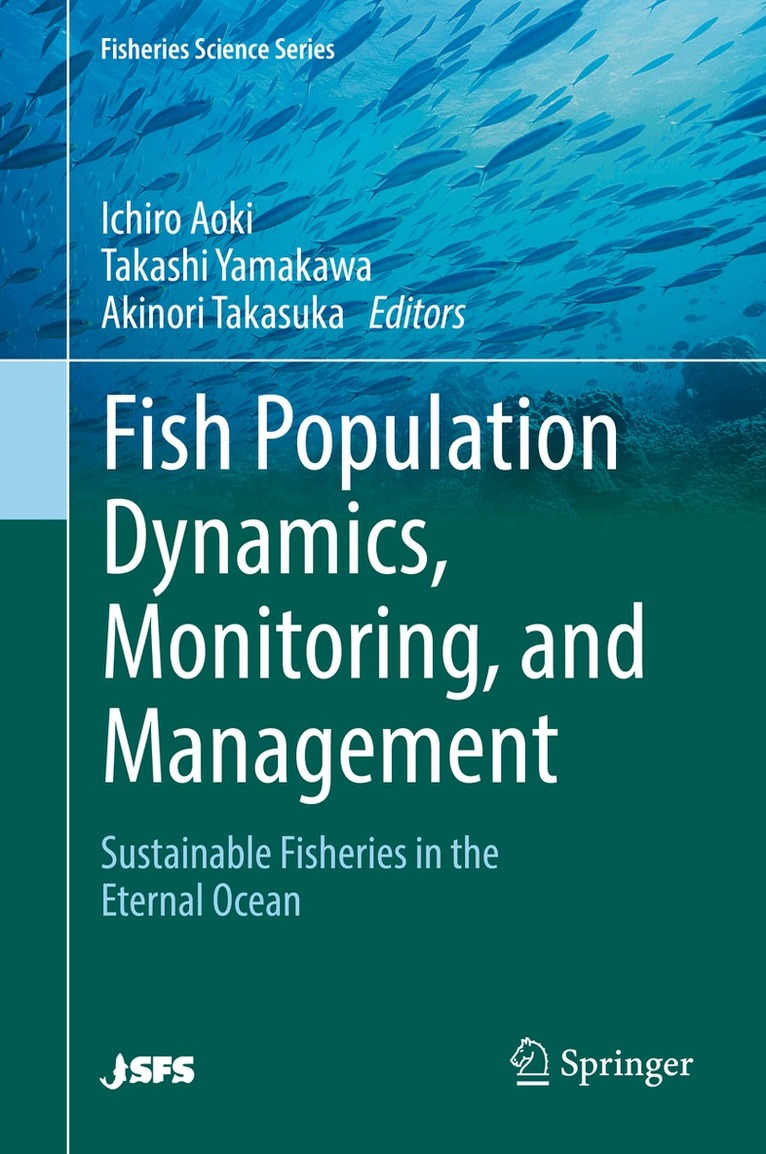
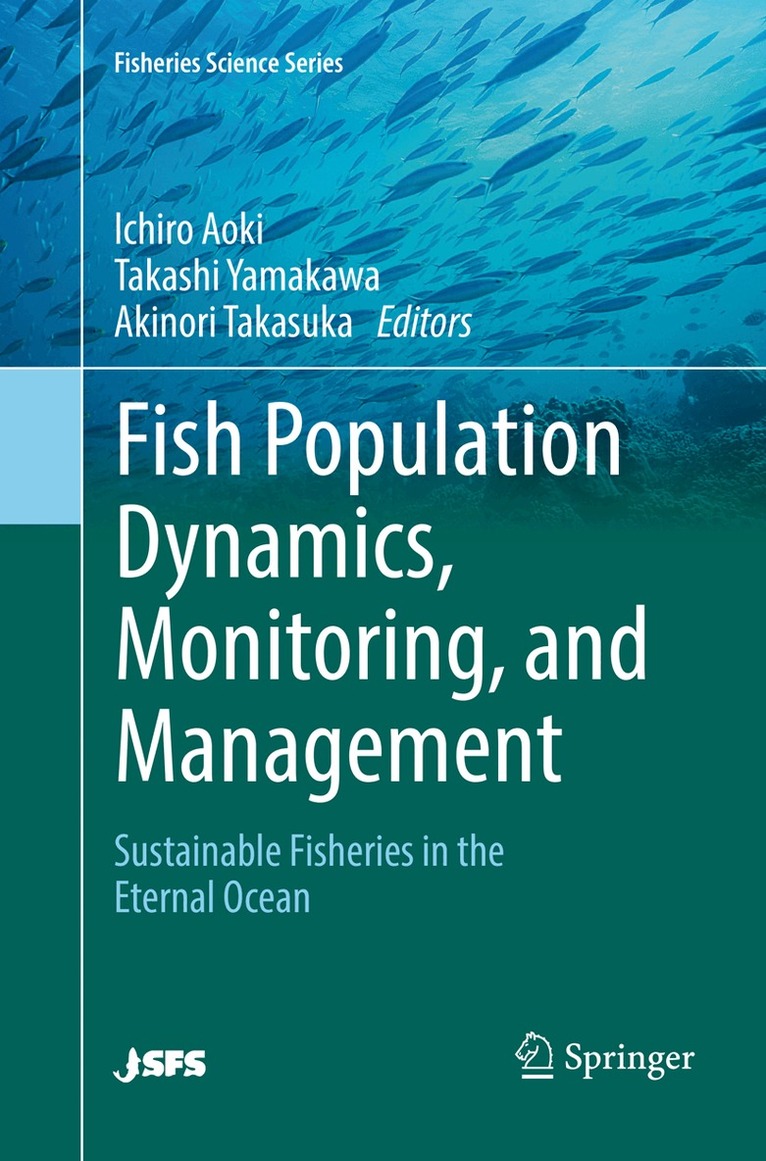
Fish Population Dynamics, Monitoring, and Management
Sustainable Fisheries in the Eternal Ocean
Av Ichiro Aoki, Takashi Yamakawa m. fl.
Inbunden, 2018
1748 kr
Lägg i varukorg
This book explores how we can solve the urgent problem of optimizing the use of variable, uncertain but finite fisheries resources while maintaining sustainability from a marine-ecosystem conservation perspective. It offers readers a broad understanding of the current methods and theory for …
Fish Population Dynamics, Monitoring, and Management
Sustainable Fisheries in the Eternal Ocean
Av Akinori Takasuka, Takashi Yamakawa m. fl.
E-bok, 2018
2274 kr
Lägg i varukorg
This book explores how we can solve the urgent problem of optimizing the use of variable, uncertain but finite fisheries resources while maintaining sustainability from a marine-ecosystem conservation perspective. It offers readers a broad understanding of the current methods and theory for …
Fish Population Dynamics, Monitoring, and Management
Sustainable Fisheries in the Eternal Ocean
Av Ichiro Aoki, Takashi Yamakawa m. fl.
Häftad, 2018
1748 kr
Lägg i varukorg
This book explores how we can solve the urgent problem of optimizing the use of variable, uncertain but finite fisheries resources while maintaining sustainability from a marine-ecosystem conservation perspective. It offers readers a broad understanding of the current methods and theory for …