Idil Atak – författare
Visar alla böcker från författaren Idil Atak. Handla med fri frakt och snabb leverans.
8 produkter
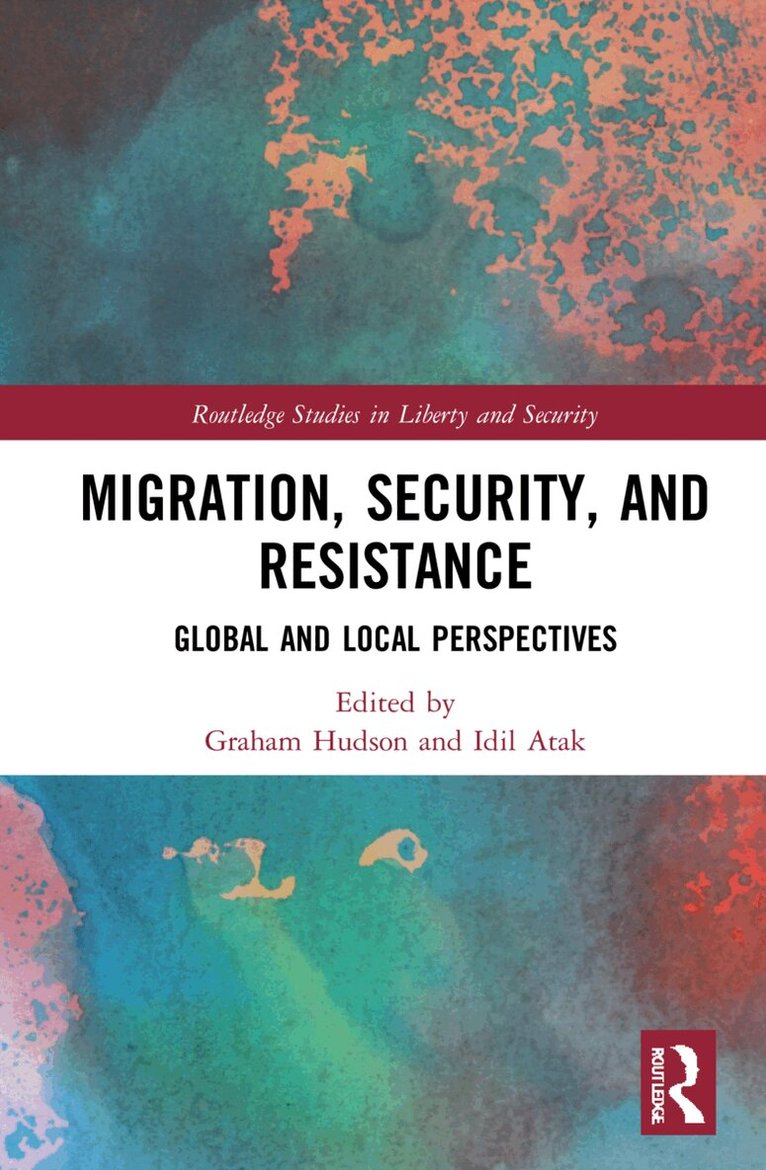
Migration, Security, and Resistance
Global and Local Perspectives
Inbunden, 2021
2521 kr
Lägg i varukorg
This volume explores the digitization, privatization, and spatial displacement of border security and the effects these have on political accountability and migrant rights.The governance of security and migration is unfolding in new political spaces. Cooperation and competition among immigration …
Migration, Security, and Resistance
Global and Local Perspectives
Häftad, 2023
694 kr
Lägg i varukorg
This volume explores the digitization, privatization, and spatial displacement of border security and the effects these have on political accountability and migrant rights.The governance of security and migration is unfolding in new political spaces. Cooperation and competition among immigration …
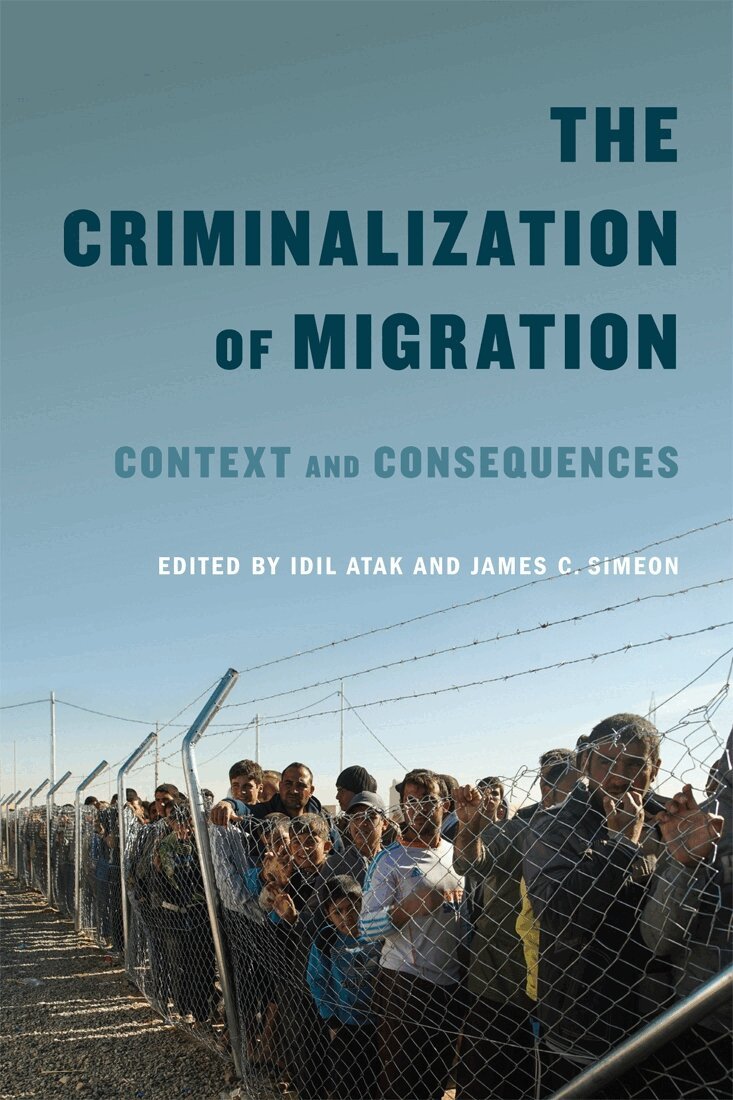
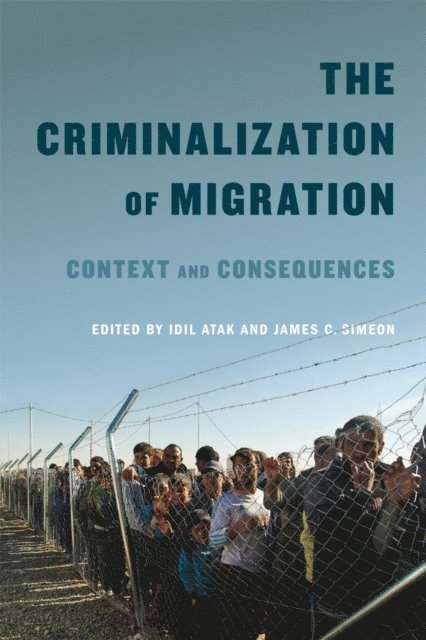
Criminalization of Migration
Context and Consequences
Häftad, 2018
407 kr
Lägg i varukorg
With over 240 million migrants in the world, including over 65 million forced migrants and refugees, states have turned to draconian measures to stem the flow of irregular migration, including the criminalization of migration itself. Canada, perceived as a nation of immigrants and touted as one of …
Criminalization of Migration
Context and Consequences
E-bok, 2018
400 kr
Lägg i varukorg
With over 240 million migrants in the world, including over 65 million forced migrants and refugees, states have turned to draconian measures to stem the flow of irregular migration, including the criminalization of migration itself. Canada, perceived as a nation of immigrants and touted as one of …
Criminalization of Migration
Context and Consequences
E-bok, 2018
400 kr
Lägg i varukorg
With over 240 million migrants in the world, including over 65 million forced migrants and refugees, states have turned to draconian measures to stem the flow of irregular migration, including the criminalization of migration itself. Canada, perceived as a nation of immigrants and touted as one of …
Canada's Anti–Human Trafficking Measures
Origins, Impact, Trends
Av Sasha Baglay, Idil Atak m. fl.
Häftad, 2026
388 kr
Kommande
Canada's Anti–Human Trafficking Measures critically assesses the scope and impact of federal and provincial anti–human trafficking measures over the past twenty years. In 2000, the UN Protocol to Prevent, Suppress and Punish Trafficking in Persons established an international framework for …
Migration, Security, and Resistance
Global and Local Perspectives
E-bok, 2021
814 kr
Lägg i varukorg
This volume explores the digitization, privatization, and spatial displacement of border security and the effects these have on political accountability and migrant rights. The governance of security and migration is unfolding in new political spaces. Cooperation and competition among immigration …
Migration, Security, and Resistance
Global and Local Perspectives
E-bok, 2021
814 kr
Lägg i varukorg
This volume explores the digitization, privatization, and spatial displacement of border security and the effects these have on political accountability and migrant rights. The governance of security and migration is unfolding in new political spaces. Cooperation and competition among immigration …