Igor Pellicciari - Böcker
Visar alla böcker från författaren Igor Pellicciari. Handla med fri frakt och snabb leverans.
4 produkter
4 produkter
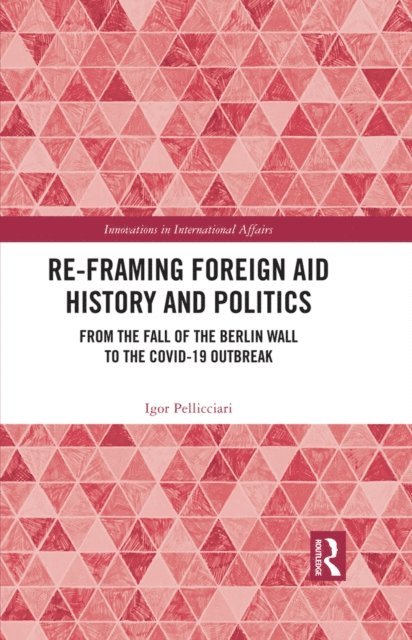
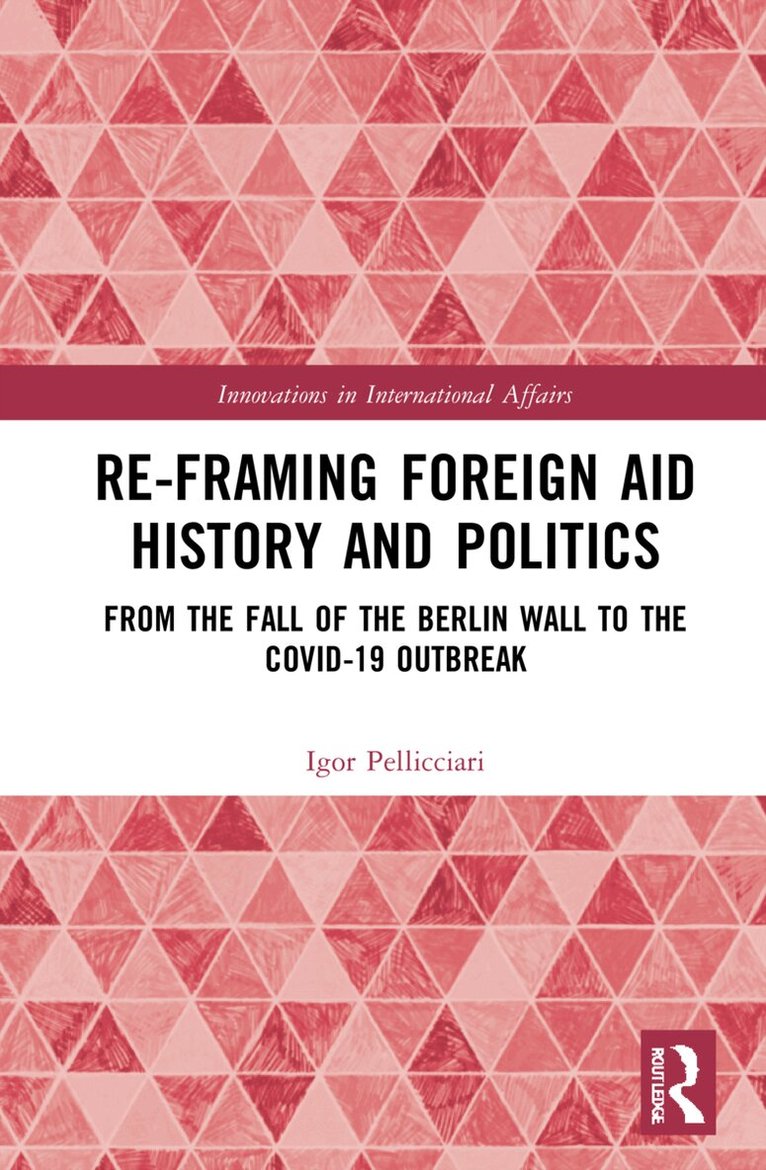
Re-Framing Foreign Aid History and Politics
From the Fall of the Berlin Wall to the COVID-19 Outbreak
Inbunden, Engelska, 2022
2 100 kr
Skickas inom 10-15 vardagar
This book presents an integrated analysis, at once conceptual, historical, and political, of the growing impact of State Funded Aid on international relations, particularly after the collapse of the Berlin Wall and the end of the bipolar system.In order to observe Aid as an emerging instrument of foreign policy, the book develops an original approach which puts Donors and Recipients on the same level and examines the political dynamics of their relationship. The focus shifts from looking at the needs covered by Aid interventions to the political motivations of Donors and Recipients. Aid is reconceptualized to include any transaction on favourable terms between these two parties, regardless of the object of that Aid. This framework of analysis is applied to several historical cases, from the post-conflict transition in Bosnia and Herzegovina and the post-Soviet one in Russia in the 1990s to the medical Aid to Italy and Russian vaccine diplomacy to the Republic of San Marino during the COVID-19 pandemic. In the end, the book identifies ten major trends that have shaped the dynamics of the relationship between Donors and Recipients over the past few decades, and on a more general level, traces the impact that State Funded Aid has had on the international system.By arguing that, on the whole, Donors have had greater political interests than Recipients, the book takes a fresh and original look at Aid as instrument of Power Politics. It will be of great interest to students, scholars, and practitioners of Foreign Aid and foreign policy, and to all those interested in analysing how they have been affected by the global pandemic.
Re-Framing Foreign Aid History and Politics
From the Fall of the Berlin Wall to the COVID-19 Outbreak
Häftad, Engelska, 2024
574 kr
Skickas inom 10-15 vardagar
This book presents an integrated analysis, at once conceptual, historical, and political, of the growing impact of State Funded Aid on international relations, particularly after the collapse of the Berlin Wall and the end of the bipolar system.In order to observe Aid as an emerging instrument of foreign policy, the book develops an original approach which puts Donors and Recipients on the same level and examines the political dynamics of their relationship. The focus shifts from looking at the needs covered by Aid interventions to the political motivations of Donors and Recipients. Aid is reconceptualized to include any transaction on favourable terms between these two parties, regardless of the object of that Aid. This framework of analysis is applied to several historical cases, from the post-conflict transition in Bosnia and Herzegovina and the post-Soviet one in Russia in the 1990s to the medical Aid to Italy and Russian vaccine diplomacy to the Republic of San Marino during the COVID-19 pandemic. In the end, the book identifies ten major trends that have shaped the dynamics of the relationship between Donors and Recipients over the past few decades, and on a more general level, traces the impact that State Funded Aid has had on the international system.By arguing that, on the whole, Donors have had greater political interests than Recipients, the book takes a fresh and original look at Aid as instrument of Power Politics. It will be of great interest to students, scholars, and practitioners of Foreign Aid and foreign policy, and to all those interested in analysing how they have been affected by the global pandemic.
721 kr
Skickas inom 10-15 vardagar
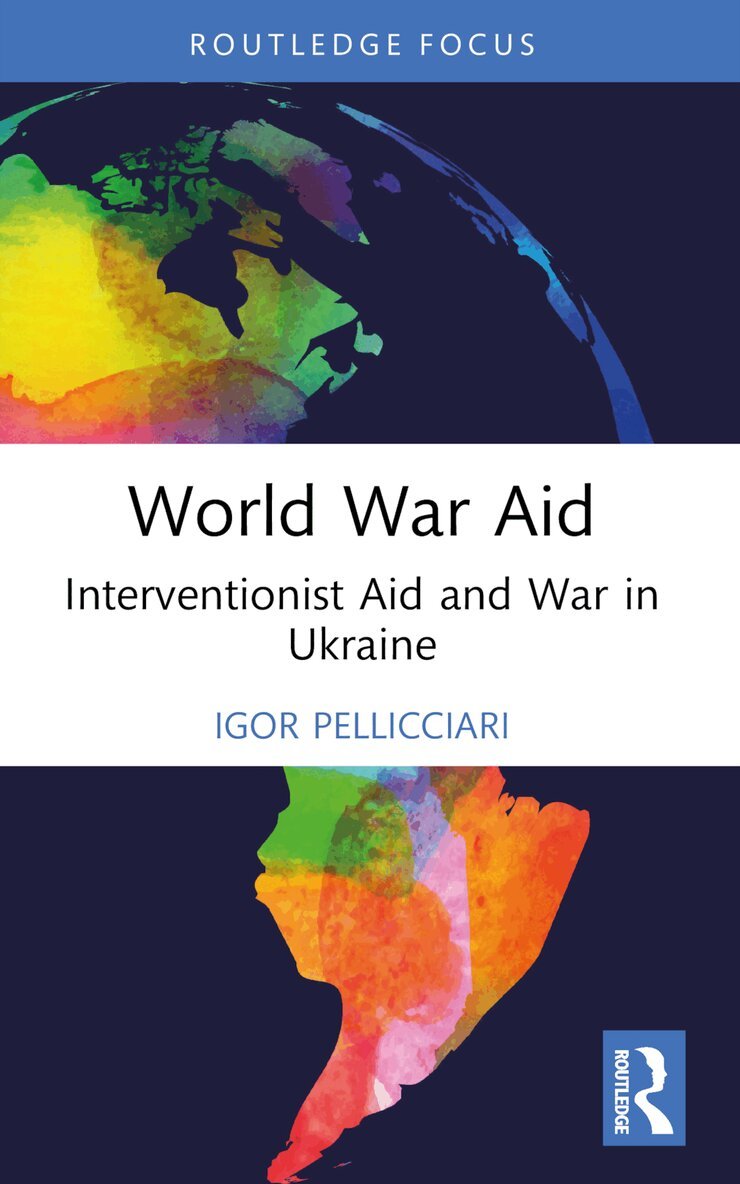
World War Aid offers a novel perspective on the unprecedented aid in the Ukrainian conflict, destined to leave an international "echo" reaching far beyond the individual historical case and the aid sector alone.This book clarifies the evolving scenario of a conflict that, before tanks, had long been fought on the territory of aid. The author makes arguments about aid which can be traced back to three sets of issues: 1) Ukraine’s history from its independence in 1991 until the war in 2022, that witnessed the evolution of inter-state aid sent to Kyiv. This period anticipated the geo-political dispute over the country's future, and was marked by confrontation between donors who would later become the protagonists of the war scenario. 2) The exceptionality of the Ukrainian case is discussed by specifically identifying eight peculiarities of wartime aid: the response speed of Western Bilateral Donors; the leading role and primacy of the latter over the non-governmental sector; the key influence exercised by the Ukrainian recipient; the quantity and diversification of aid involved; Russia’s conversion of aid into hybrid weapons (Weaponization of Aid); the West’s provision of weapons as primary aid (Aidization of Weapons); the excessive anticipation of post-war planning initiatives; and sanctions modeled to represent a new form of aid. 3) Based on these peculiarities, a new model of Interventionist Aid is defined, characterized by a willingness to take an active part in the crisis in which the Donors operate, in order to condition its course and outcome. By preferring tactical purposes to humanitarian ones, and prioritizing military and financial interventions, Interventionist Aid represents an absolute conceptual, political and historical novelty in inter-state aid.A highly original take on a key event of the 21st century, World War Aid is an invaluable text for political scientists, analysts and historians of international relations, as well as diplomats and practitioners of foreign policy and foreign aid.
330 kr
Skickas inom 10-15 vardagar
World War Aid offers a novel perspective on the unprecedented aid in the Ukrainian conflict, destined to leave an international "echo" reaching far beyond the individual historical case and the aid sector alone.This book clarifies the evolving scenario of a conflict that, before tanks, had long been fought on the territory of aid. The author makes arguments about aid which can be traced back to three sets of issues: 1) Ukraine’s history from its independence in 1991 until the war in 2022, that witnessed the evolution of inter-state aid sent to Kyiv. This period anticipated the geo-political dispute over the country's future, and was marked by confrontation between donors who would later become the protagonists of the war scenario. 2) The exceptionality of the Ukrainian case is discussed by specifically identifying eight peculiarities of wartime aid: the response speed of Western Bilateral Donors; the leading role and primacy of the latter over the non-governmental sector; the key influence exercised by the Ukrainian recipient; the quantity and diversification of aid involved; Russia’s conversion of aid into hybrid weapons (Weaponization of Aid); the West’s provision of weapons as primary aid (Aidization of Weapons); the excessive anticipation of post-war planning initiatives; and sanctions modeled to represent a new form of aid. 3) Based on these peculiarities, a new model of Interventionist Aid is defined, characterized by a willingness to take an active part in the crisis in which the Donors operate, in order to condition its course and outcome. By preferring tactical purposes to humanitarian ones, and prioritizing military and financial interventions, Interventionist Aid represents an absolute conceptual, political and historical novelty in inter-state aid.A highly original take on a key event of the 21st century, World War Aid is an invaluable text for political scientists, analysts and historians of international relations, as well as diplomats and practitioners of foreign policy and foreign aid.