
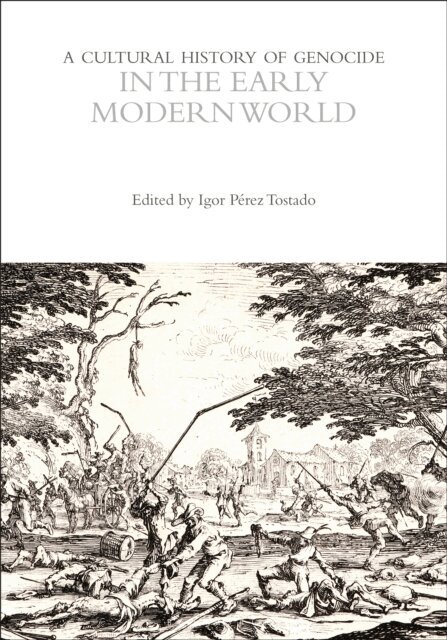
Historical studies of genocide in the 20th century trace the roots back to the sociopolitical, economic, and cultural developments of the early modern period. From globalization to urbanization, to imperialism, state formation and homogenization, from religious warfare to enlightenment, to racism: many factors connected with genocide first emerged or vastly developed between the 15th and 18th centuries. While the early modern period did not have a crime of genocide, it possessed its own legal system which contemplated the rightful destruction of whole peoples, and a political culture that sanctioned the use of mass violence. As a result, early modern genocide has been denied or blurred as a regrettable side effect of the global circulation of ideas, goods, and peoples, and the creation of new societies, cultures, and languages arising from it.This collection looks at the different genocides which unfolded around the globe, emphasizing its gendered dimension and its disproportionate and enduring impact on indigenous populations. Although European imperialism and homogenization play a central role, it aims more widely to cover the principal agents, victims and rationale for genocide in the early modern world. As a whole, this volume aims at fostering the debate on the early modern history of genocide, not as an insulated or secondary subject, but as a central issue of the era with profound implications for our own.
The development of European diplomacy has long been recognised as one of the main achievements of the early modern period. This story of diplomatic accord, however, often fails to take into account the fact that this was an uncertain time ravaged by warfare and upheaval, with states collapsing at an astonishing rate. How did diplomacy work amidst this volatile atmosphere? How did diplomats function when there were multiple semi-legitimate and legitimate forms of authority competing and co-existing?To answer these questions, Igor Pérez Tostado focuses for the first time on informal relations and ad hoc diplomatic channels, and on the shadowy agents, businessmen, assassins, martyrs and self-appointed diplomats that took the place of ambassadors and kings. Based on extensive archival research into hitherto unexplored sources across Europe, Anglo-Spanish Relations During the English Civil Wars offers a decisive and necessary new perspective on the development of both European diplomacy and politics in the 17th century. The wide-ranging and multi-disciplinary focus make this an important book for all scholars of European, British and Iberian history in the early modern period.
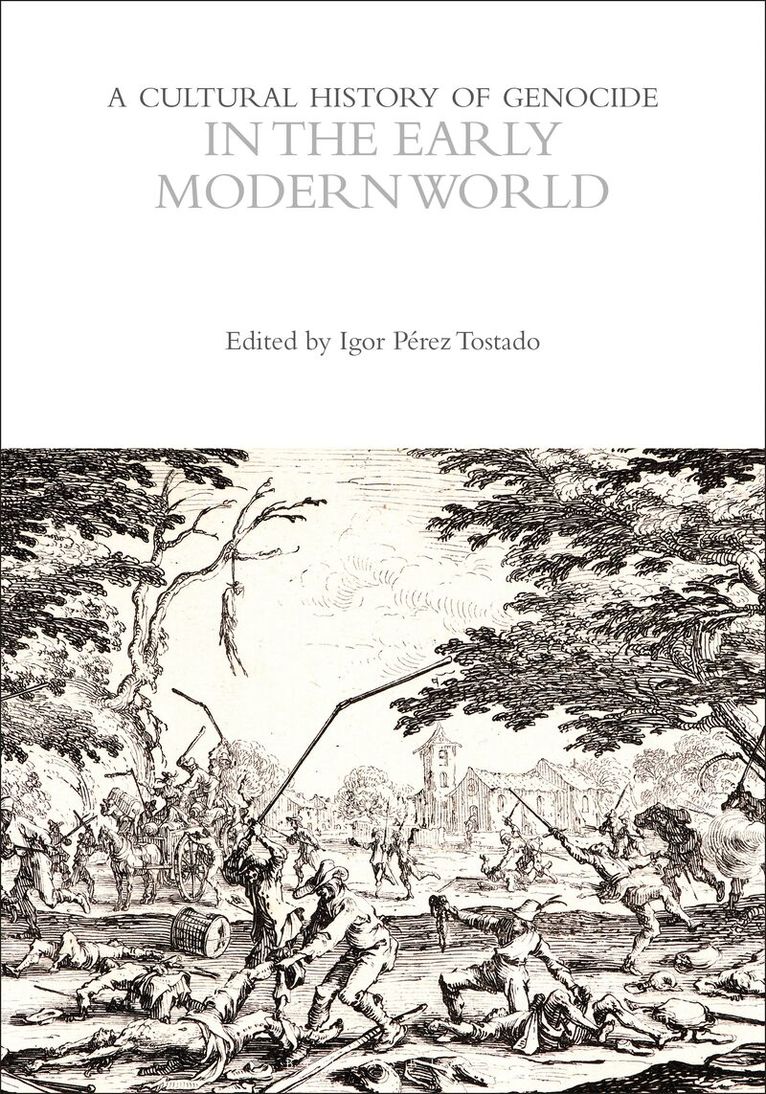
Historical studies of genocide in the 20th century trace the roots back to the sociopolitical, economic, and cultural developments of the early modern period. From globalization to urbanization, to imperialism, state formation and homogenization, from religious warfare to enlightenment, to racism: many factors connected with genocide first emerged or vastly developed between the 15th and 18th centuries. While the early modern period did not have a crime of genocide, it possessed its own legal system which contemplated the rightful destruction of whole peoples, and a political culture that sanctioned the use of mass violence. As a result, early modern genocide has been denied or blurred as a regrettable side effect of the global circulation of ideas, goods, and peoples, and the creation of new societies, cultures, and languages arising from it.This collection looks at the different genocides which unfolded around the globe, emphasizing its gendered dimension and its disproportionate and enduring impact on indigenous populations. Although European imperialism and homogenization play a central role, it aims more widely to cover the principal agents, victims and rationale for genocide in the early modern world. As a whole, this volume aims at fostering the debate on the early modern history of genocide, not as an insulated or secondary subject, but as a central issue of the era with profound implications for our own.
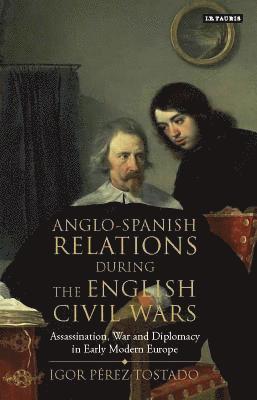
The development of European diplomacy has long been recognised as one of the main achievements of the early modern period. This story of diplomatic accord, however, often fails to take into account the fact that this was an uncertain time ravaged by warfare and upheaval, with states collapsing at an astonishing rate. How did diplomacy work amidst this volatile atmosphere? How did diplomats function when there were multiple semi-legitimate and legitimate forms of authority competing and co-existing?To answer these questions, Igor Pérez Tostado focuses for the first time on informal relations and ad hoc diplomatic channels, and on the shadowy agents, businessmen, assassins, martyrs and self-appointed diplomats that took the place of ambassadors and kings. Based on extensive archival research into hitherto unexplored sources across Europe, Anglo-Spanish Relations During the English Civil Wars offers a decisive and necessary new perspective on the development of both European diplomacy and politics in the 17th century. The wide-ranging and multi-disciplinary focus make this an important book for all scholars of European, British and Iberian history in the early modern period.