Ilaria Scaglia - Böcker
Visar alla böcker från författaren Ilaria Scaglia. Handla med fri frakt och snabb leverans.
4 produkter
4 produkter
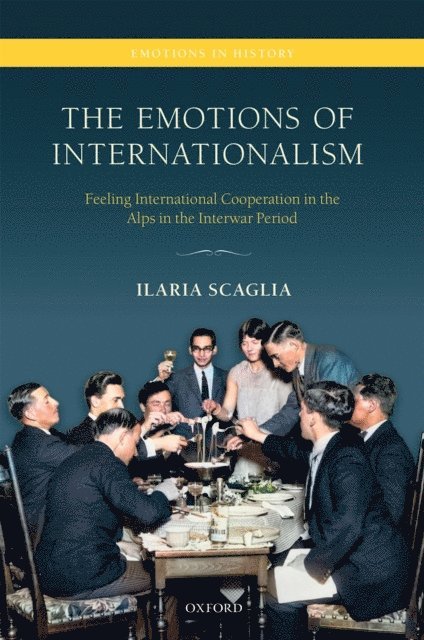
The Emotions of Internationalism
Feeling International Cooperation in the Alps in the Interwar Period
Inbunden, Engelska, 2019
1 375 kr
Skickas inom 5-8 vardagar
The Emotions of Internationalism follows a number of international people and institutions active in the Alps in the 1920s and 1930s, exploring how they understood emotions and how they tried to employ them to achieve their political and non-political goals. Through the analysis of a broad spectrum of unpublished archival materials in four languages (English, French, Italian, and German), this study takes readers on an evocative, historical journey through the Alps. A wide range of characters populate its pages, from Heidi and the protagonists of novels and films set on the mountains, to Woodrow Wilson and other high-level political figures active both inside and outside of the League of Nations, to the alpinists and climbers engaged in hikes and international congresses, to the many children involved in camping trips, to the countless patients of the sanatoria for the treatment of tuberculosis which for decades used to dot alpine villages and to excite the popular imagination. At the centre of the volume are people's emotions-real and imagined-from the resentment left after the First World War to the 'friendship' evoked in speeches and concretely implemented in a number of alpine settings for a variety of purposes, to the 'joy' that contemporaries saw as the key to navigating the complexities of 'modernity' and to avoiding another war. The result is a compelling overview of the institutions and people involved in international cooperation in the 1920s and 1930s, understood through the lens of the history of emotions.
The Emotions of Internationalism
Feeling International Cooperation in the Alps in the Interwar Period
Häftad, Engelska, 2025
426 kr
Skickas inom 5-8 vardagar
The Emotions of Internationalism follows a number of international people and institutions active in the Alps in the 1920s and 1930s, exploring how they understood emotions and how they tried to employ them to achieve their political and non-political goals. Through the analysis of a broad spectrum of unpublished archival materials in four languages (English, French, Italian, and German), this study takes readers on an evocative, historical journey through the Alps. A wide range of characters populate its pages, from Heidi and the protagonists of novels and films set on the mountains, to Woodrow Wilson and other high-level political figures active both inside and outside of the League of Nations, to the alpinists and climbers engaged in hikes and international congresses, to the many children involved in camping trips, to the countless patients of the sanatoria for the treatment of tuberculosis which for decades used to dot alpine villages and to excite the popular imagination.At the centre of the volume are people's emotions - real and imagined - from the resentment left after the First World War to the 'friendship' evoked in speeches and concretely implemented in a number of alpine settings for a variety of purposes, to the 'joy' that contemporaries saw as the key to navigating the complexities of 'modernity' and to avoiding another war. The result is a compelling overview of the institutions and people involved in international cooperation in the 1920s and 1930s, understood through the lens of the history of emotions.
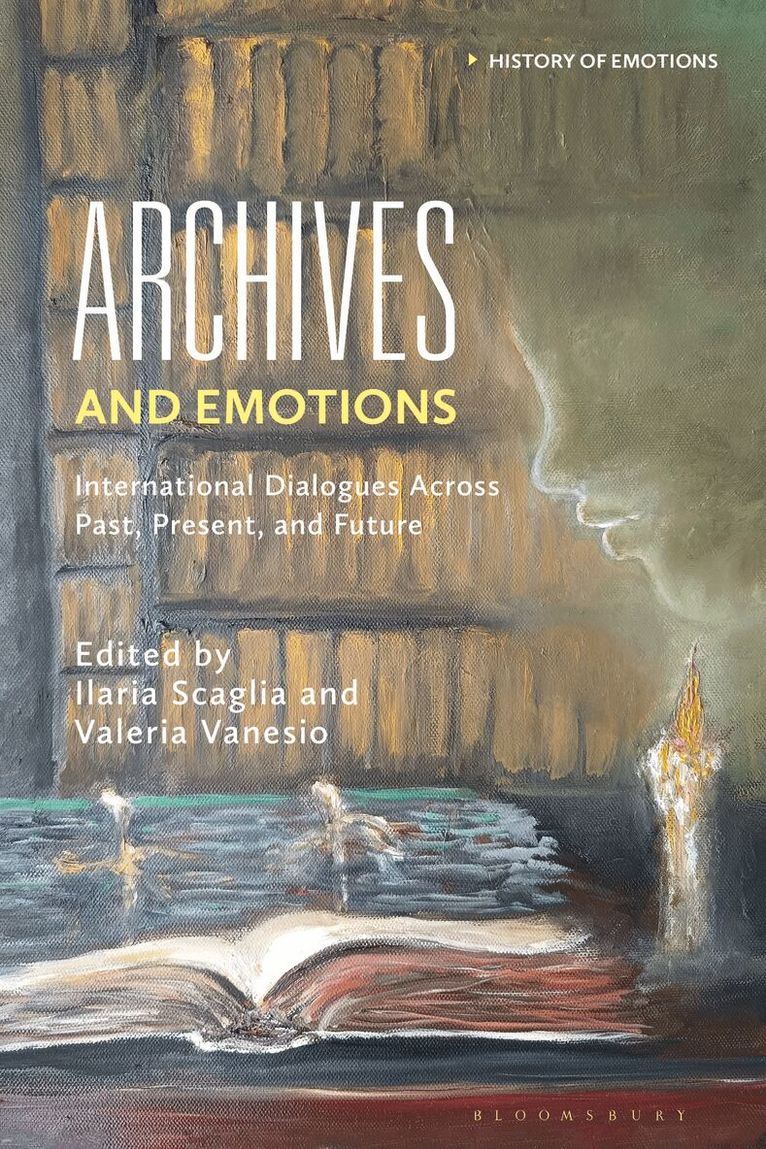
Archives and Emotions
International Dialogues Across Past, Present, and Future
Inbunden, Engelska, 2024
1 177 kr
Skickas inom 10-15 vardagar
WINNER OF THE SOCIETY OF AMERICAN ARCHIVISTS’ WALDO GIFFORD LELAND AWARD FOR EXCELLENCE AND USEFULNESS IN ARCHIVAL HISTORY, THEORY, AND PRACTICE 2025Archives and Emotions argues, at its most fundamental level, that emotions matter and have always mattered to both the people whose histories are documented by archives and to those working with the documents these contain. This is the first study to put archivists and historians—scholars and practitioners from different settings, geographical provenance, and stages of career—in conversation with one another to examine the interplay of a broad range of emotions and archives, traditional and digital, from the eighteenth to the twenty-first centuries across national and disciplinary borders.Drawing on methodologies from the history of emotions and critical archival studies, this book provides an original analysis of two interconnected themes through a selected number of case studies: the emotional dynamics affecting the construction and management of archives; and the emotions and their effects on the people engaging with them, such as archivists, researchers, and a broad range of communities.Its main message is that critically investigating the history and mechanics of emotions—including their suppression and exclusion—also being conscious of their effects on people and societies is essential to understanding how archives came to hold deep civic and ethical implications for both present and future. This study thus establishes a solid base for future scholarship and interdisciplinary collaborations and challenges academic and non-academic readers to think, work, and train new generations differently, fully aware that past and present choices have—and might again—hurt, inspire, empower, or silence.
499 kr
Kommande
WINNER OF THE SOCIETY OF AMERICAN ARCHIVISTS’ WALDO GIFFORD LELAND AWARD FOR EXCELLENCE AND USEFULNESS IN ARCHIVAL HISTORY, THEORY, AND PRACTICE 2025Archives and Emotions argues, at its most fundamental level, that emotions matter and have always mattered to both the people whose histories are documented by archives and to those working with the documents these contain. This is the first study to put archivists and historians—scholars and practitioners from different settings, geographical provenance, and stages of career—in conversation with one another to examine the interplay of a broad range of emotions and archives, traditional and digital, from the eighteenth to the twenty-first centuries across national and disciplinary borders.Drawing on methodologies from the history of emotions and critical archival studies, this book provides an original analysis of two interconnected themes through a selected number of case studies: the emotional dynamics affecting the construction and management of archives; and the emotions and their effects on the people engaging with them, such as archivists, researchers, and a broad range of communities.Its main message is that critically investigating the history and mechanics of emotions—including their suppression and exclusion—also being conscious of their effects on people and societies is essential to understanding how archives came to hold deep civic and ethical implications for both present and future. This study thus establishes a solid base for future scholarship and interdisciplinary collaborations and challenges academic and non-academic readers to think, work, and train new generations differently, fully aware that past and present choices have—and might again—hurt, inspire, empower, or silence.