Ilya Zrudlo – författare
Visar alla böcker från författaren Ilya Zrudlo. Handla med fri frakt och snabb leverans.
3 produkter
3 produkter
Inbunden, Engelska, 2026
1 213 kr
Skickas inom 10-15 vardagar
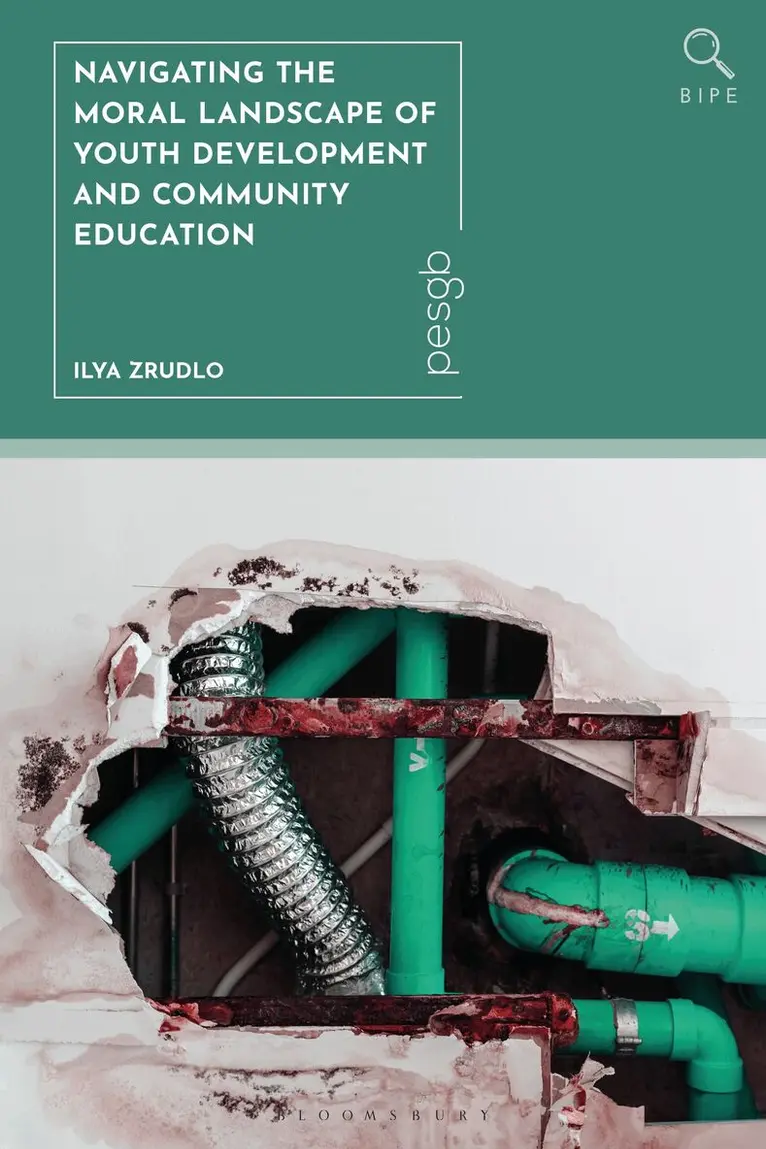
This book analyses the language used and approaches employed by community education organizations, focusing on the values that educators and practitioners promote among the young people in their care.Young people participating in nonformal community education programs are encouraged by staff to identify with certain ideas or values: “Acquire life skills, become an entrepreneur!” “Fight for your rights!”, “Discover your true self!”, “Get out of the house and re-establish your connection with nature!”. Whether implicitly or explicitly, these messages are imbued with values.Based on a study of 12 community organizations in North America, this book identifies four “ethical frames”: the ethical frame of the entrepreneur, of the activist, the artist, and the naturalist. Ilya Zrudlo argues that while each of these frames brings strengths to community education, they also carry certain ethical and educational ambiguities that render them ultimately inadequate, whether alone or in combination. Drawing on the work of philosophers including Hannah Arendt, Simone Weil, Iris Murdoch, Mary Midgeley and Charles Taylor, Zrudlo offers guidance for community organizations, policy makers, and researchers when navigating the moral landscape of nonformal youth education.
E-bok
PDF, Engelska, 20251 168 kr
Läs direkt efter köp
This book analyses the language used and approaches employed by community education organizations, focusing on the values that educators and practitioners promote among the young people in their care.Young people participating in nonformal community education programs are encouraged by staff to identify with certain ideas or values: Acquire life skills, become an entrepreneur! Fight for your rights! , Discover your true self! , Get out of the house and re-establish your connection with nature! . Whether implicitly or explicitly, these messages are imbued with values.Based on a study of 12 community organizations in North America, this book identifies four ethical frames : the ethical frame of the entrepreneur, of the activist, the artist, and the naturalist. Ilya Zrudlo argues that while each of these frames brings strengths to community education, they also carry certain ethical and educational ambiguities that render them ultimately inadequate, whether alone or in combination. Drawing on the work of philosophers including Hannah Arendt, Simone Weil, Iris Murdoch, Mary Midgeley and Charles Taylor, Zrudlo offers guidance for community organizations, policy makers, and researchers when navigating the moral landscape of nonformal youth education.
E-bok
Engelska, 20251 127 kr
Läs direkt efter köp
This book analyses the language used and approaches employed by community education organizations, focusing on the values that educators and practitioners promote among the young people in their care.Young people participating in nonformal community education programs are encouraged by staff to identify with certain ideas or values: Acquire life skills, become an entrepreneur! Fight for your rights! , Discover your true self! , Get out of the house and re-establish your connection with nature! . Whether implicitly or explicitly, these messages are imbued with values.Based on a study of 12 community organizations in North America, this book identifies four ethical frames : the ethical frame of the entrepreneur, of the activist, the artist, and the naturalist. Ilya Zrudlo argues that while each of these frames brings strengths to community education, they also carry certain ethical and educational ambiguities that render them ultimately inadequate, whether alone or in combination. Drawing on the work of philosophers including Hannah Arendt, Simone Weil, Iris Murdoch, Mary Midgeley and Charles Taylor, Zrudlo offers guidance for community organizations, policy makers, and researchers when navigating the moral landscape of nonformal youth education.