Inam Ullah Khan – författare
918 kr
Läs direkt efter köp
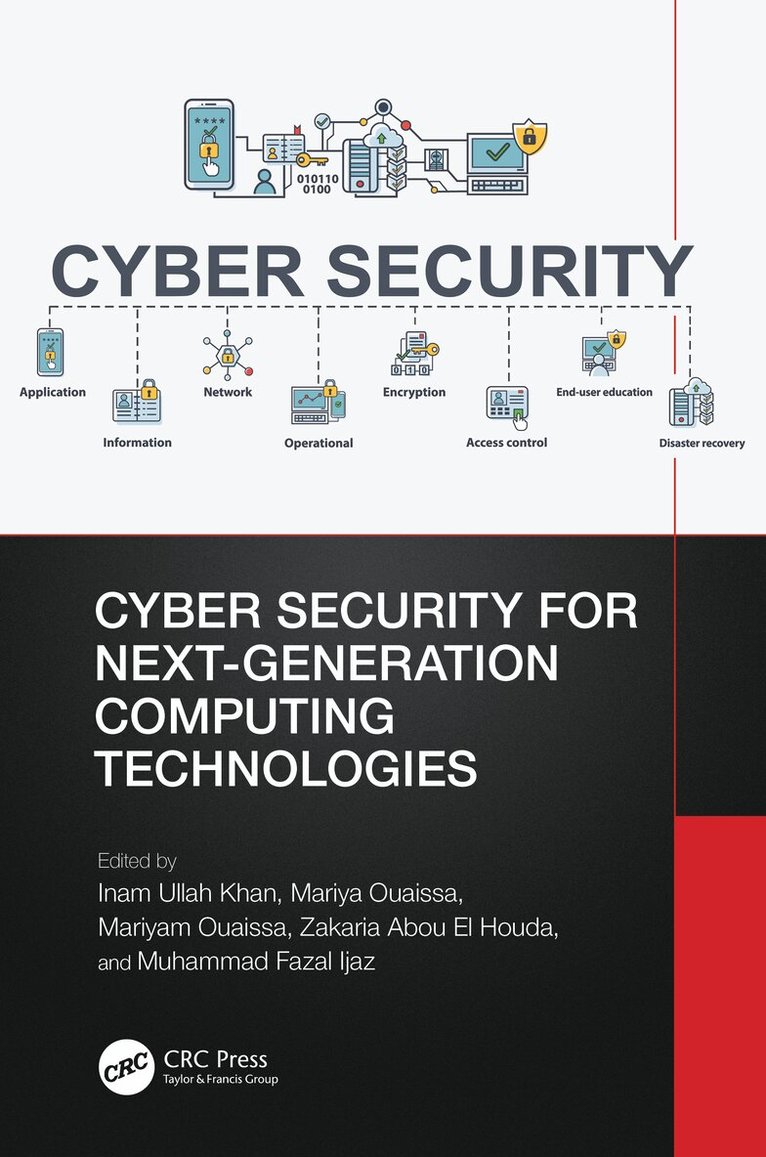
This book sheds light on the cyber security challenges associated with nextgeneration computing technologies, emphasizing the serious threats posed to individuals, businesses, and nations. With everything becoming increasingly interconnected via the Internet, data security becomes paramount. As technology advances, people need to secure their data communication processes. Personal data security, including data integrity and confidentiality, is particularly vulnerable. Therefore, the concept of cyber security forensics emerges to ensure data security for everyone, addressing issues such as data control, hijacking, and threats to personal devices such as mobile phones, laptops, and other smart technologies. This book covers key topics related to cyber security in next-generation computing technologies, ultimately enhancing the quality of life for citizens, facilitating interaction with smart governments, and promoting secure communication processes.
KEY FEATURES
Highlights innovative principles and practices using next generation computing technologies based cybersecurity Presents an introduction to recent trends regarding the convergence of AI/ML in cybersecurity Offers an overview of theoretical, practical, simulation concepts of cybersecurity918 kr
Läs direkt efter köp
This book sheds light on the cyber security challenges associated with nextgeneration computing technologies, emphasizing the serious threats posed to individuals, businesses, and nations. With everything becoming increasingly interconnected via the Internet, data security becomes paramount. As technology advances, people need to secure their data communication processes. Personal data security, including data integrity and confidentiality, is particularly vulnerable. Therefore, the concept of cyber security forensics emerges to ensure data security for everyone, addressing issues such as data control, hijacking, and threats to personal devices such as mobile phones, laptops, and other smart technologies. This book covers key topics related to cyber security in next-generation computing technologies, ultimately enhancing the quality of life for citizens, facilitating interaction with smart governments, and promoting secure communication processes.
KEY FEATURES
Highlights innovative principles and practices using next generation computing technologies based cybersecurity Presents an introduction to recent trends regarding the convergence of AI/ML in cybersecurity Offers an overview of theoretical, practical, simulation concepts of cybersecurity2 128 kr
Skickas inom 10-15 vardagar
821 kr
Skickas inom 10-15 vardagar
1 972 kr
Skickas inom 10-15 vardagar
2 646 kr
Skickas inom 10-15 vardagar
2 433 kr
Skickas inom 10-15 vardagar
1 762 kr
Skickas inom 10-15 vardagar
2 659 kr
Skickas inom 10-15 vardagar
779 kr
Skickas inom 10-15 vardagar
793 kr
Kommande
2 056 kr
Skickas inom 10-15 vardagar
2 421 kr
Skickas inom 10-15 vardagar
962 kr
Skickas inom 10-15 vardagar
751 kr
Skickas inom 10-15 vardagar
1 742 kr
Skickas inom 10-15 vardagar
990 kr
Skickas inom 10-15 vardagar
966 kr
Skickas inom 10-15 vardagar
860 kr
Läs direkt efter köp
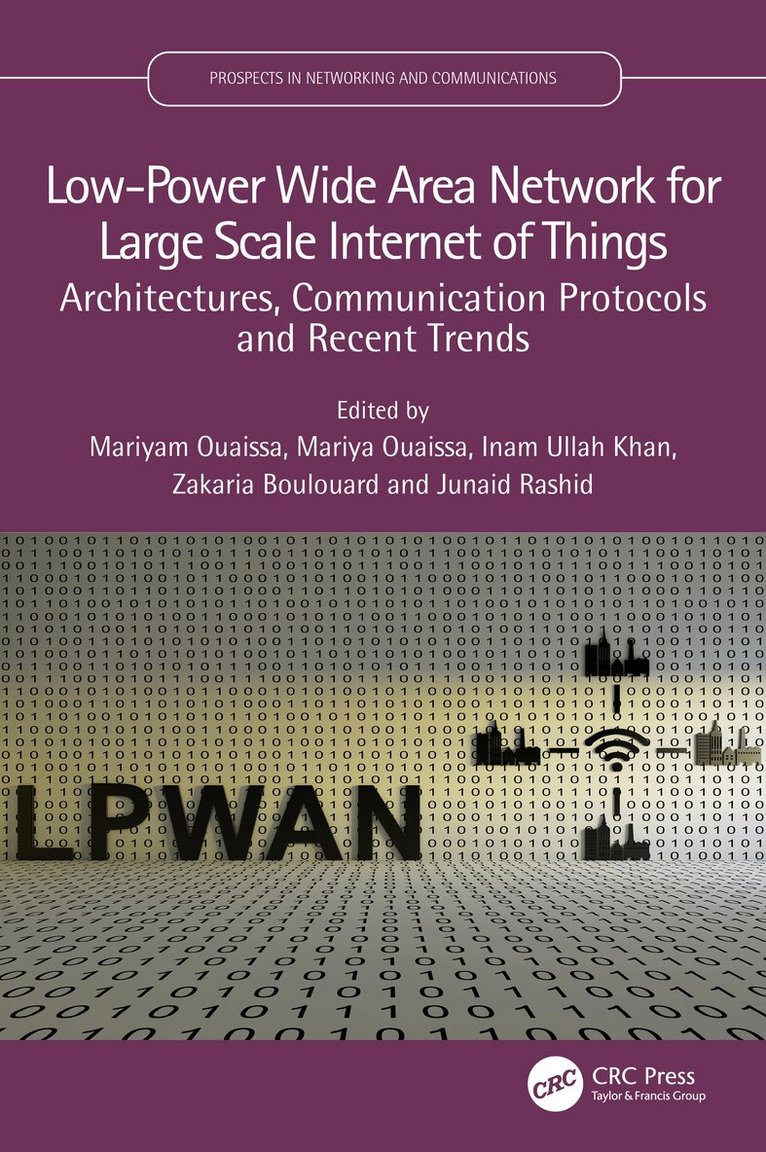
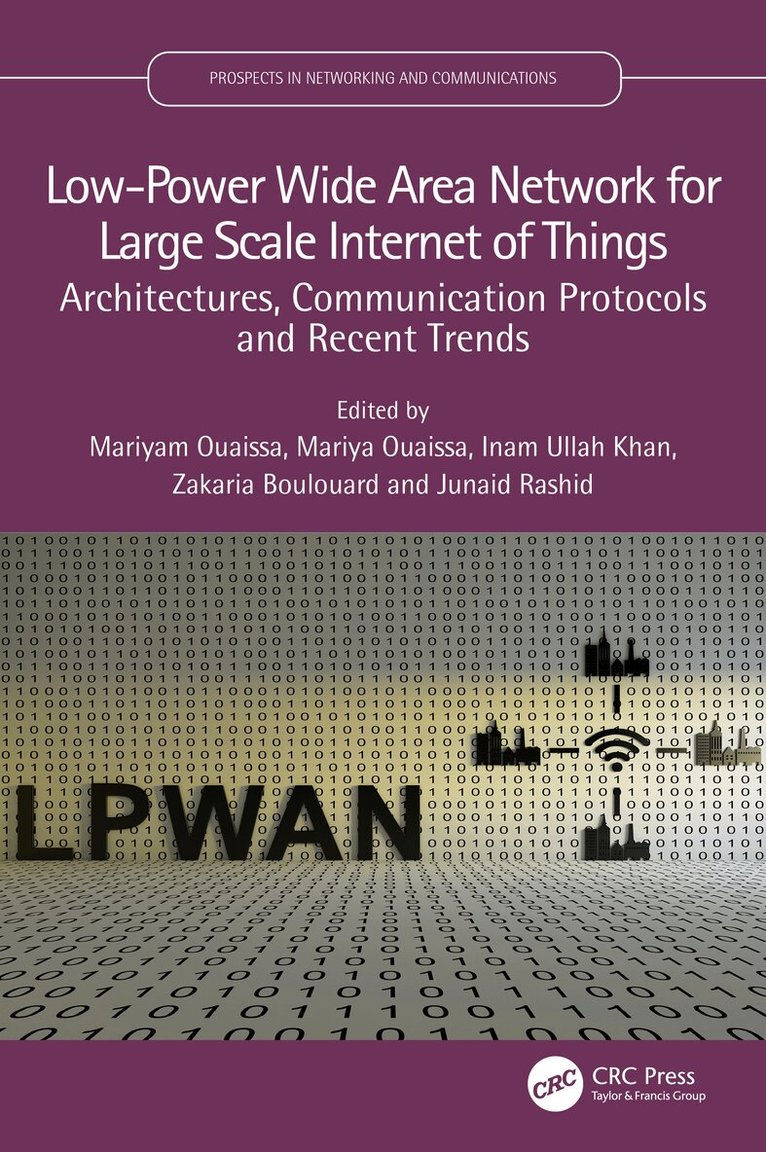
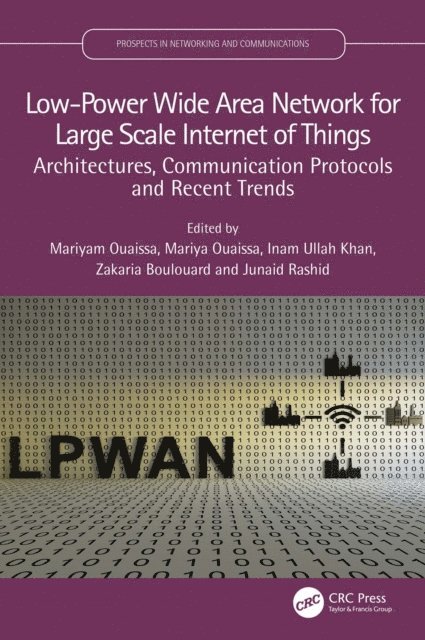
This book presents a comprehensive exploration of LPWANs, delving into their fundamental concepts, underlying technologies, and the multifaceted challenges they tackle. This book recognizes that LPWANs don''t operate in isolation; they are intimately intertwined with Artificial Intelligence and Machine Learning (AI/ML) technologies, which play a pivotal role in optimizing LPWAN performance and capabilities. The book is a collection of original contributions regarding air interface, transmission technologies and novel network architectures, such as network slicing, cloud/fog/edge computing, ad hoc networks and software-defined network. Also, this book provides a guide for researchers of IoT applications to choose suitable LPWAN technologies and describe the design aspects, network architectures, security issues and challenges.
Features:
Explains machine learning algorithms onto low-power wide area network sensors for compressed communications. Illustrates wireless-based Internet of Things networks using low-power wide area networks technology for quality air. Presents cognitive Internet of Things networks using wireless communication, and low-power wide area network technologies for Ad Hoc networks. Discusses a comprehensive study of low-power wide area networks for flying Ad Hoc networks. Showcases the study of energy efficient techniques aided by low-power wide area network technologies for the Internet of Things networks.The text is aimed at senior undergraduate, graduate students, and academic researchers in the fields of electrical engineering, electronics and communication engineering, computer engineering, and information technology.
891 kr
Läs direkt efter köp
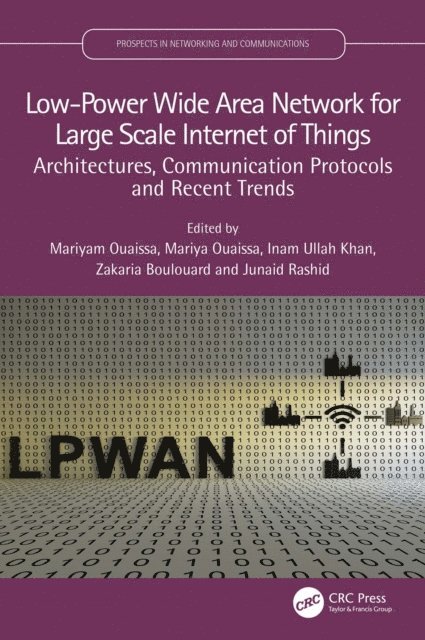
This book presents a comprehensive exploration of LPWANs, delving into their fundamental concepts, underlying technologies, and the multifaceted challenges they tackle. This book recognizes that LPWANs don''t operate in isolation; they are intimately intertwined with Artificial Intelligence and Machine Learning (AI/ML) technologies, which play a pivotal role in optimizing LPWAN performance and capabilities. The book is a collection of original contributions regarding air interface, transmission technologies and novel network architectures, such as network slicing, cloud/fog/edge computing, ad hoc networks and software-defined network. Also, this book provides a guide for researchers of IoT applications to choose suitable LPWAN technologies and describe the design aspects, network architectures, security issues and challenges.
Features:
Explains machine learning algorithms onto low-power wide area network sensors for compressed communications. Illustrates wireless-based Internet of Things networks using low-power wide area networks technology for quality air. Presents cognitive Internet of Things networks using wireless communication, and low-power wide area network technologies for Ad Hoc networks. Discusses a comprehensive study of low-power wide area networks for flying Ad Hoc networks. Showcases the study of energy efficient techniques aided by low-power wide area network technologies for the Internet of Things networks.The text is aimed at senior undergraduate, graduate students, and academic researchers in the fields of electrical engineering, electronics and communication engineering, computer engineering, and information technology.
942 kr
Läs direkt efter köp
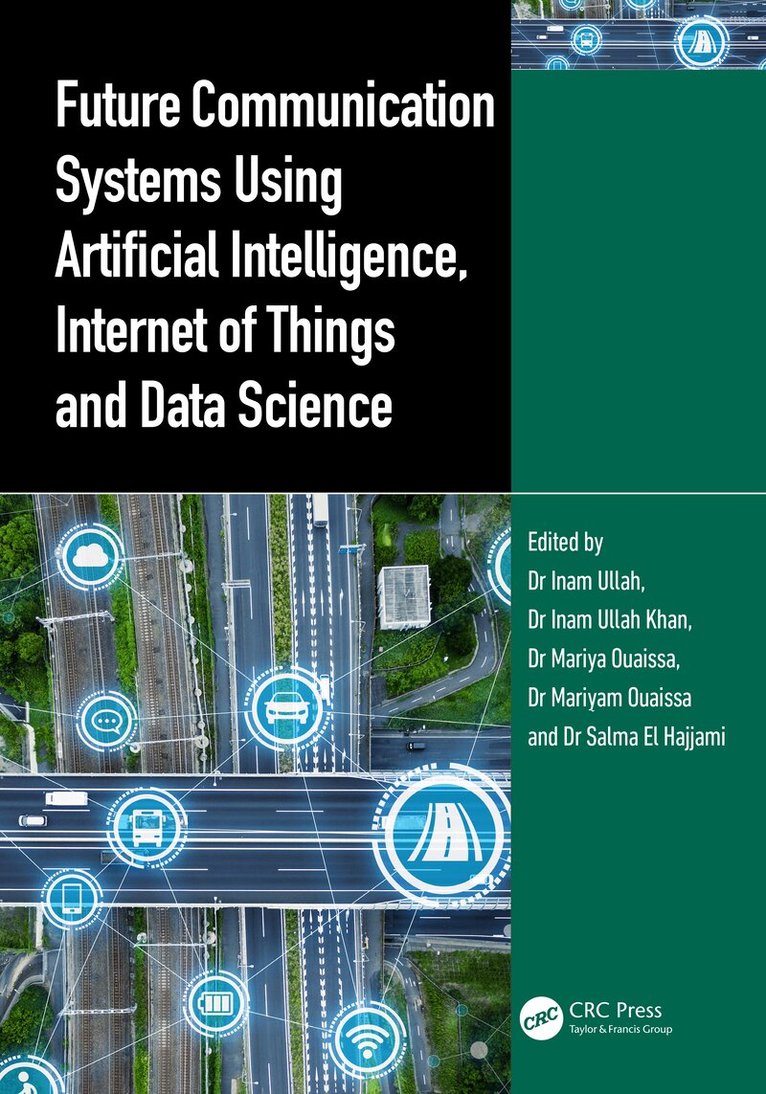
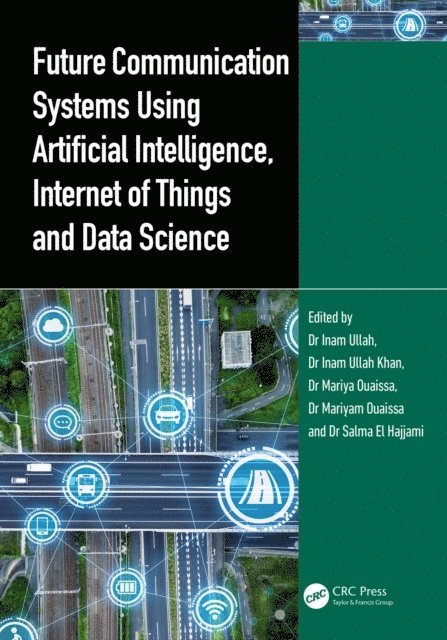
Future Communication Systems Using Artificial Intelligence, Internet of Things and Data Science mainly focuses on the techniques of artificial intelligence (AI), Internet of Things (IoT) and data science for future communications systems.
The goal of AI, IoT and data science for future communications systems is to create a venue for industry and academics to collaborate on the development of network and system solutions based on data science, AI and IoT. Recent breakthroughs in IoT, mobile and fixed communications and computation have paved the way for a data‑centric society of the future. New applications are increasingly reliant on machine‑to‑machine connections, resulting in unusual workloads and the need for more efficient and dependable infrastructures. Such a wide range of traffic workloads and applications will necessitate dynamic and highly adaptive network environments capable of self‑optimization for the task at hand while ensuring high dependability and ultra‑low latency.
Networking devices, sensors, agents, meters and smart vehicles/systems generate massive amounts of data, necessitating new levels of security, performance and dependability. Such complications necessitate the development of new tools and approaches for providing successful services, management and operation. Predictive network analytics will play a critical role in insight generation, process automation required for adapting and scaling to new demands, resolving issues before they impact operational performance (e.g., preventing network failures and anticipating capacity requirements) and overall network decision‑making. To increase user experience and service quality, data mining and analytic techniques for inferring quality of experience (QoE) signals are required.
AI, IoT, machine learning, reinforcement learning and network data analytics innovations open new possibilities in areas such as channel modeling and estimation, cognitive communications, interference alignment, mobility management, resource allocation, network control and management, network tomography, multi‑agent systems and network ultra‑broadband deployment prioritization. These new analytic platforms will aid in the transformation of our networks and user experience. Future networks will enable unparalleled automation and optimization by intelligently gathering, analyzing, learning and controlling huge volumes of information.
909 kr
Läs direkt efter köp
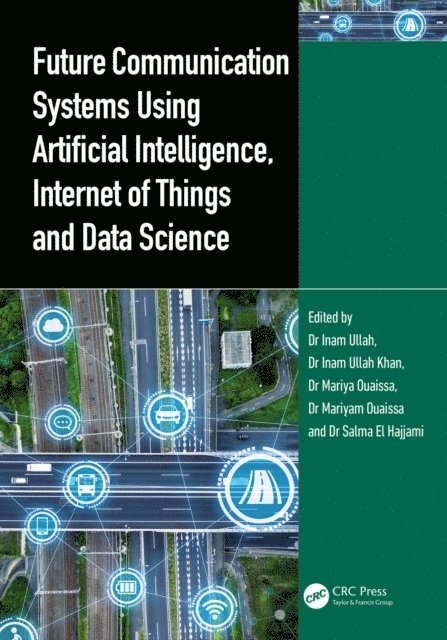
Future Communication Systems Using Artificial Intelligence, Internet of Things and Data Science mainly focuses on the techniques of artificial intelligence (AI), Internet of Things (IoT) and data science for future communications systems.
The goal of AI, IoT and data science for future communications systems is to create a venue for industry and academics to collaborate on the development of network and system solutions based on data science, AI and IoT. Recent breakthroughs in IoT, mobile and fixed communications and computation have paved the way for a data‑centric society of the future. New applications are increasingly reliant on machine‑to‑machine connections, resulting in unusual workloads and the need for more efficient and dependable infrastructures. Such a wide range of traffic workloads and applications will necessitate dynamic and highly adaptive network environments capable of self‑optimization for the task at hand while ensuring high dependability and ultra‑low latency.
Networking devices, sensors, agents, meters and smart vehicles/systems generate massive amounts of data, necessitating new levels of security, performance and dependability. Such complications necessitate the development of new tools and approaches for providing successful services, management and operation. Predictive network analytics will play a critical role in insight generation, process automation required for adapting and scaling to new demands, resolving issues before they impact operational performance (e.g., preventing network failures and anticipating capacity requirements) and overall network decision‑making. To increase user experience and service quality, data mining and analytic techniques for inferring quality of experience (QoE) signals are required.
AI, IoT, machine learning, reinforcement learning and network data analytics innovations open new possibilities in areas such as channel modeling and estimation, cognitive communications, interference alignment, mobility management, resource allocation, network control and management, network tomography, multi‑agent systems and network ultra‑broadband deployment prioritization. These new analytic platforms will aid in the transformation of our networks and user experience. Future networks will enable unparalleled automation and optimization by intelligently gathering, analyzing, learning and controlling huge volumes of information.
3 060 kr
Läs direkt efter köp
The aim of this book is to highlight the most promising lines of research, using new enabling technologies and methods based on AI/ML techniques to solve issues and challenges related to intelligent and computing systems. Intelligent computing easily collects data using smart technological applications like IoT-based wireless networks, digital healthcare, transportation, blockchain, 5.0 industry and deep learning for better decision making. AI enabled networks will be integrated in smart cities'' concept for interconnectivity. Wireless networks will play an important role. The digital era of computational intelligence will change the dynamics and lifestyle of human beings. Future networks will be introduced with the help of AI technology to implement cognition in real-world applications. Cyber threats are dangerous to encode information from network. Therefore, AI-Intrusion detection systems need to be designed for identification of unwanted data traffic.
This book:
Provides a better understanding of artificial intelligence-based applications for future smart cities Presents a detailed understanding of artificial intelligence tools for intelligent technologies Showcases intelligent computing technologies in obtaining optimal solutions using artificial intelligence Discusses energy-efficient routing protocols using artificial intelligence for Flying ad-hoc networks (FANETs) Covers machine learning-based Intrusion detection system (IDS) for smart gridIt is primarily written for senior undergraduate, graduate students, and academic researchers in the fields of electrical engineering, electronics and communication engineering, and computer engineering.
3 060 kr
Läs direkt efter köp
The aim of this book is to highlight the most promising lines of research, using new enabling technologies and methods based on AI/ML techniques to solve issues and challenges related to intelligent and computing systems. Intelligent computing easily collects data using smart technological applications like IoT-based wireless networks, digital healthcare, transportation, blockchain, 5.0 industry and deep learning for better decision making. AI enabled networks will be integrated in smart cities'' concept for interconnectivity. Wireless networks will play an important role. The digital era of computational intelligence will change the dynamics and lifestyle of human beings. Future networks will be introduced with the help of AI technology to implement cognition in real-world applications. Cyber threats are dangerous to encode information from network. Therefore, AI-Intrusion detection systems need to be designed for identification of unwanted data traffic.
This book:
Provides a better understanding of artificial intelligence-based applications for future smart cities Presents a detailed understanding of artificial intelligence tools for intelligent technologies Showcases intelligent computing technologies in obtaining optimal solutions using artificial intelligence Discusses energy-efficient routing protocols using artificial intelligence for Flying ad-hoc networks (FANETs) Covers machine learning-based Intrusion detection system (IDS) for smart gridIt is primarily written for senior undergraduate, graduate students, and academic researchers in the fields of electrical engineering, electronics and communication engineering, and computer engineering.
942 kr
Läs direkt efter köp
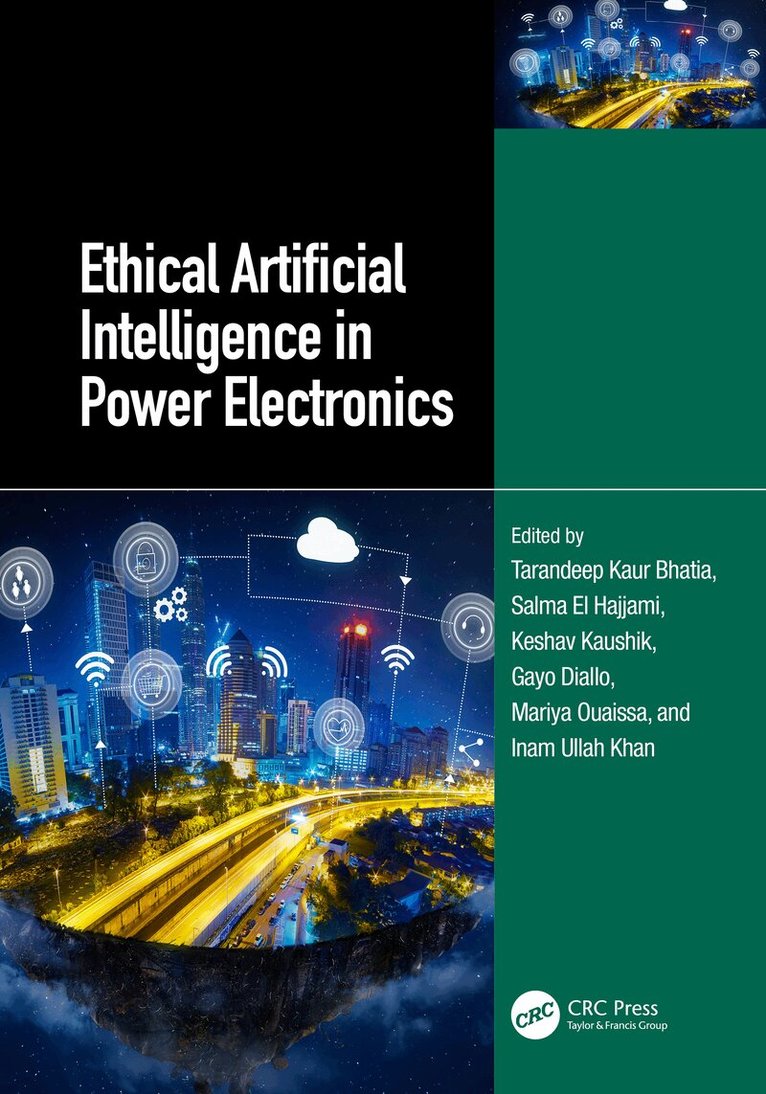
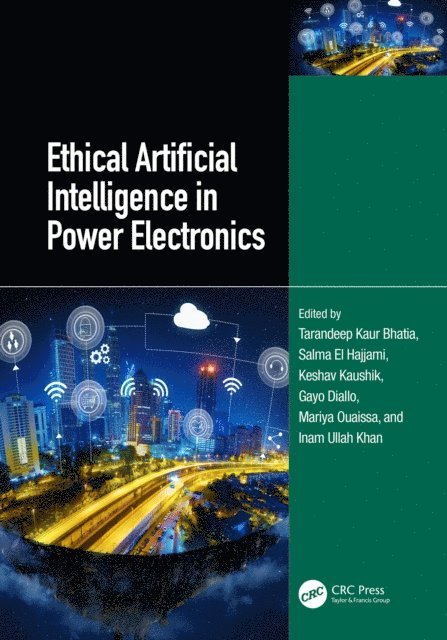
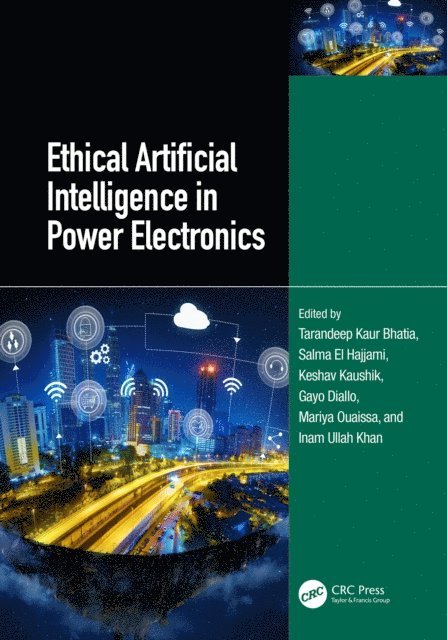
This book focuses on the techniques of artificial intelligence that are mainly used in the power electronics field for the optimization of lost vehicle power. With the intention of optimizing the powerful energy of the vehicles and producing reliable energy, the most efficient methods, algorithms, and strategies of ethical artificial intelligence (AI) are being applied. By employing machine learning methods, the optimization of power energy in vehicles can be quickly recovered and managed efficiently. In today’s bustling world, power energy is indispensable for progress, yet in congested Vehicular Ad-hoc Networks (VANETs), vehicles often face power depletion and decreased efficiency. This book explores these challenges, encompassing not only power but also other critical power electronics within vehicles. We aim to introduce innovative approaches, leveraging ethical AI methods, to optimize energy performance in the face of these difficulties. Through this exploration, we seek to provide practical insights into navigating congested VANET environments while upholding ethical principles in technological advancements. Our book will discuss the current power energy concerns faced by vehicles and also contribute a novel strategy to overcome those concerns. The employment of ethical AI in vehicular power energy will undoubtedly improve the effectiveness and production of vehicles.
942 kr
Läs direkt efter köp
This book focuses on the techniques of artificial intelligence that are mainly used in the power electronics field for the optimization of lost vehicle power. With the intention of optimizing the powerful energy of the vehicles and producing reliable energy, the most efficient methods, algorithms, and strategies of ethical artificial intelligence (AI) are being applied. By employing machine learning methods, the optimization of power energy in vehicles can be quickly recovered and managed efficiently. In today’s bustling world, power energy is indispensable for progress, yet in congested Vehicular Ad-hoc Networks (VANETs), vehicles often face power depletion and decreased efficiency. This book explores these challenges, encompassing not only power but also other critical power electronics within vehicles. We aim to introduce innovative approaches, leveraging ethical AI methods, to optimize energy performance in the face of these difficulties. Through this exploration, we seek to provide practical insights into navigating congested VANET environments while upholding ethical principles in technological advancements. Our book will discuss the current power energy concerns faced by vehicles and also contribute a novel strategy to overcome those concerns. The employment of ethical AI in vehicular power energy will undoubtedly improve the effectiveness and production of vehicles.
2 942 kr
Läs direkt efter köp
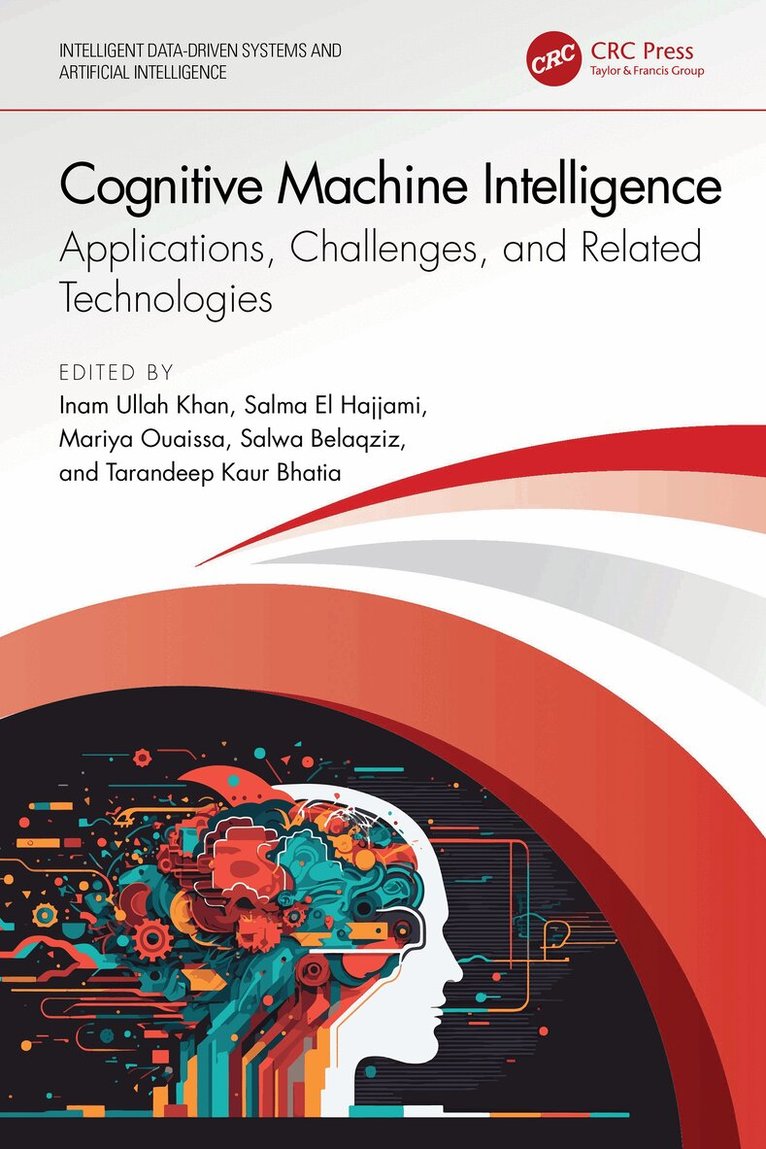
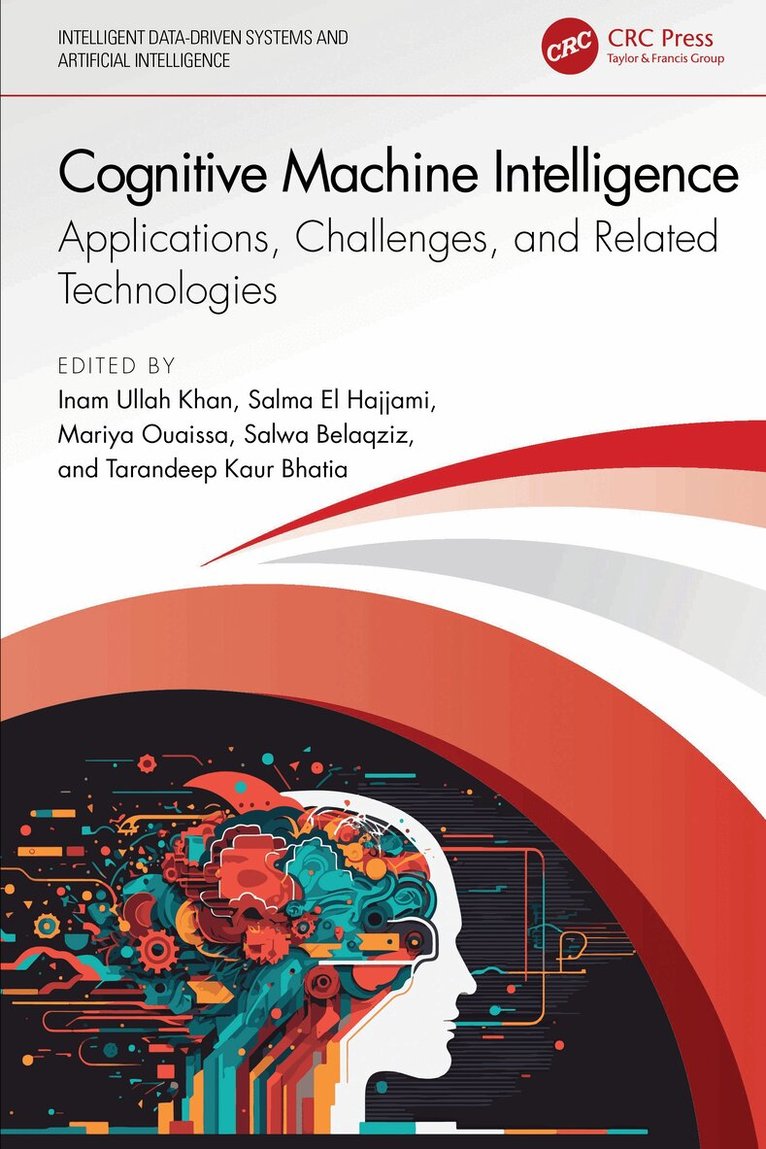
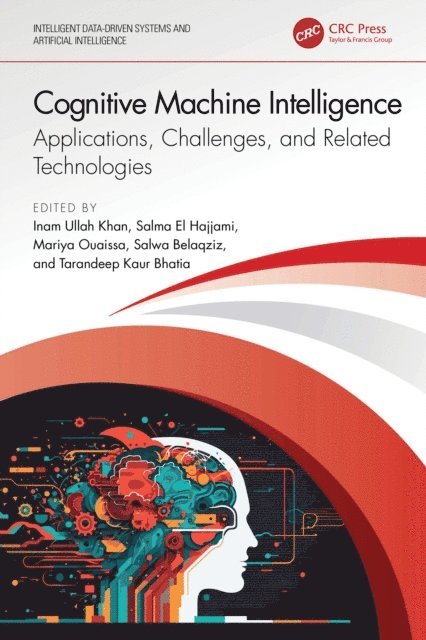
Cognitive Machine Intelligence: Applications, Challenges, and Related Technologies offers a compelling exploration of the transformative landscape shaped by the convergence of machine intelligence, artificial intelligence, and cognitive computing. In this book, the authors navigate through the intricate realms of technology, unveiling the profound impact of cognitive machine intelligence on diverse fields such as communication, healthcare, cybersecurity, and smart city development. The chapters present study on robots and drones to the integration of machine learning with wireless communication networks, IoT, quantum computing, and beyond. The book explores the essential role of machine learning in healthcare, security, and manufacturing. With a keen focus on privacy, trust, and the improvement of human lifestyles, this book stands as a comprehensive guide to the novel techniques and applications driving the evolution of cognitive machine intelligence. The vision presented here extends to smart cities, where AI-enabled techniques contribute to optimal decision-making, and future computing systems address end-to-end delay issues with a central focus on Quality-of-Service metrics. Cognitive Machine Intelligence is an indispensable resource for researchers, practitioners, and enthusiasts seeking a deep understanding of the dynamic landscape at the intersection of artificial intelligence and cognitive computing.
This book:
Covers a comprehensive exploration of cognitive machine intelligence and its intersection with emerging technologies such as federated learning, blockchain, and 6G and beyond. Discusses the integration of machine learning with various technologies such as wireless communication networks, ad-hoc networks, software-defined networks, quantum computing, and big data. Examines the impact of machine learning on various fields such as healthcare, unmanned aerial vehicles, cybersecurity, and neural networks. Provides a detailed discussion on the challenges and solutions to future computer networks like end-to-end delay issues, Quality of Service (QoS) metrics, and security. Emphasizes the need to ensure privacy and trust while implementing the novel techniques of machine intelligence.It is primarily written for senior undergraduate and graduate students, and academic researchers in the fields of electrical engineering, electronics and communication engineering, and computer engineering.
2 942 kr
Läs direkt efter köp
Cognitive Machine Intelligence: Applications, Challenges, and Related Technologies offers a compelling exploration of the transformative landscape shaped by the convergence of machine intelligence, artificial intelligence, and cognitive computing. In this book, the authors navigate through the intricate realms of technology, unveiling the profound impact of cognitive machine intelligence on diverse fields such as communication, healthcare, cybersecurity, and smart city development. The chapters present study on robots and drones to the integration of machine learning with wireless communication networks, IoT, quantum computing, and beyond. The book explores the essential role of machine learning in healthcare, security, and manufacturing. With a keen focus on privacy, trust, and the improvement of human lifestyles, this book stands as a comprehensive guide to the novel techniques and applications driving the evolution of cognitive machine intelligence. The vision presented here extends to smart cities, where AI-enabled techniques contribute to optimal decision-making, and future computing systems address end-to-end delay issues with a central focus on Quality-of-Service metrics. Cognitive Machine Intelligence is an indispensable resource for researchers, practitioners, and enthusiasts seeking a deep understanding of the dynamic landscape at the intersection of artificial intelligence and cognitive computing.
This book:
Covers a comprehensive exploration of cognitive machine intelligence and its intersection with emerging technologies such as federated learning, blockchain, and 6G and beyond. Discusses the integration of machine learning with various technologies such as wireless communication networks, ad-hoc networks, software-defined networks, quantum computing, and big data. Examines the impact of machine learning on various fields such as healthcare, unmanned aerial vehicles, cybersecurity, and neural networks. Provides a detailed discussion on the challenges and solutions to future computer networks like end-to-end delay issues, Quality of Service (QoS) metrics, and security. Emphasizes the need to ensure privacy and trust while implementing the novel techniques of machine intelligence.It is primarily written for senior undergraduate and graduate students, and academic researchers in the fields of electrical engineering, electronics and communication engineering, and computer engineering.
2 807 kr
Läs direkt efter köp
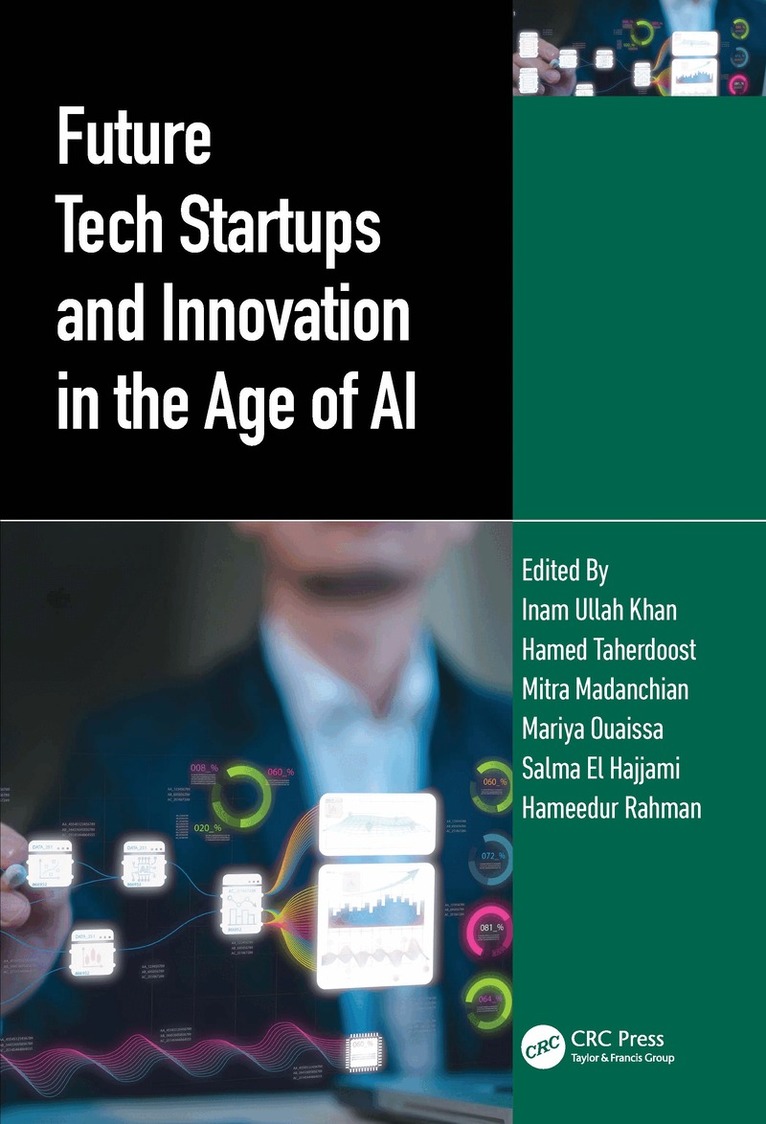
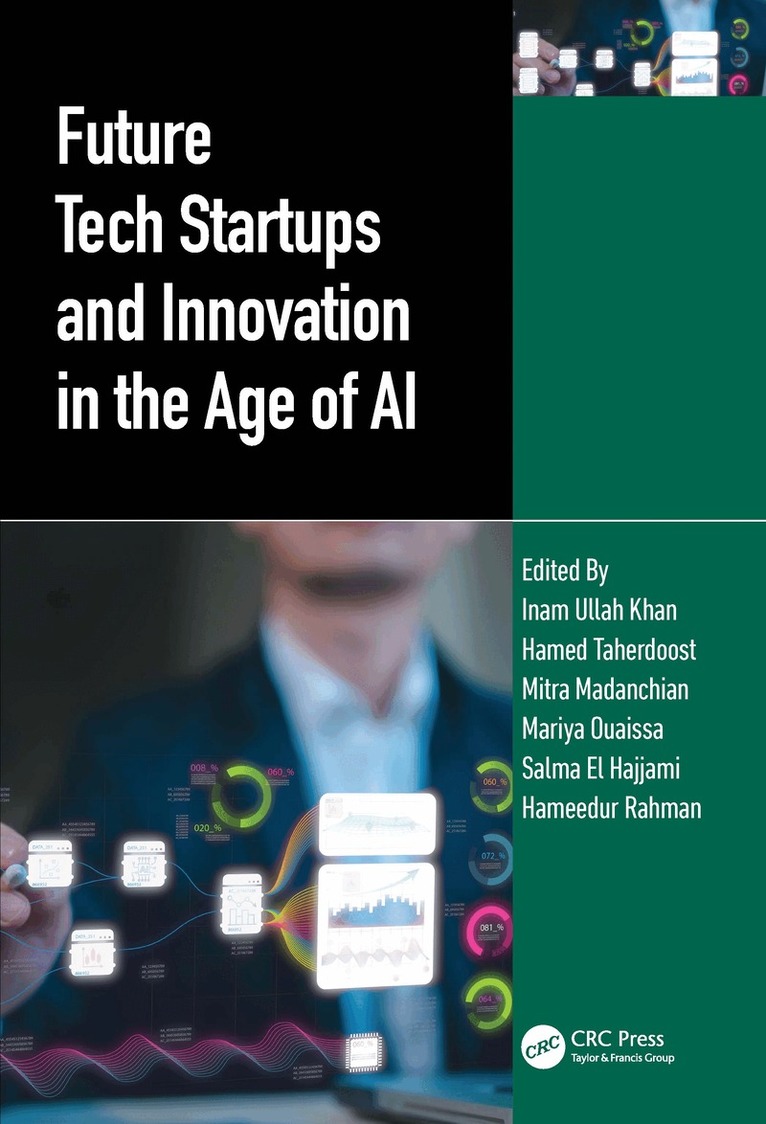
Our book, Future of Tech Startups and Innovations in the Age of AI, mainly focuses on artificial intelligence (AI) tools, AI-based startups, AI-enabled innovations, Autonomous AI Agents (Auto-GPT), AI-based marketing startups, machine learning for organizations, AI-internet of things (IoT) for new tech companies, AI-enabled drones for agriculture industry, machine learning (ML)/deep learning (DL)-based drip farming, AI-based driverless cars, AI-based weather prediction startups, AI tools for personal branding, AI-based teaching, AI-based doctor/hospital startups, AI for game companies, AI-based finance tools, AI for human resource management, AI-powered management tools, AI tools for future pandemics, AI/ML-based transportation companies, AI for media, AI for carrier counseling, AI for customer care, AI for next generation businesses, and many more applications. AI tools and techniques will revolutionize startups all over the world. Entrepreneurs, engineers, and practitioners have already moved toward AI-based solutions to reshape businesses. AI/ML will create possibilities and opportunities for improving human lifestyles. AI-enabled startups will work on cost-effective solutions to solve difficult problems. Recently, many research companies are interested in providing solutions and investing a lot in AI-based startups. AI-driven products will revolutionize the "smart world." AI computing tech companies will help to model human speech recognition systems. Also, AI-based startups will focus on perception and reasoning of autonomous robotic systems. AI/ML-based tech startups will introduce smart online education systems for future pandemics.
More interestingly, people are also moving for online job opportunities and trying to work from home. Future innovation needs closer relations between academia and industry. Therefore, online platforms need to be introduced that will only focus on academia and industry linkage. Future AI tech-based startups will focus more on research and development to introduce novel products to the market. Accordingly, engineers and many other people should be trained on AI tools and techniques to introduce innovative solutions for the smart world. In addition, integration of many new technologies with AI will be made possible. AI with IoT, smart cities, unmanned aerial vehicles (UAVs), wireless sensor networks, software-defined networks, network management, vehicular ad hoc networks, flying ad hoc networks, wireless communication technologies, ML, reinforcement learning, federated learning and other mechanisms will introduce new technological products.
2 807 kr
Läs direkt efter köp
Our book, Future of Tech Startups and Innovations in the Age of AI, mainly focuses on artificial intelligence (AI) tools, AI-based startups, AI-enabled innovations, Autonomous AI Agents (Auto-GPT), AI-based marketing startups, machine learning for organizations, AI-internet of things (IoT) for new tech companies, AI-enabled drones for agriculture industry, machine learning (ML)/deep learning (DL)-based drip farming, AI-based driverless cars, AI-based weather prediction startups, AI tools for personal branding, AI-based teaching, AI-based doctor/hospital startups, AI for game companies, AI-based finance tools, AI for human resource management, AI-powered management tools, AI tools for future pandemics, AI/ML-based transportation companies, AI for media, AI for carrier counseling, AI for customer care, AI for next generation businesses, and many more applications. AI tools and techniques will revolutionize startups all over the world. Entrepreneurs, engineers, and practitioners have already moved toward AI-based solutions to reshape businesses. AI/ML will create possibilities and opportunities for improving human lifestyles. AI-enabled startups will work on cost-effective solutions to solve difficult problems. Recently, many research companies are interested in providing solutions and investing a lot in AI-based startups. AI-driven products will revolutionize the "smart world." AI computing tech companies will help to model human speech recognition systems. Also, AI-based startups will focus on perception and reasoning of autonomous robotic systems. AI/ML-based tech startups will introduce smart online education systems for future pandemics.
More interestingly, people are also moving for online job opportunities and trying to work from home. Future innovation needs closer relations between academia and industry. Therefore, online platforms need to be introduced that will only focus on academia and industry linkage. Future AI tech-based startups will focus more on research and development to introduce novel products to the market. Accordingly, engineers and many other people should be trained on AI tools and techniques to introduce innovative solutions for the smart world. In addition, integration of many new technologies with AI will be made possible. AI with IoT, smart cities, unmanned aerial vehicles (UAVs), wireless sensor networks, software-defined networks, network management, vehicular ad hoc networks, flying ad hoc networks, wireless communication technologies, ML, reinforcement learning, federated learning and other mechanisms will introduce new technological products.