Insoo Hyun – författare
Visar alla böcker från författaren Insoo Hyun. Handla med fri frakt och snabb leverans.
6 produkter
6 produkter
500 kr
Skickas inom 7-10 vardagar
Despite years of heated social controversy over the use of human embryos in embryonic stem cell research, the caravan of stem cell science continues to proceed at an unrelenting pace all around the world. Bioethics and the Future of Stem Cell Research urges readers to look beyond the embryo debate to a much wider array of ethical issues in basic stem cell science and clinical translational research, including research involving adult and induced pluripotent stem cells. Insoo Hyun offers valuable insights into complex ethical issues ranging from pre-clinical animal studies to clinical trials and stem cell tourism, all presented through a unique blend of philosophy, literature and the history of science, as well as with Dr Hyun's extensive practical experiences in international stem cell policy formation. This thoughtful book is an indispensable resource for anyone interested in the science of stem cells and the practical and philosophical elements of research ethics.
863 kr
Skickas inom 7-10 vardagar
Despite years of heated social controversy over the use of human embryos in embryonic stem cell research, the caravan of stem cell science continues to proceed at an unrelenting pace all around the world. Bioethics and the Future of Stem Cell Research urges readers to look beyond the embryo debate to a much wider array of ethical issues in basic stem cell science and clinical translational research, including research involving adult and induced pluripotent stem cells. Insoo Hyun offers valuable insights into complex ethical issues ranging from pre-clinical animal studies to clinical trials and stem cell tourism, all presented through a unique blend of philosophy, literature and the history of science, as well as with Dr Hyun's extensive practical experiences in international stem cell policy formation. This thoughtful book is an indispensable resource for anyone interested in the science of stem cells and the practical and philosophical elements of research ethics.
1 854 kr
Skickas inom 10-15 vardagar
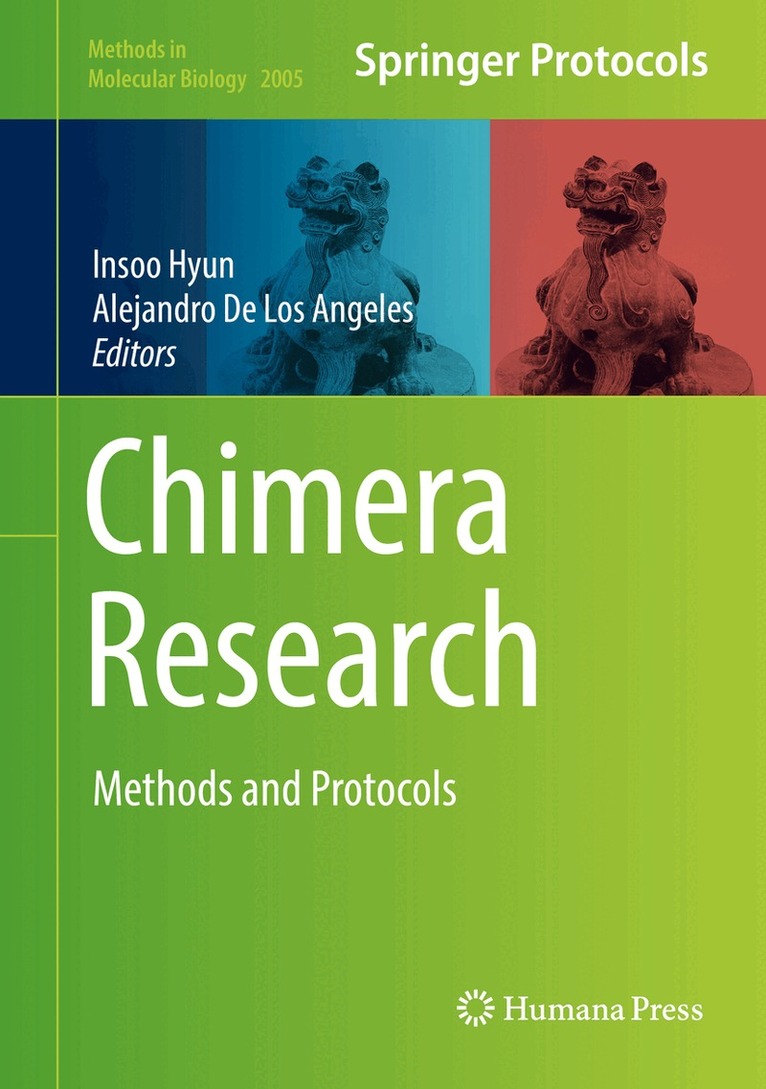
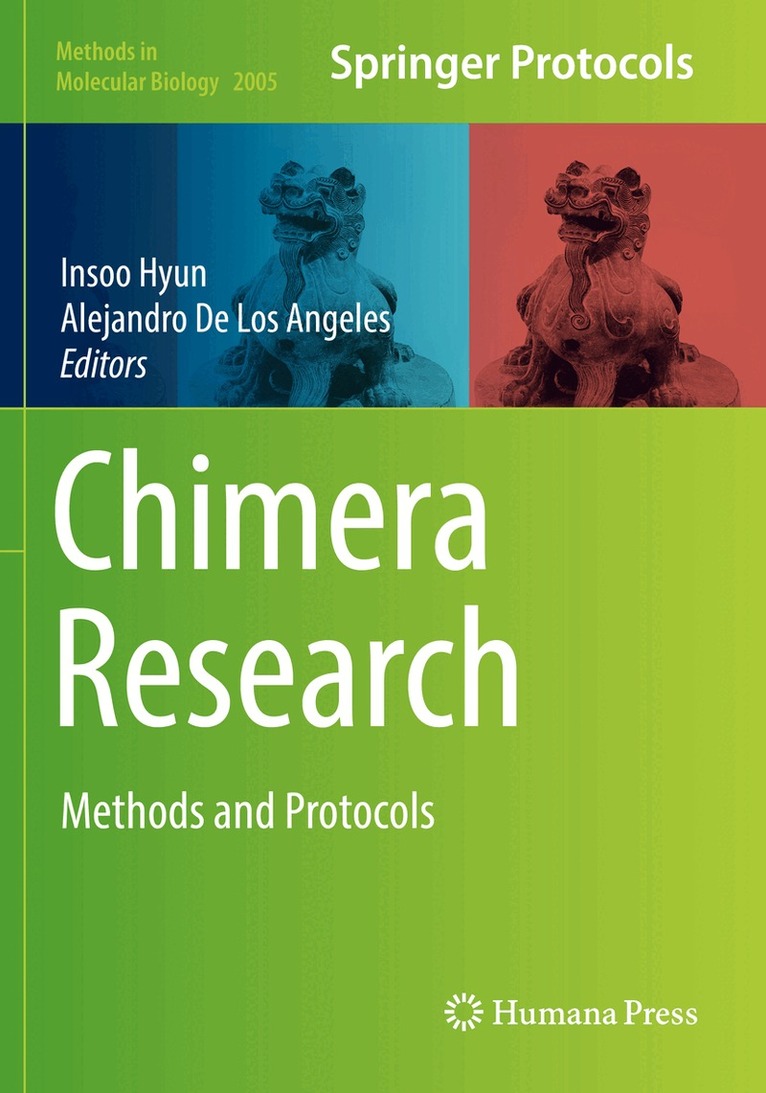
This volume addresses challenging new questions surrounding stem cell-based chimera research. This book is organized into three parts: Part One provides readers with a summary of different human donor cell types. The chapters in this section discuss ways to evaluate new types of pluripotent stem cells; the derivation of naïve and primed pluripotent stem cells from mouse preimplantation embryos; and the ethical and regulatory complexities of informed consent for the procurement of somatic cells. Part Two discusses methods for generating chimeras. The chapters here look at chick models and human-chick organizer grafts; generating human-pig interspecies chimeras; and techniques for transplanting mouse neural stem cells into a mouse disease model for stroke. Part Three concludes the book with a look at ongoing ethical controversies and new scientific directions. Chapters in this part cover the ethics of crossing the xenobarrier; animal welfare; experimentation with spermatogonial stem cells; and cautious approaches to human-monkey chimera studies to further understand complex human brain disorders. Written in the highly successful Methods in Molecular Biology series format, chapters include introductions to their respective topics, lists of the necessary materials and reagents, step-by-step, readily reproducible laboratory protocols, and tips on troubleshooting and avoiding known pitfalls.Cutting-edge and thorough, Chimera Research: Methods and Protocols is a valuable resource for scientists interesting in using chimeras as a research tool while also taking into consideration their complex ethical scopes.
1 311 kr
Skickas inom 10-15 vardagar
This volume addresses challenging new questions surrounding stem cell-based chimera research. This book is organized into three parts: Part One provides readers with a summary of different human donor cell types. The chapters in this section discuss ways to evaluate new types of pluripotent stem cells; the derivation of naïve and primed pluripotent stem cells from mouse preimplantation embryos; and the ethical and regulatory complexities of informed consent for the procurement of somatic cells. Part Two discusses methods for generating chimeras. The chapters here look at chick models and human-chick organizer grafts; generating human-pig interspecies chimeras; and techniques for transplanting mouse neural stem cells into a mouse disease model for stroke. Part Three concludes the book with a look at ongoing ethical controversies and new scientific directions. Chapters in this part cover the ethics of crossing the xenobarrier; animal welfare; experimentation with spermatogonial stem cells; and cautious approaches to human-monkey chimera studies to further understand complex human brain disorders. Written in the highly successful Methods in Molecular Biology series format, chapters include introductions to their respective topics, lists of the necessary materials and reagents, step-by-step, readily reproducible laboratory protocols, and tips on troubleshooting and avoiding known pitfalls.Cutting-edge and thorough, Chimera Research: Methods and Protocols is a valuable resource for scientists interesting in using chimeras as a research tool while also taking into consideration their complex ethical scopes.
Del 4 - Collaborative Bioethics
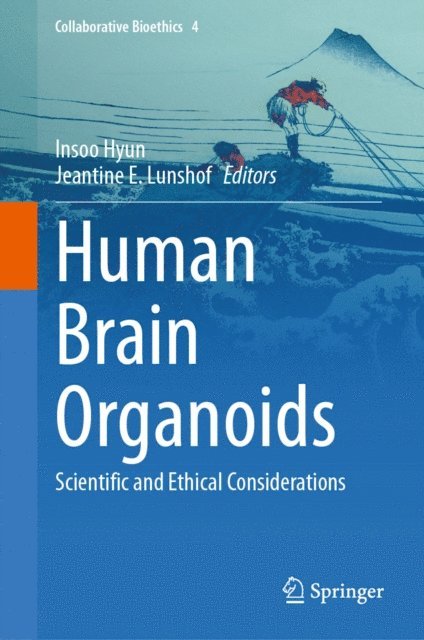
Human Brain Organoids
Scientific and Ethical Considerations
Inbunden, Engelska, 2024
1 963 kr
Skickas inom 10-15 vardagar
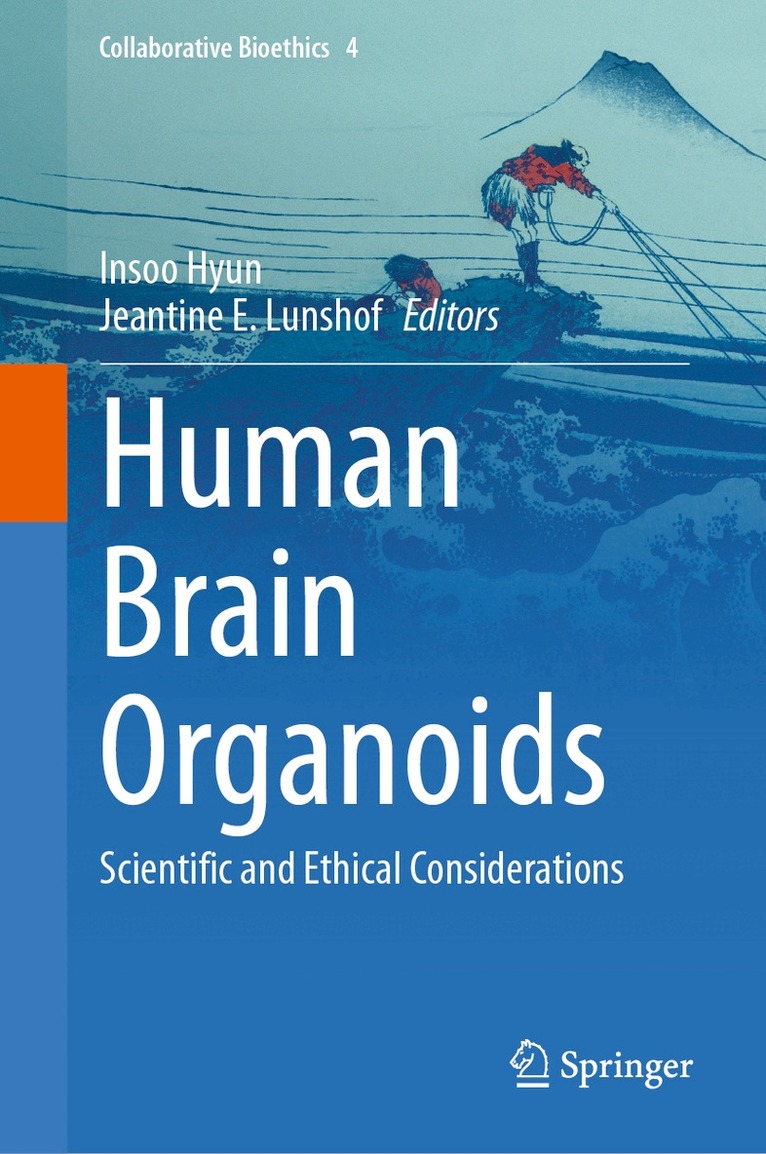
Brain organoids are small stem cell-derived, self-organizing models of specific brain regions that offer researchers new ways to study the human brain. Since their scientific debut over ten years ago, brain organoids have been used to generate tractable new bioengineered tools for understanding functional interconnectivity of the human brain, dysfunction involved in many neurodegenerative diseases, and certain molecular mechanisms underlying cognition.Despite this field’s considerable scientific promise, advances in human brain organoid research also raise novel philosophical questions and ethical concerns around the use of complex human brain models and the ethical boundaries that should exist when manipulating increasingly realistic bioengineered brain constructs. As researchers generate more realistic organoids in vitro that resemble human brains, it is critically important to understand what ethical boundaries may exist and where researchers and regulators should draw the line for research, both to reduce uncertainties over which projects to pursue in the lab and to address future concerns regulators and the public may harbor about whether this research, if left unexamined, could inadvertently undermine public trust in science. This proposed book delves into ongoing and proactive ethical discussions among ethicists and the neuroscientists involved with this cutting-edge work. Its ultimate goal is to foster greater awareness, understanding, and guidance for future management of ethical issues that may be unique to new areas of brain organoid research. This volume is the result of a close partnership between ethicists and scientists, each informing the other through a collaborative process of joint bioethical deliberation.
Del 4 - Collaborative Bioethics
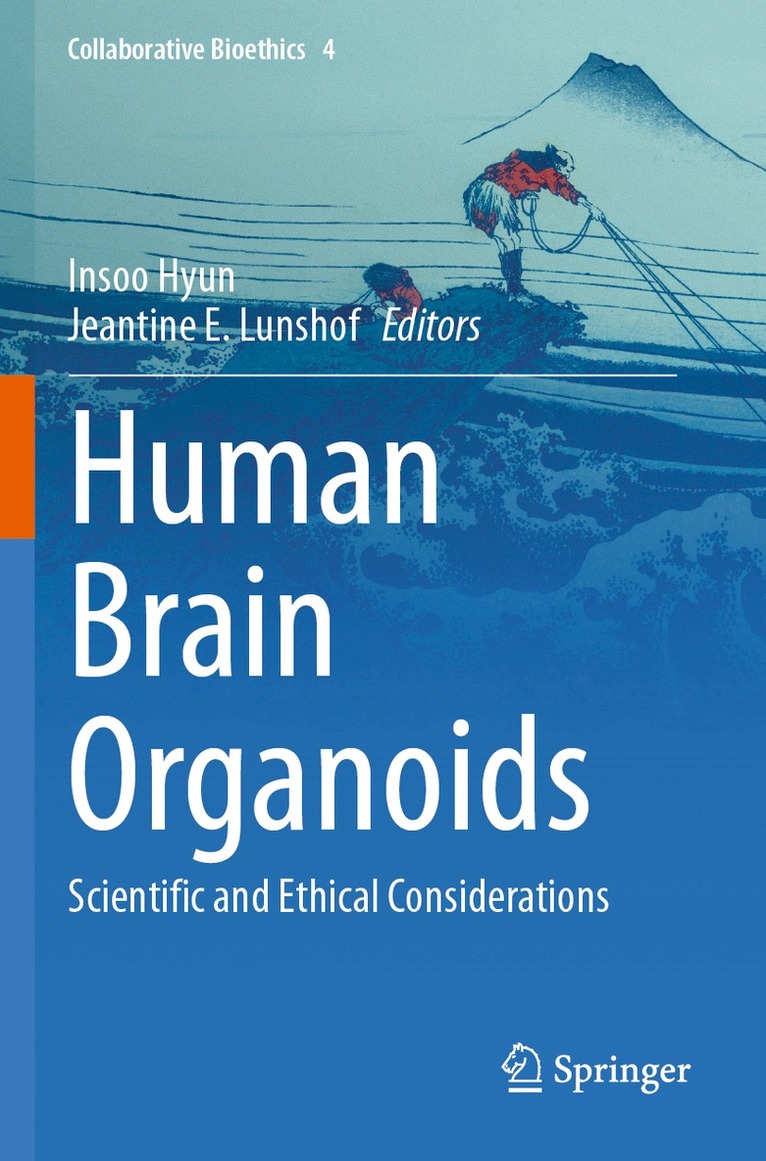
Human Brain Organoids
Scientific and Ethical Considerations
Häftad, Engelska, 2025
1 963 kr
Skickas inom 10-15 vardagar
Brain organoids are small stem cell-derived, self-organizing models of specific brain regions that offer researchers new ways to study the human brain. Since their scientific debut over ten years ago, brain organoids have been used to generate tractable new bioengineered tools for understanding functional interconnectivity of the human brain, dysfunction involved in many neurodegenerative diseases, and certain molecular mechanisms underlying cognition.Despite this field’s considerable scientific promise, advances in human brain organoid research also raise novel philosophical questions and ethical concerns around the use of complex human brain models and the ethical boundaries that should exist when manipulating increasingly realistic bioengineered brain constructs. As researchers generate more realistic organoids in vitro that resemble human brains, it is critically important to understand what ethical boundaries may exist and where researchers and regulators should draw the line for research, both to reduce uncertainties over which projects to pursue in the lab and to address future concerns regulators and the public may harbor about whether this research, if left unexamined, could inadvertently undermine public trust in science. This proposed book delves into ongoing and proactive ethical discussions among ethicists and the neuroscientists involved with this cutting-edge work. Its ultimate goal is to foster greater awareness, understanding, and guidance for future management of ethical issues that may be unique to new areas of brain organoid research. This volume is the result of a close partnership between ethicists and scientists, each informing the other through a collaborative process of joint bioethical deliberation.