International African Institute – författare
Visar alla böcker från författaren International African Institute. Handla med fri frakt och snabb leverans.
6 produkter
Practical Orthography of African Languages
Bound with: Orthographe Pratique des Langues Africaines; The Distribution of the Semitic and Cushitic Languages of Africa; The Distribution of the Nilotic and Nilo-Hamitic Languages of Africa; and Linguistic Analyses
Av International African Institute
Inbunden, 2017
1882 kr
Lägg i varukorg
The first edition of the Practical Orthography of African Languages was a best-seller and this and the following volume re-issues the second edition, in English and French. Originally published in 1930, it provided an invaluable solution to the problem of finding a practical and uniform method of …
Practical Orthography of African Languages
Bound with: Orthographe Pratique des Langues Africaines; The Distribution of the Semitic and Cushitic Languages of Africa; The Distribution of the Nilotic and Nilo-Hamitic Languages of Africa; and Linguistic Analyses
Av International African Institute
Häftad, 2019
577 kr
Lägg i varukorg
The first edition of the Practical Orthography of African Languages was a best-seller and this and the following volume re-issues the second edition, in English and French. Originally published in 1930, it provided an invaluable solution to the problem of finding a practical and uniform method of …
Practical Orthography of African Languages
Bound with: Orthographe Pratique des Langues Africaines; The Distribution of the Semitic and Cushitic Languages of Africa; The Distribution of the Nilotic and Nilo-Hamitic Languages of Africa; and Linguistic Analyses
Av International African Institute
E-bok, 2017
656 kr
Lägg i varukorg
The first edition of the Practical Orthography of African Languages was a best-seller and this and the following volume re-issues the second edition, in English and French. Originally published in 1930, it provided an invaluable solution to the problem of finding a practical and uniform method of …
Practical Orthography of African Languages
Bound with: Orthographe Pratique des Langues Africaines; The Distribution of the Semitic and Cushitic Languages of Africa; The Distribution of the Nilotic and Nilo-Hamitic Languages of Africa; and Linguistic Analyses
Av International African Institute
E-bok, 2017
663 kr
Lägg i varukorg
The first edition of the Practical Orthography of African Languages was a best-seller and this and the following volume re-issues the second edition, in English and French. Originally published in 1930, it provided an invaluable solution to the problem of finding a practical and uniform method of …
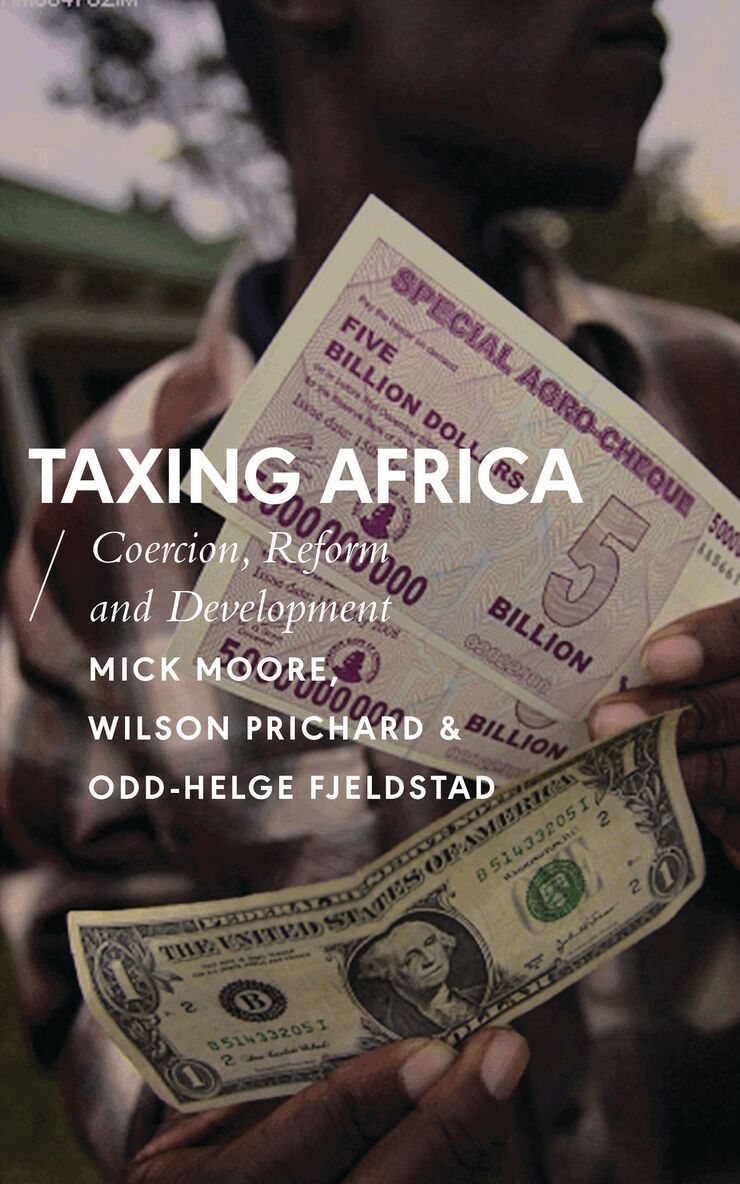
Taxing Africa
Coercion, Reform and Development
Av Mick Moore, Wilson Prichard m. fl.
Häftad, 2018
196 kr
Lägg i varukorg
Taxation has been seen as the domain of charisma-free accountants, lawyers and number crunchers – an unlikely place to encounter big societal questions about democracy, equity or good governance. Yet it is exactly these issues that pervade conversations about taxation among policymakers, tax …
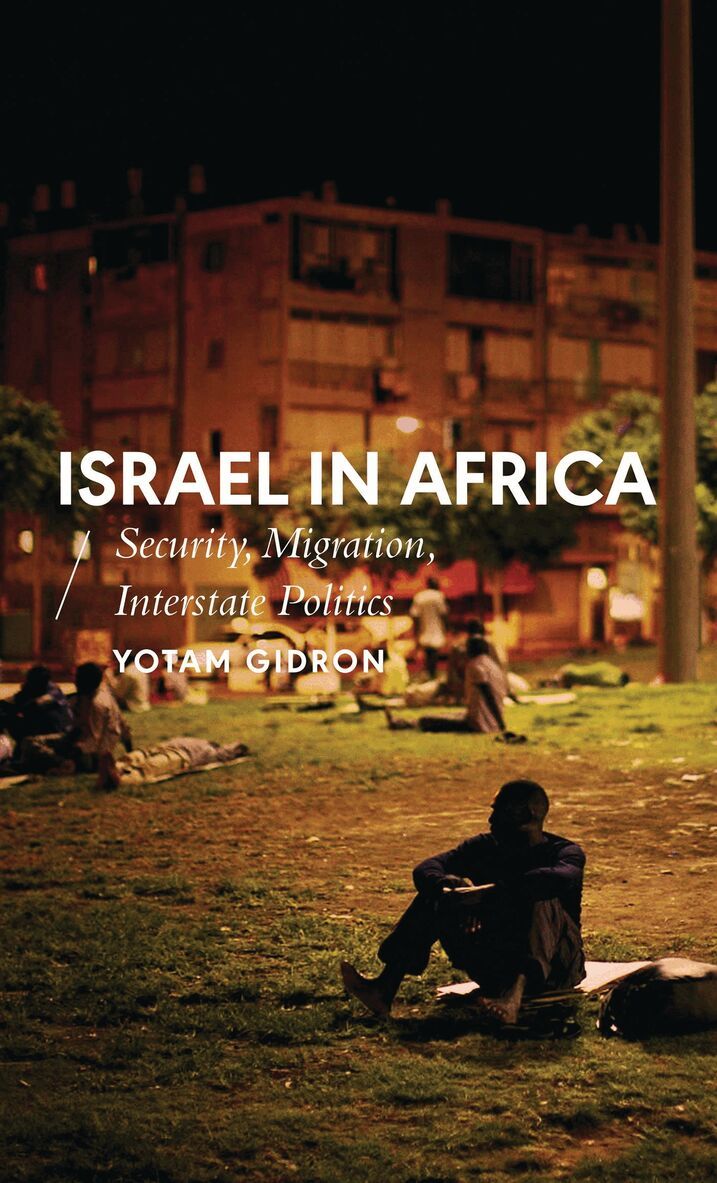
Israel in Africa
Security, Migration, Interstate Politics
Av Yotam Gidron, Alcinda Honwana m. fl.
Häftad, 2020
218 kr
Lägg i varukorg
Amidst the turmoil of the Middle East, few have noticed the extent to which Israel has slowly but surely been building alliances on the African continent. Facing a growing international backlash, Israel has had to look beyond its traditional Western allies for support, and many African governments …