Ion Bogdan Vasi – författare
Visar alla böcker från författaren Ion Bogdan Vasi. Handla med fri frakt och snabb leverans.
5 produkter
5 produkter
Inbunden, Engelska, 2011
1 011 kr
Skickas inom 5-8 vardagar
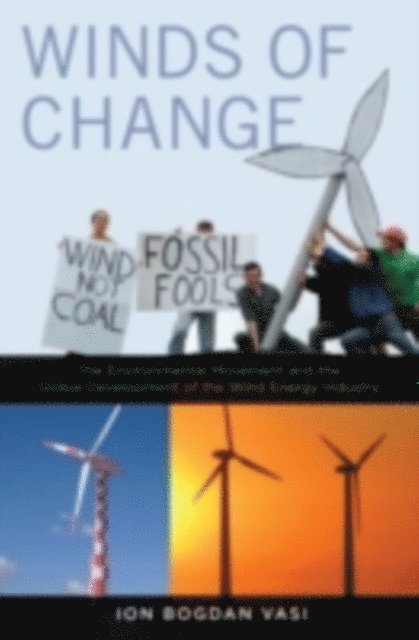
Winds of Change examines the global development of the wind energy industry from a political, social movements-based perspective. It argues the wind energy industry developed successfully in certain regions and countries in large part because the environmental movement influenced its growth. Vasi then defines and analyses the three main pathways through which the environmental movement has contributed to industry growth: it has influenced the adoption and implementation of renewable energy policies, it has created consumer demand for clean energy, and it has changed the institutional logics of the energy sector. The book uses quantitative analysis to present the big picture of the global development of the wind energy industry, then draws on qualitative analyses to understand why countries such as Germany, Denmark, or Spain are world leaders in wind energy, while other countries such as the United States, United Kingdom, or Canada have a somewhat underdeveloped wind power industry. It also analyzes how the environmental movement contributed to the recent growth of the market for renewable energy certificates in the United States. The book also examines the remarkable transformation of the electricity sector in different countries, showing how environmentalists in Germany, Denmark, United States and United Kingdom contributed to wind turbine manufacturing by becoming entrepreneurs, innovators, and/or advocates, and, furthermore, how environmental groups and activists formed new companies that specialize in wind-farm development and operation, and pressured utility companies to invest in renewable energy by using tactics such as protests, lawsuits, and lobbying for stricter regulation. In conclusion, Vasi presents the main implications for future studies on industry development and social movement outcomes, as well as for the future growth of the renewable energy sector.
E-bok
PDF, Engelska, 2011807 kr
Läs direkt efter köp
In recent decades the global wind energy industry has undergone explosive growth, and there is still vast potential for wind to supply more of the world''s energy. Though not only is wind power far from reaching its potential, its rise has been uneven and irregular. What factors influence the development of the wind energy industry, and why has it developed successfully in some places but not in others? In Winds of Change, Ion Bogdan Vasi argues that the development of wind energy is dependent not only on improvements in technology and economic forces, but also in large part on the efforts of the environmental movement. Vasi defines and analyses three pathways through which the environmental movement has contributed to industry growth: it has influenced the adoption and implementation of renewable energy policies, created consumer demand for clean energy, and changed the institutional logics of the energy sector. Vasi uses quantitative analysis to present the big picture of global wind power development, and qualitative research to understand why certain countries are world leaders in wind energy while others are relatively underdeveloped. Through interviews with renewable energy professionals and campaigners, he shows that environmental groups and activists participated actively in energy policymaking, pressured various organizations to purchase wind power, and formed new companies that specialized in wind-farm development. He also demonstrates that environmentalists contributed to wind turbine manufacturing by becoming entrepreneurs, innovators, and advocates. Winds of Change sheds much new light on how wind energy is adopted and why, and demonstrates how activists and social movements can contribute to the creation of new industries.
E-bok
PDF, Engelska, 20261 231 kr
Läs direkt efter köp
This volume contains an Open Access chapter.While the domains of organizational theory, grand challenges, and environmental sociology have developed via relatively distinct fields in sociology and management, they speak to a common set of social change phenomena at the intersection of the state, non-profits, and businesses. Organizations and Climate Change brings together new empirical papers that bridge these domains and sets an agenda for a more holistic theory of organizations and climate change, a theory that examines how various kinds of organizations respond to what is considered as one of the most important challenges for humanity during the 21st century.Each of papers included in this volume focus on the way in which organizations shape or respond to the climate change challenge. Three papers examine how business organizations address the climate change problem, including corporate communication of climate change mitigation actions, corporate strategies that undermine decarbonization, and corporate marketing of low-carbon technologies. Three papers investigate how non-profit organizations form networks that shape climate change negotiations, incorporate climate change into their missions, and justify not incorporating climate change into their mission. Finally, three papers explore how universities, boundary organizations, and organizational fields engage in climate change mitigation or attempt to influence other organizations to engage in these actions. The afterword summarizes research on both enablers and blockers of climate action and identifies several promising directions for future work.Organizations and Climate Change distils insights and highlights opportunities for future research on organizations and the climate change grand challenge.
Del 102 - Research in the Sociology of Organizations
Organizations and Climate Change
Inbunden, Engelska, 2026
1 176 kr
Skickas inom 5-8 vardagar
This volume contains an Open Access chapter.While the domains of organizational theory, grand challenges, and environmental sociology have developed via relatively distinct fields in sociology and management, they speak to a common set of social change phenomena at the intersection of the state, non-profits, and businesses. Organizations and Climate Change brings together new empirical papers that bridge these domains and sets an agenda for a more holistic theory of organizations and climate change, a theory that examines how various kinds of organizations respond to what is considered as one of the most important challenges for humanity during the 21st century.Each of papers included in this volume focus on the way in which organizations shape or respond to the climate change challenge. Three papers examine how business organizations address the climate change problem, including corporate communication of climate change mitigation actions, corporate strategies that undermine decarbonization, and corporate marketing of low-carbon technologies. Three papers investigate how non-profit organizations form networks that shape climate change negotiations, incorporate climate change into their missions, and justify not incorporating climate change into their mission. Finally, three papers explore how universities, boundary organizations, and organizational fields engage in climate change mitigation or attempt to influence other organizations to engage in these actions. The afterword summarizes research on both enablers and blockers of climate action and identifies several promising directions for future work.Organizations and Climate Change distils insights and highlights opportunities for future research on organizations and the climate change grand challenge.
E-bok
Engelska, 20261 231 kr
Läs direkt efter köp
This volume contains an Open Access chapter.While the domains of organizational theory, grand challenges, and environmental sociology have developed via relatively distinct fields in sociology and management, they speak to a common set of social change phenomena at the intersection of the state, non-profits, and businesses. Organizations and Climate Change brings together new empirical papers that bridge these domains and sets an agenda for a more holistic theory of organizations and climate change, a theory that examines how various kinds of organizations respond to what is considered as one of the most important challenges for humanity during the 21st century.Each of papers included in this volume focus on the way in which organizations shape or respond to the climate change challenge. Three papers examine how business organizations address the climate change problem, including corporate communication of climate change mitigation actions, corporate strategies that undermine decarbonization, and corporate marketing of low-carbon technologies. Three papers investigate how non-profit organizations form networks that shape climate change negotiations, incorporate climate change into their missions, and justify not incorporating climate change into their mission. Finally, three papers explore how universities, boundary organizations, and organizational fields engage in climate change mitigation or attempt to influence other organizations to engage in these actions. The afterword summarizes research on both enablers and blockers of climate action and identifies several promising directions for future work.Organizations and Climate Change distils insights and highlights opportunities for future research on organizations and the climate change grand challenge.