Irina Busygina - Böcker
Visar alla böcker från författaren Irina Busygina. Handla med fri frakt och snabb leverans.
8 produkter
8 produkter
616 kr
Skickas inom 10-15 vardagar
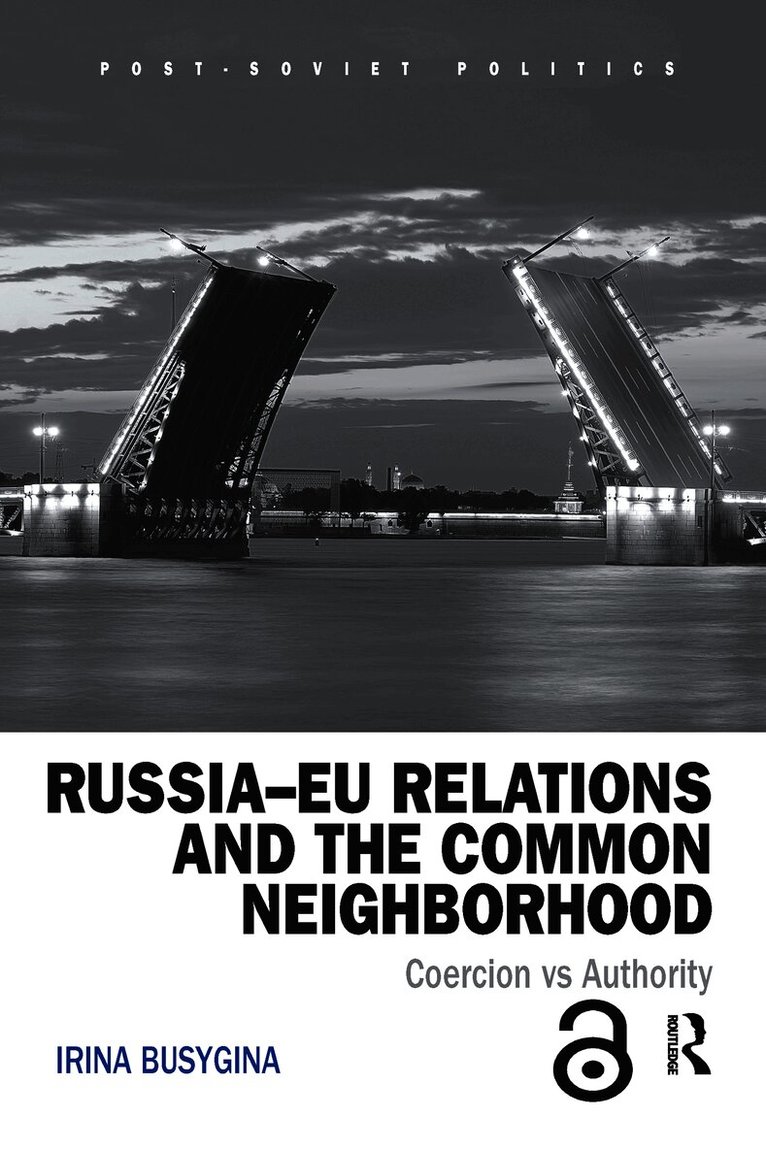
Examining Russia–EU relations in terms of the forms and types of power tools they use, this book argues that the deteriorating relations between Russia and the EU lie in the deep differences in their preferences for the international status quo. These different approaches, combined with economic interdependence and geographic proximity, means both parties experience significant difficulties in shaping strategy and formulating agendas with regards to each other. The Russian leadership is well aware of the EU’s "authority orientation" but fails to reliably predict foreign policy at the EU level, whilst the EU realizes Russia’s "coercive orientation" in general, but cannot predict when and where coercive tools will be used next. Russia is gradually realizing the importance of authority, while the EU sees the necessity of coercion tools for coping with certain challenges. The learning process is ongoing but the basic distinction remains unchanged and so their approaches cannot be reconciled as long as both actors exist in their current form.Using a theoretical framework and case studies including Belarus, Georgia and Ukraine, Busygina examines the possibilities and constraints that arise when the "power of authority" and the "power of coercion" interact with each other, and how this interaction affects third parties.
1 968 kr
Skickas inom 10-15 vardagar
This book challenges the common perception of authoritarian regimes as incompatible with federalism and decentralization. It examines how the leaders of Russia, Ukraine, and Kazakhstan have managed to exploit federalism and decentralization as useful instruments to help them preserve control, avoid political instability, and to shift blame to the regional authorities in times of crises and policy failures. The authors explain how post-Soviet authoritarian regimes balance the advantages and risks and emphasize the contradictory role of external influences and threats to the institutional design of federalism and decentralization. Advancing our understanding of how the institutions of federalism and decentralization are skillfully constrained, but at the same time used by authoritarian incumbents, they show that federalism and decentralization matter in non-democracies, though the nondemocratic character of the political systems greatly modifies their effects. The authors show the implication of the COVID-19 crisis and current Russian war against Ukraine for the center-regional relations in Russia, Ukraine, and Kazakhstan. This book will be of interest to scholars and students of post-Soviet politics, decentralization, federalism, and modern authoritarianism.
629 kr
Skickas inom 10-15 vardagar
This book challenges the common perception of authoritarian regimes as incompatible with federalism and decentralization. It examines how the leaders of Russia, Ukraine, and Kazakhstan have managed to exploit federalism and decentralization as useful instruments to help them preserve control, avoid political instability, and to shift blame to the regional authorities in times of crises and policy failures. The authors explain how post-Soviet authoritarian regimes balance the advantages and risks and emphasize the contradictory role of external influences and threats to the institutional design of federalism and decentralization. Advancing our understanding of how the institutions of federalism and decentralization are skillfully constrained, but at the same time used by authoritarian incumbents, they show that federalism and decentralization matter in non-democracies, though the nondemocratic character of the political systems greatly modifies their effects. The authors show the implication of the COVID-19 crisis and current Russian war against Ukraine for the center-regional relations in Russia, Ukraine, and Kazakhstan. This book will be of interest to scholars and students of post-Soviet politics, decentralization, federalism, and modern authoritarianism.
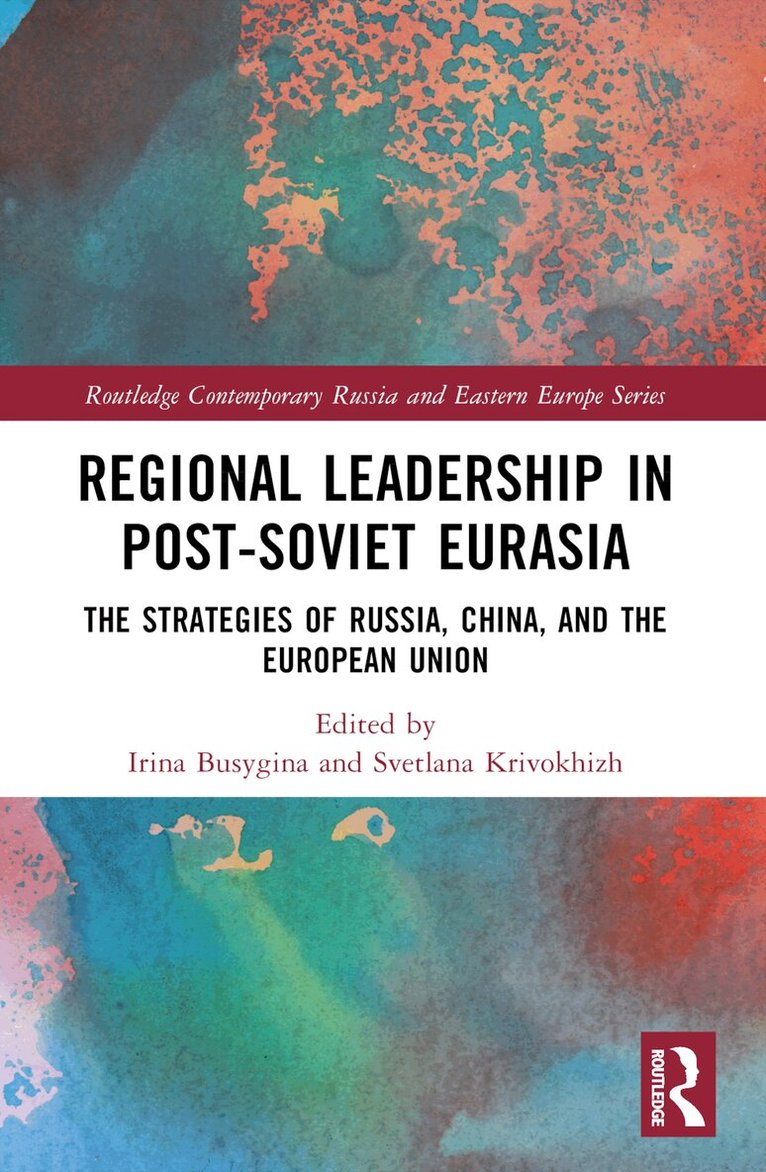
Regional Leadership in Post-Soviet Eurasia
The Strategies of Russia, China, and the European Union
Inbunden, Engelska, 2023
2 103 kr
Skickas inom 10-15 vardagar
This book explores power in international relations, in a world characterized by the growing competition of major powers for smaller nations. Focusing on the major powers and smaller countries of Eurasia, it argues that power in international relations is different from coercion and is rather a social contract between a leader state and follower states where reciprocity is key and where leadership relationships cannot be adequately explained by focusing solely on the leader. It challenges the perception that genuine regional leadership is quite common, contending instead that it is rare; that much more often major powers make claims for leadership; and that regional leadership does not indicate the status of a particular state, but rather the social role of the leader, which is recognized by its followers, a role which is always relative and based on communication and constant interaction with followers. The book highlights the important role followers play in recognizing regional power, the importance for a state's regional leadership strategy in creating and holding a valuable position attractive for followers and delivering greater value to followers compared to other potential leaders.
Regional Leadership in Post-Soviet Eurasia
The Strategies of Russia, China, and the European Union
Häftad, Engelska, 2024
575 kr
Skickas inom 10-15 vardagar
This book explores power in international relations, in a world characterized by the growing competition of major powers for smaller nations. Focusing on the major powers and smaller countries of Eurasia, it argues that power in international relations is different from coercion and is rather a social contract between a leader state and follower states where reciprocity is key and where leadership relationships cannot be adequately explained by focusing solely on the leader. It challenges the perception that genuine regional leadership is quite common, contending instead that it is rare; that much more often major powers make claims for leadership; and that regional leadership does not indicate the status of a particular state, but rather the social role of the leader, which is recognized by its followers, a role which is always relative and based on communication and constant interaction with followers. The book highlights the important role followers play in recognizing regional power, the importance for a state's regional leadership strategy in creating and holding a valuable position attractive for followers and delivering greater value to followers compared to other potential leaders.

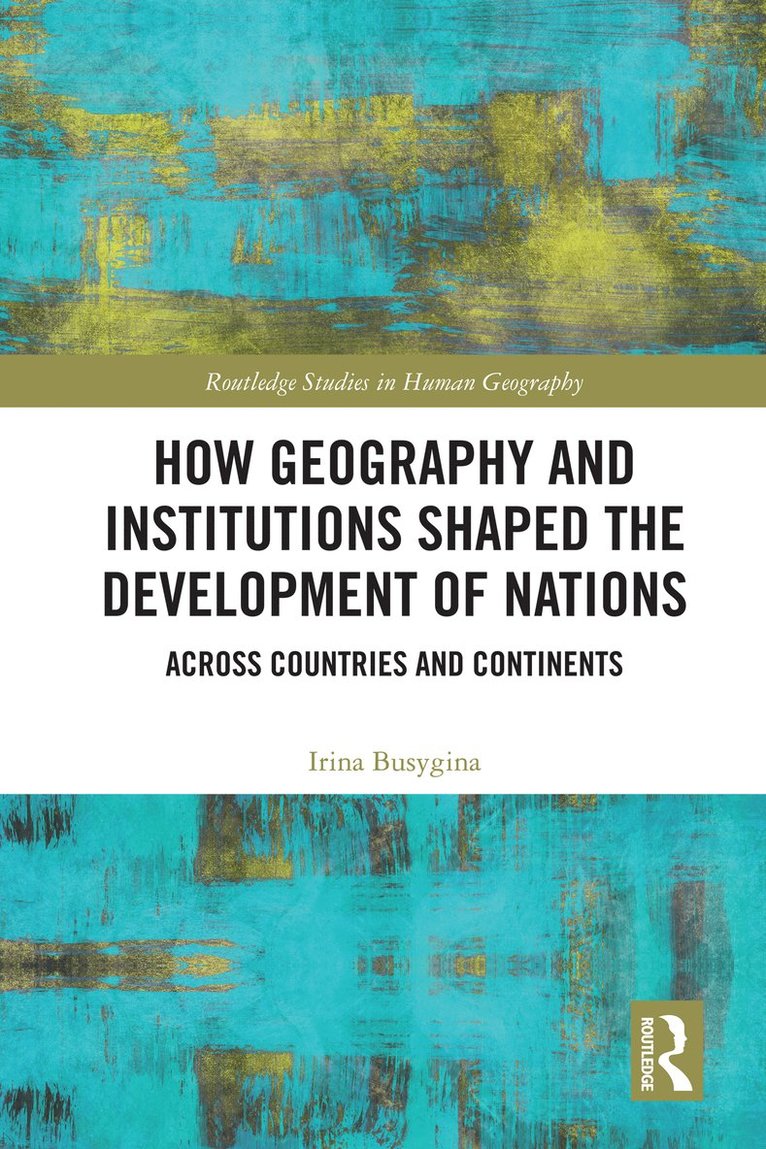
How Geography and Institutions Shaped the Development of Nations
Across Countries and Continents
Inbunden, Engelska, 2024
1 968 kr
Skickas inom 10-15 vardagar
This book provides a concise and informative introduction to how geography and institutions shaped the development of nations, showing that while the role of institutions for the development of nations is indisputable, the role of geographic factors remains underexplored and underestimated.Drawing on rich empirical material from the history and modernity of different continents and nations, How Geography and Institutions Shaped the Development of Nations: Across Countries and Continents seeks to show not only the importance of geographical explanations of development but also their extraordinary diversity. This book is divided into two parts. The first part examines the main contributions to the understanding of development under the influence of geographic and institutional factors, as well as state’s geographic attributes and borders as geographic institutions. The second part immerses the reader in empirical material, presenting various cases on different continents in different historical periods.This book is an essential read for researchers in a broad range of areas, including international organizations and practitioners involved accelerating national development. It will also be of interest to scholars and students in development studies and, more broadly, to geography, comparative politics, and regional studies.
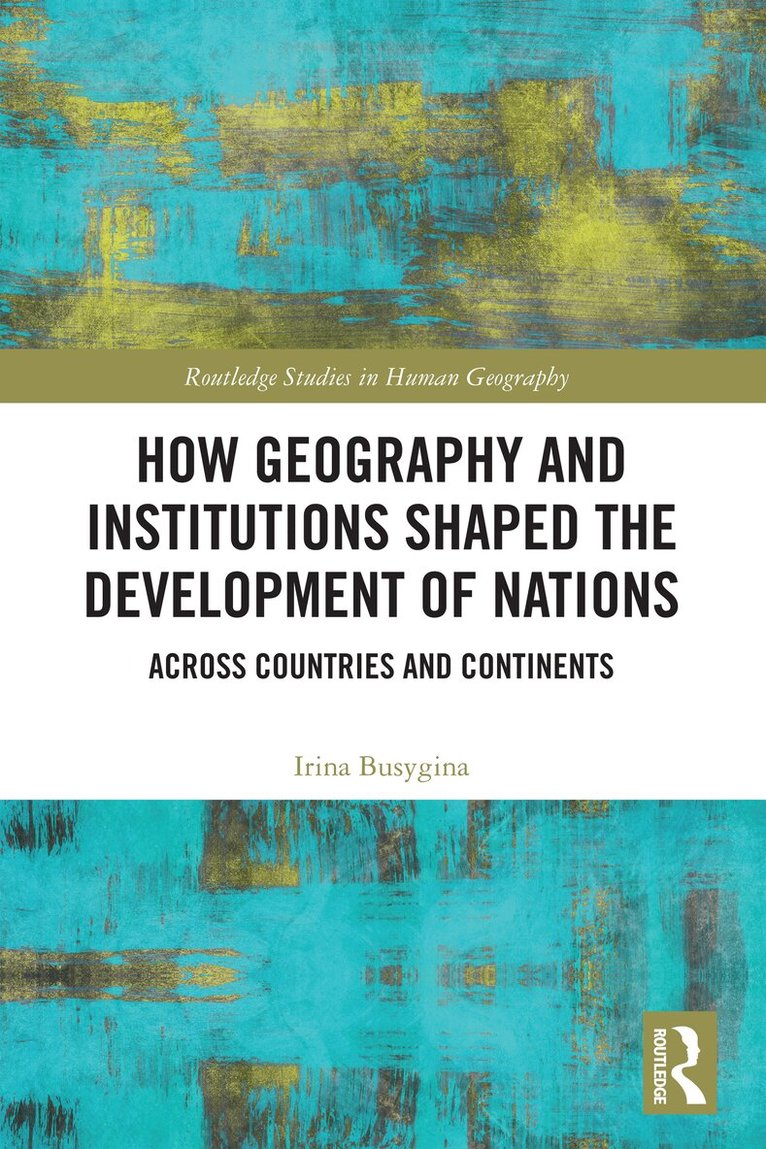
How Geography and Institutions Shaped the Development of Nations
Across Countries and Continents
Häftad, Engelska, 2026
675 kr
Kommande
This book provides a concise and informative introduction to how geography and institutions shaped the development of nations, showing that while the role of institutions for the development of nations is indisputable, the role of geographic factors remains underexplored and underestimated.Drawing on rich empirical material from the history and modernity of different continents and nations, How Geography and Institutions Shaped the Development of Nations: Across Countries and Continents seeks to show not only the importance of geographical explanations of development but also their extraordinary diversity. This book is divided into two parts. The first part examines the main contributions to the understanding of development under the influence of geographic and institutional factors, as well as state’s geographic attributes and borders as geographic institutions. The second part immerses the reader in empirical material, presenting various cases on different continents in different historical periods.This book is an essential read for researchers in a broad range of areas, including international organizations and practitioners involved accelerating national development. It will also be of interest to scholars and students in development studies and, more broadly, to geography, comparative politics, and regional studies.
2 103 kr
Skickas inom 10-15 vardagar
Examining Russia–EU relations in terms of the forms and types of power tools they use, this book argues that the deteriorating relations between Russia and the EU lie in the deep differences in their preferences for the international status quo. These different approaches, combined with economic interdependence and geographic proximity, means both parties experience significant difficulties in shaping strategy and formulating agendas with regards to each other. The Russian leadership is well aware of the EU’s "authority orientation" but fails to reliably predict foreign policy at the EU level, whilst the EU realizes Russia’s "coercive orientation" in general, but cannot predict when and where coercive tools will be used next. Russia is gradually realizing the importance of authority, while the EU sees the necessity of coercion tools for coping with certain challenges. The learning process is ongoing but the basic distinction remains unchanged and so their approaches cannot be reconciled as long as both actors exist in their current form.Using a theoretical framework and case studies including Belarus, Georgia and Ukraine, Busygina examines the possibilities and constraints that arise when the "power of authority" and the "power of coercion" interact with each other, and how this interaction affects third parties.