Iris Macfarlane – författare
2 550 kr
Skickas inom 10-15 vardagar
928 kr
Läs direkt efter köp
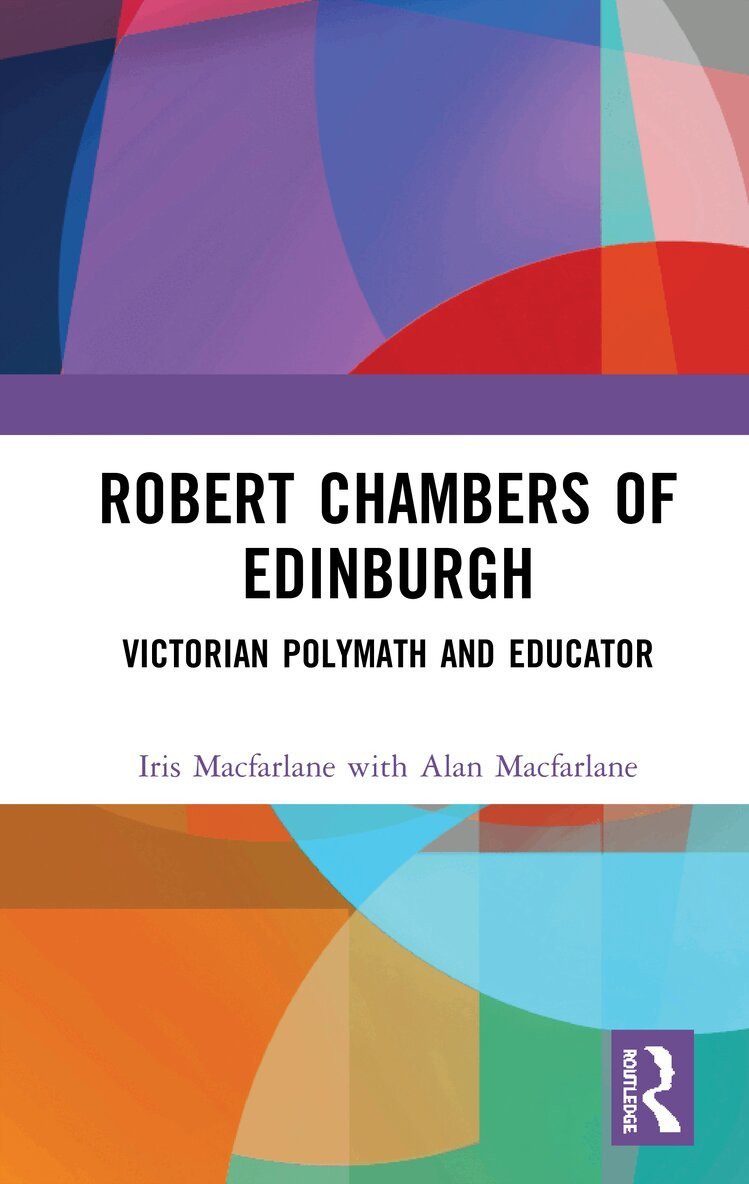
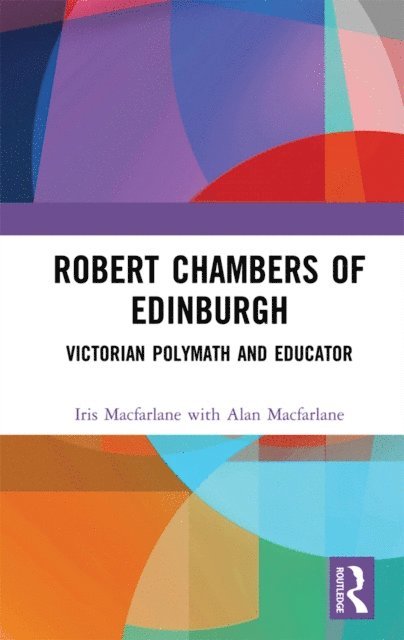
This is a book on the life and times of Robert Chambers, founder of W. & R. Chambers publishers. Although there are now books based on some of his letters and on the impact of one of his books, The Vestiges of Natural Creation, there are no books on the whole man and his life. Written by Iris Macfarlane with Alan Macfarlane, the book weaves together three strands. At one level, it is a biography of Chambers and his family; the portrait of a rise from absolute poverty to great wealth and influence. At the second it provides the context of his life by the way of a portrait of nineteenth century Edinburgh as seen through his eyes. At the third it explores the intellectual and organisational revolutions embodied in his life, the explorations in history, folklore, geology, publishing, education and many other fields which made him one of the most exciting thinkers of his age. It is based on extensive archival research among the Chambers’ archives in Edinburgh and conversations with his descendants.Please note: This title is co-published with Social Science Press, New Delhi. Taylor & Francis does not sell or distribute the Hardback in India, Pakistan, Nepal, Bhutan, Bangladesh and Sri Lanka.
928 kr
Läs direkt efter köp
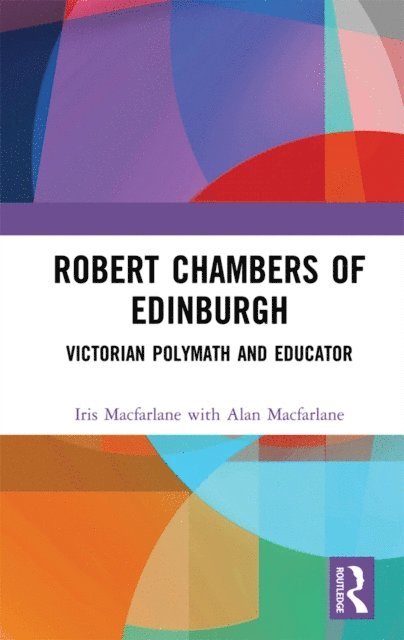
This is a book on the life and times of Robert Chambers, founder of W. & R. Chambers publishers. Although there are now books based on some of his letters and on the impact of one of his books, The Vestiges of Natural Creation, there are no books on the whole man and his life. Written by Iris Macfarlane with Alan Macfarlane, the book weaves together three strands. At one level, it is a biography of Chambers and his family; the portrait of a rise from absolute poverty to great wealth and influence. At the second it provides the context of his life by the way of a portrait of nineteenth century Edinburgh as seen through his eyes. At the third it explores the intellectual and organisational revolutions embodied in his life, the explorations in history, folklore, geology, publishing, education and many other fields which made him one of the most exciting thinkers of his age. It is based on extensive archival research among the Chambers’ archives in Edinburgh and conversations with his descendants.Please note: This title is co-published with Social Science Press, New Delhi. Taylor & Francis does not sell or distribute the Hardback in India, Pakistan, Nepal, Bhutan, Bangladesh and Sri Lanka.
2 010 kr
Skickas inom 10-15 vardagar
495 kr
Skickas inom 10-15 vardagar
553 kr
Läs direkt efter köp
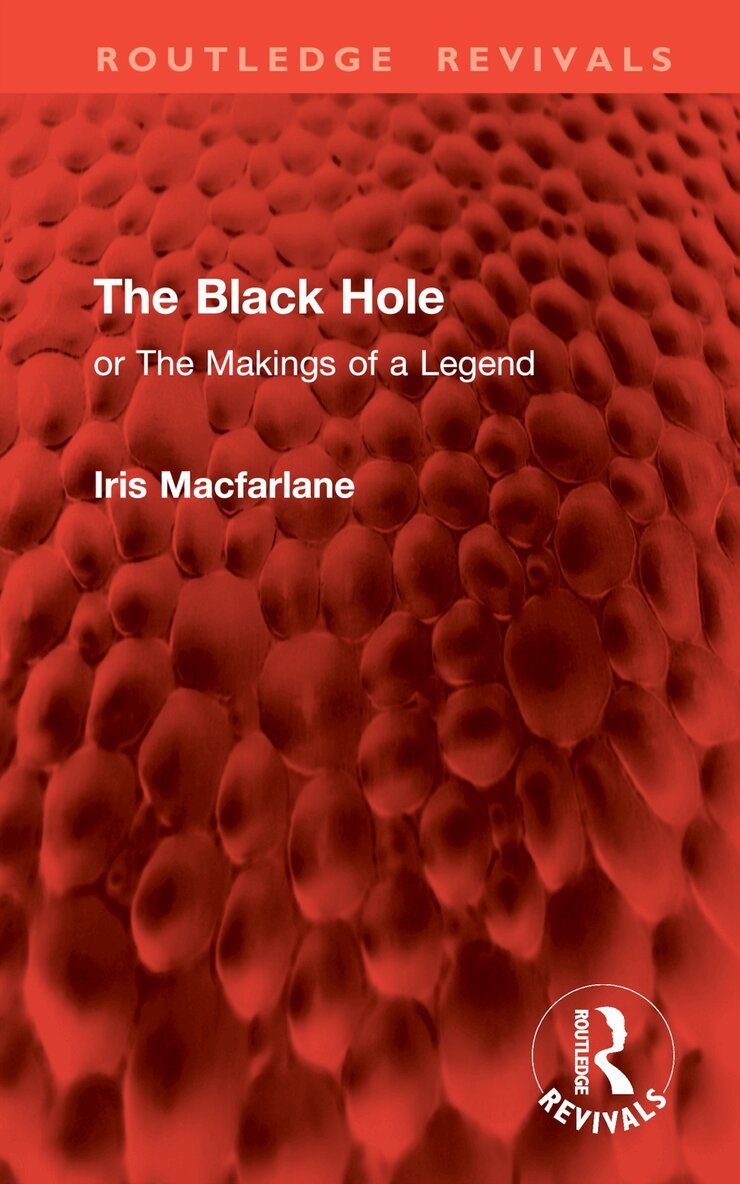
Who went into the Black Hole of Calcutta? Who came out alive? And does it matter anyway? Historically not at all, but it is perhaps important to try to understand why such an event (of which the known facts are so at variance with the legend) ever assumed such significance and became one of the few things that anyone knows about India. In The Black Hole (originally published in 1975), Iris Macfarlane tries to answer these questions.
The author aims to fill the gap between the classic studies of Indian history and the imaginary history of the novelists. She writes with a great awareness of the injustice done to two-thirds of the world by colonisers who, first with guns, then with bibles and grammars, imposed on the native people that sense of inferiority on which colonialism feeds and thrives. Then, she says, they used incidents like the Black Hole, distorted and exaggerated, to justify their actions.
In this book, the story of the colonisation of India is told from the arrival of the first merchants until the incidents of the Black Hole, to show how India was reduced to subjection. The Black Hole itself is investigated in great depth to extract the facts that can be proved and to set them up beside the legend.
554 kr
Läs direkt efter köp
Who went into the Black Hole of Calcutta? Who came out alive? And does it matter anyway? Historically not at all, but it is perhaps important to try to understand why such an event (of which the known facts are so at variance with the legend) ever assumed such significance and became one of the few things that anyone knows about India. In The Black Hole (originally published in 1975), Iris Macfarlane tries to answer these questions.
The author aims to fill the gap between the classic studies of Indian history and the imaginary history of the novelists. She writes with a great awareness of the injustice done to two-thirds of the world by colonisers who, first with guns, then with bibles and grammars, imposed on the native people that sense of inferiority on which colonialism feeds and thrives. Then, she says, they used incidents like the Black Hole, distorted and exaggerated, to justify their actions.
In this book, the story of the colonisation of India is told from the arrival of the first merchants until the incidents of the Black Hole, to show how India was reduced to subjection. The Black Hole itself is investigated in great depth to extract the facts that can be proved and to set them up beside the legend.
144 kr
Läs direkt efter köp