Ishneet Kaur Dua – författare
Visar alla böcker från författaren Ishneet Kaur Dua. Handla med fri frakt och snabb leverans.
2 produkter
2 produkter
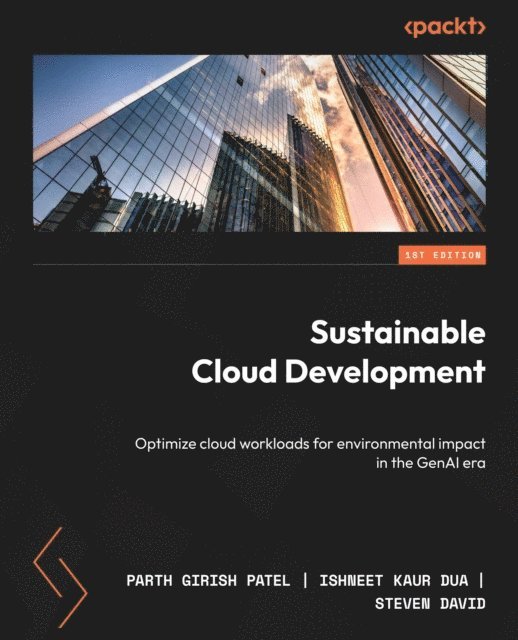
Sustainable Cloud Development
Optimize cloud workloads for environmental impact in the GenAI era
Häftad, Engelska, 2025
713 kr
Skickas inom 5-8 vardagar
Reduce cloud costs and carbon footprint with sustainable design, GenAI, and green architecture principlesKey FeaturesDiscover sustainable cloud practices, including carbon footprint analysis, optimization, and securityExplore best practices, insights, and case studies for implementing sustainable solutions like generative AI workloadsLearn cost-saving strategies through efficient resource use and business alignmentPurchase of the print or Kindle book includes a free PDF eBookBook DescriptionWritten by three seasoned AWS solution architects, sustainability mentors, and thought leaders, Sustainable Cloud Development equips cloud professionals with actionable strategies to design, build, and optimize workloads that minimize environmental impact, while maintaining performance and scalability.This book combines practical insights, best practices, and case studies to help you align your cloud operations with global sustainability goals. From foundational concepts such as carbon footprint measurement to advanced techniques such as sustainable software architecture, generative AI lifecycle optimization, and cost-efficient cloud practices, this book covers every aspect of sustainable cloud development. You’ll get to grips with key tools, including AWS Cost Explorer, for analyzing costs and usage over time to right-size deployments; auto scaling for automatically scaling compute resources dynamically based on demand; Amazon Trusted Advisor for reviewing optimization recommendations across critical areas such as cost, performance, and security; and Amazon CloudWatch for detailed monitoring and threshold-based alerting around all resources and applications.This book serves as a practical blueprint for optimizing your cloud workloads for both high performance and a minimal environmental footprint.What you will learnExplore the principles of sustainable cloud computing and application performance analysisDiscover best practices for data lifecycle management, storage optimization, and networking efficiencyUnderstand and analyze the carbon footprint of cloud applicationsImplement sustainable software architecture and coding patternsOptimize the lifecycle and consumption of generative AI modelsAlign cloud services with sustainability goals and global regulationsExplore eco-friendly generative AI practices, including efficient model deploymentWho this book is forThis book is for cloud architects, engineers, DevOps professionals, and IT sustainability specialists who want to align their cloud practices with environmental goals. It also caters to software developers eager to build green, efficient solutions. A basic understanding of cloud services and IT infrastructure is necessary.
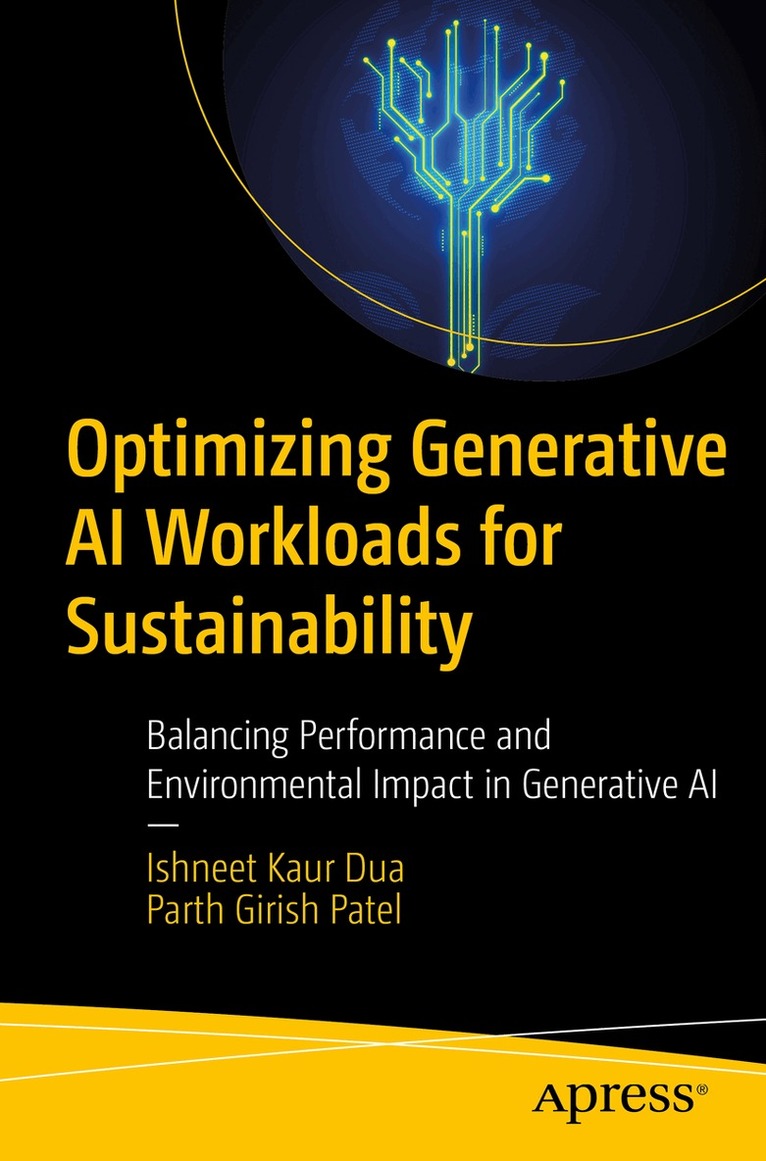
Optimizing Generative AI Workloads for Sustainability
Balancing Performance and Environmental Impact in Generative AI
Häftad, Engelska, 2024
551 kr
Skickas inom 3-6 vardagar
This comprehensive guide provides practical strategies for optimizing Generative AI systems to be more sustainable and responsible. As advances in Generative AI such as large language models accelerate, optimizing these resource-intensive workloads for efficiency and alignment with human values grows increasingly urgent.The book starts with the concept of Generative AI and its wide-ranging applications, while also delving into the environmental impact of AI workloads and the growing importance of adopting sustainable AI practices. It then delves into the fundamentals of efficient AI workload management, providing insights into understanding AI workload characteristics, measuring performance, and identifying bottlenecks and inefficiencies. Hardware optimization strategies are explored in detail, covering the selection of energy-efficient hardware, leveraging specialized AI accelerators, and optimizing hardware utilization and scheduling for sustainable operations. You are also guided through software optimization techniques tailored for Generative AI, including efficient model architecture, compression, and quantization methods, and optimization of software libraries and frameworks. Data management and preprocessing strategies are also addressed, emphasizing efficient data storage, cleaning, preprocessing, and augmentation techniques to enhance sustainability throughout the data life cycle. The book further explores model training and inference optimization, cloud and edge computing strategies for Generative AI, energy-efficient deployment and scaling techniques, and sustainable AI life cycle management practices, and concludes with real-world case studies and best practicesBy the end of this book, you will take away a toolkit of impactful steps you can implement to minimize the environmental harms and ethical risks of Generative AI. For organizations deploying any type of generative model at scale, this essential guide provides a blueprint for developing responsible AI systems that benefit society. What You Will LearnUnderstand how Generative AI can be more energy-efficient through improvements such as model compression, efficient architecture, hardware optimization, and carbon footprint trackingKnow the techniques to minimize data usage, including evaluation, filtering, synthesis, few-shot learning, and monitoring data demands over timeUnderstand spanning efficiency, data minimization, and alignment for comprehensive responsibilityKnow the methods for detecting, understanding, and mitigating algorithmic biases, ensuring diversity in data collection, and monitoring model fairness Who This book Is ForProfessionals seeking to adopt responsible and sustainable practices in their Generative AI work; leaders and practitioners who need actionable strategies and recommendations that can be implemented directly in real-world systems and organizational workflows; ML engineers and data scientists building and deploying Generative AI systems in industry settings; and researchers developing new generative AI techniques, such as at technology companies or universities