Iskrena Yordanova – författare
Visar alla böcker från författaren Iskrena Yordanova. Handla med fri frakt och snabb leverans.
7 produkter
7 produkter
E-bok
PDF, Engelska, 2018866 kr
Läs direkt efter köp
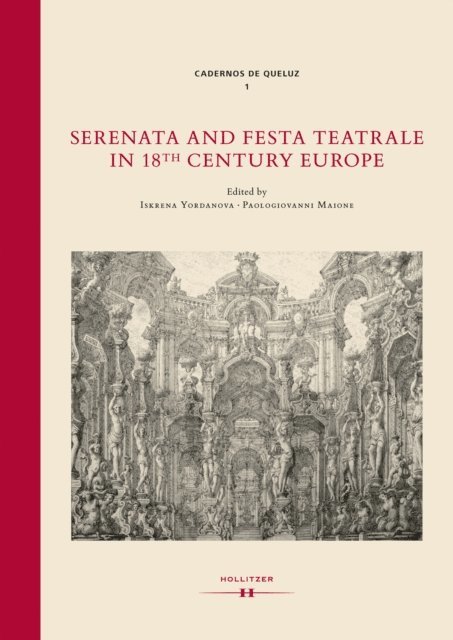
This volume is dedicated to "Serenata and Festa Teatrale in 18th Century Europe", especially to the production of this music-dramatic genre at the courts on the Iberian Peninsula, in Italy, and the Holy Roman Empire where it was an integral part of court ceremonials and a privileged ritual of repraesentatio maiestatis. The 16 studies on patrons and artists, exceptional events and local traditions,reveal highly interesting material for the research on these up to now largely neglected genre. Any approach to these works full of metaphors, symbols and allusions has to take into account the context of the celebration and the resulting multiplicity of aspects: choice of themes, dramaturgical forms, textual and musical structures, vocal and instrumental ensembles, and the various options regarding the stage apparatus."Serenata and Festa Teatrale in 18th Century Europe", edited by Iskrena Yordanova (Lisbon) and Paologiovanni Maione (Naples), inaugurates the series "Cadernos de Queluz", a subseries of "Specula Spectacula" by Don Juan Archiv Wien.
E-bok
Engelska, 2018843 kr
Läs direkt efter köp
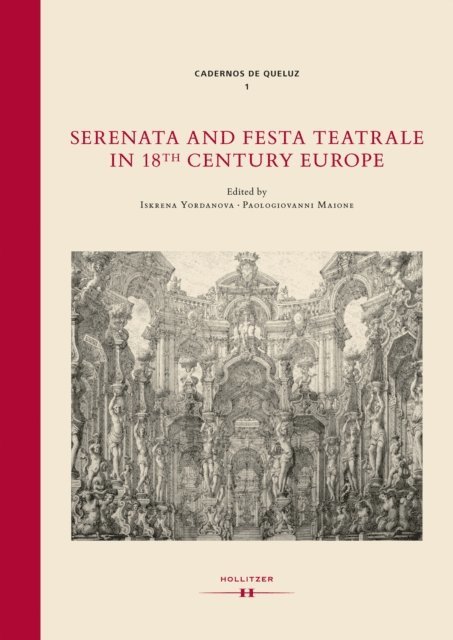
This volume is dedicated to "Serenata and Festa Teatrale in 18th Century Europe", especially to the production of this music-dramatic genre at the courts on the Iberian Peninsula, in Italy, and the Holy Roman Empire where it was an integral part of court ceremonials and a privileged ritual of repraesentatio maiestatis. The 16 studies on patrons and artists, exceptional events and local traditions,reveal highly interesting material for the research on these up to now largely neglected genre. Any approach to these works full of metaphors, symbols and allusions has to take into account the context of the celebration and the resulting multiplicity of aspects: choice of themes, dramaturgical forms, textual and musical structures, vocal and instrumental ensembles, and the various options regarding the stage apparatus."Serenata and Festa Teatrale in 18th Century Europe", edited by Iskrena Yordanova (Lisbon) and Paologiovanni Maione (Naples), inaugurates the series "Cadernos de Queluz", a subseries of "Specula Spectacula" by Don Juan Archiv Wien.
E-bok
PDF, Engelska, 2019955 kr
Läs direkt efter köp
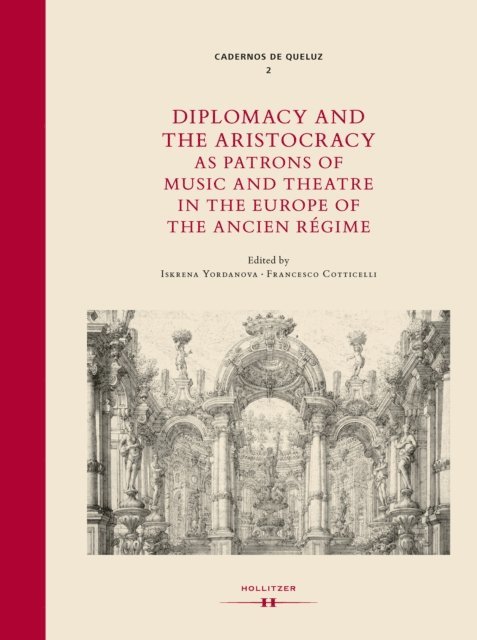
This volume explores the dense networks created by diplomatic relationships between European courts and aristocratic households in the early modern age, with the emphasis on celebratory events and the circulation of theatrical plots and practitioners promoted by political and diplomatic connections. The offices of plenipotentiary ministers were often outposts providing useful information about cultural life in foreign countries. Sometimes the artistic strategies defined through the exchanges of couriers were destined to leave a legacy in the history of arts, especially of music and theatre. Ministers favored or promoted careers, described or made pieces of repertoire available to new audiences, and even supported practitioners in their difficult travels by planning profitable tours. They stood behind extraordinary artists and protected many stage performers with their authority, while carefully observing and transmitting precious information about the cultural and musical life of the countries where they resided.
E-bok
Engelska, 2019930 kr
Läs direkt efter köp
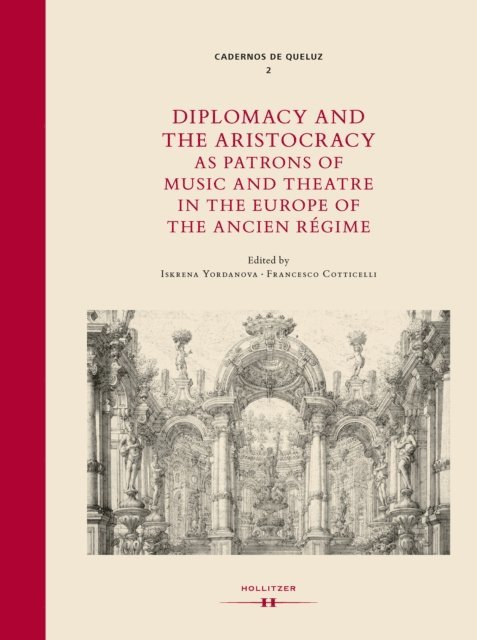
This volume explores the dense networks created by diplomatic relationships between European courts and aristocratic households in the early modern age, with the emphasis on celebratory events and the circulation of theatrical plots and practitioners promoted by political and diplomatic connections. The offices of plenipotentiary ministers were often outposts providing useful information about cultural life in foreign countries. Sometimes the artistic strategies defined through the exchanges of couriers were destined to leave a legacy in the history of arts, especially of music and theatre. Ministers favored or promoted careers, described or made pieces of repertoire available to new audiences, and even supported practitioners in their difficult travels by planning profitable tours. They stood behind extraordinary artists and protected many stage performers with their authority, while carefully observing and transmitting precious information about the cultural and musical life of the countries where they resided.
E-bok
PDF, Engelska, 2020955 kr
Läs direkt efter köp
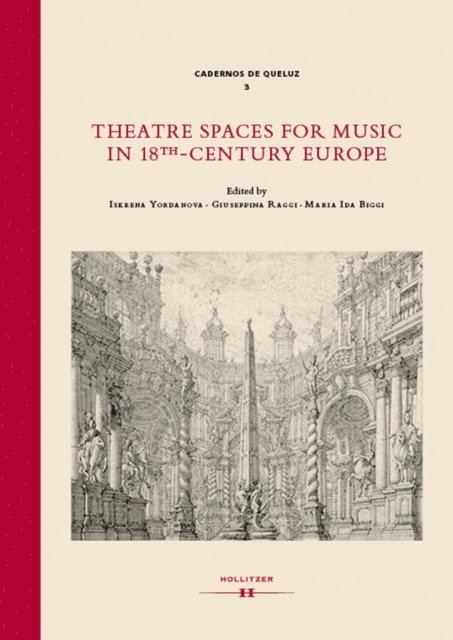
This book explores the specificity and the heterogeneity of spaces for opera during the eighteenth century from a multidisciplinary point of view. Architects, musicologists and theatre specialists are discussing various cases that concern the dense network of court and public theatres, including the ephemeral ones, the multiple aspects of theatre presentations in different architectonic spaces, the contexts and the occasions of social life and representativity.
E-bok
PDF, Engelska, 2021930 kr
Läs direkt efter köp
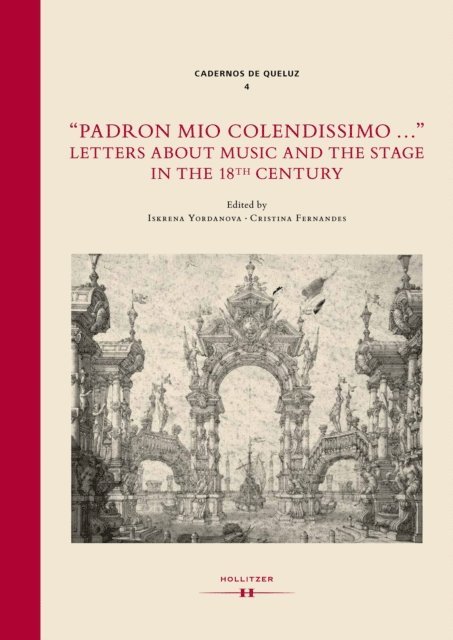
This volume explores the important role that epistolary exchanges play in the reconstruction of musical and theatrical contexts all over Europe in the early modern age, with particular attention to the century of the Enlightenment. Correspondence often bears witness to the reconstruction of performers'' careers and theatrical venues, and to the transfers of professionals and repertoires, as well as to social themes and production issues. Archival sources, private letters, and official documents are not only rich in precious data and information, but can also provide material for new research perspectives, related both to their methodological implications and to the interpretation of music and theatre in a given time and place, along with raising questions about historical performance practices and their current revival.
E-bok
PDF, Engelska, 2022922 kr
Läs direkt efter köp
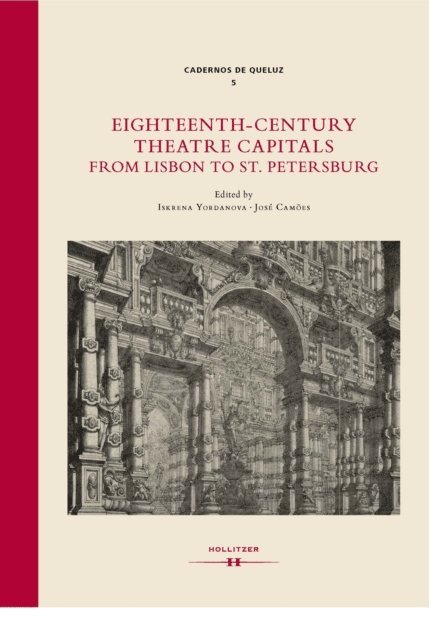
The fifth volume of the series Cadernos de Queluz intends to broaden the conceptual and geographical perspectives on the pan-European history of music theatre. The cultural and ceremonial patterns common to eighteenth-century European courts created complex webs of meaning around the sovereigns who communicated via the arts, which found expression in an architectural, artistic, and musical code. The existence of a common artistic language among European countries facilitated the circulation of musicians, theatrical companies, architects, librettists, and craftsmen within a single network, challenging the orthodox conceptual distinctions between European cultural traditions. This book is a virtual journey among the artistic exchanges between the European capitals, weaving them into one single narrative, underlining the common patterns of musical practices throughout the Continent, from West to East. The road map starts from the kingdom of Portugal and passes through Madrid, Paris, the Papal States, Naples, Milan, Vienna, and ends in St. Petersburg.