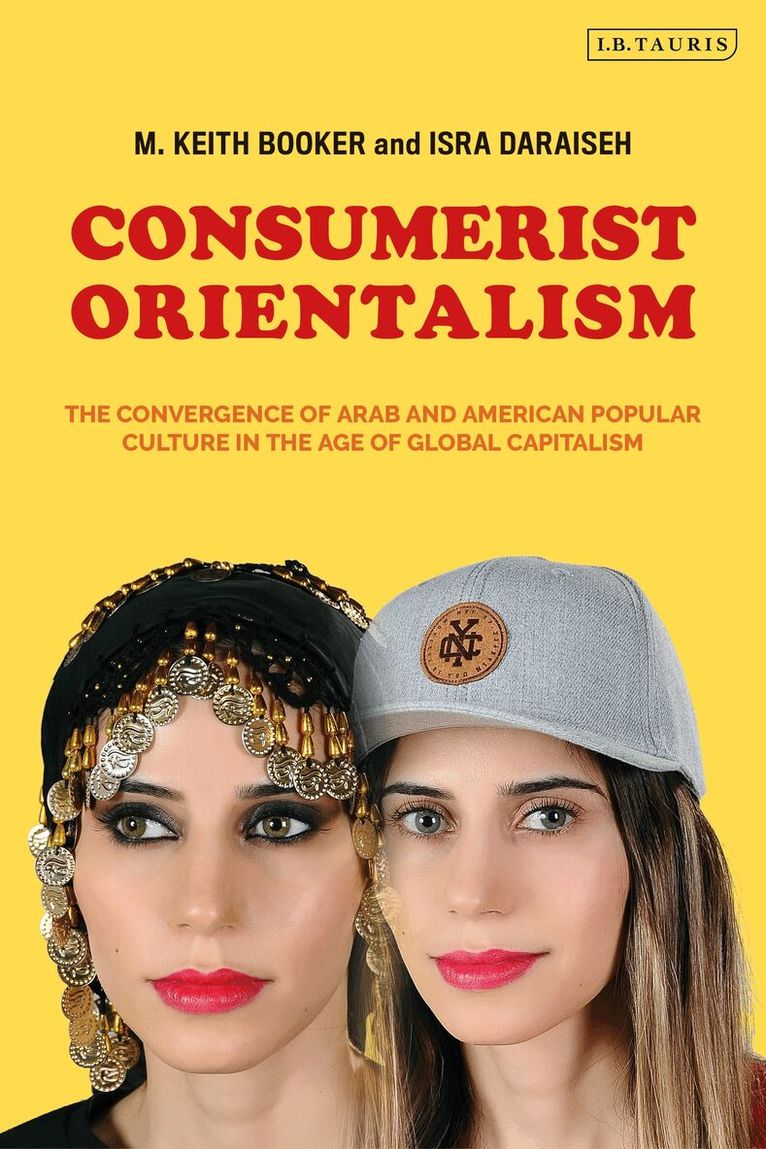
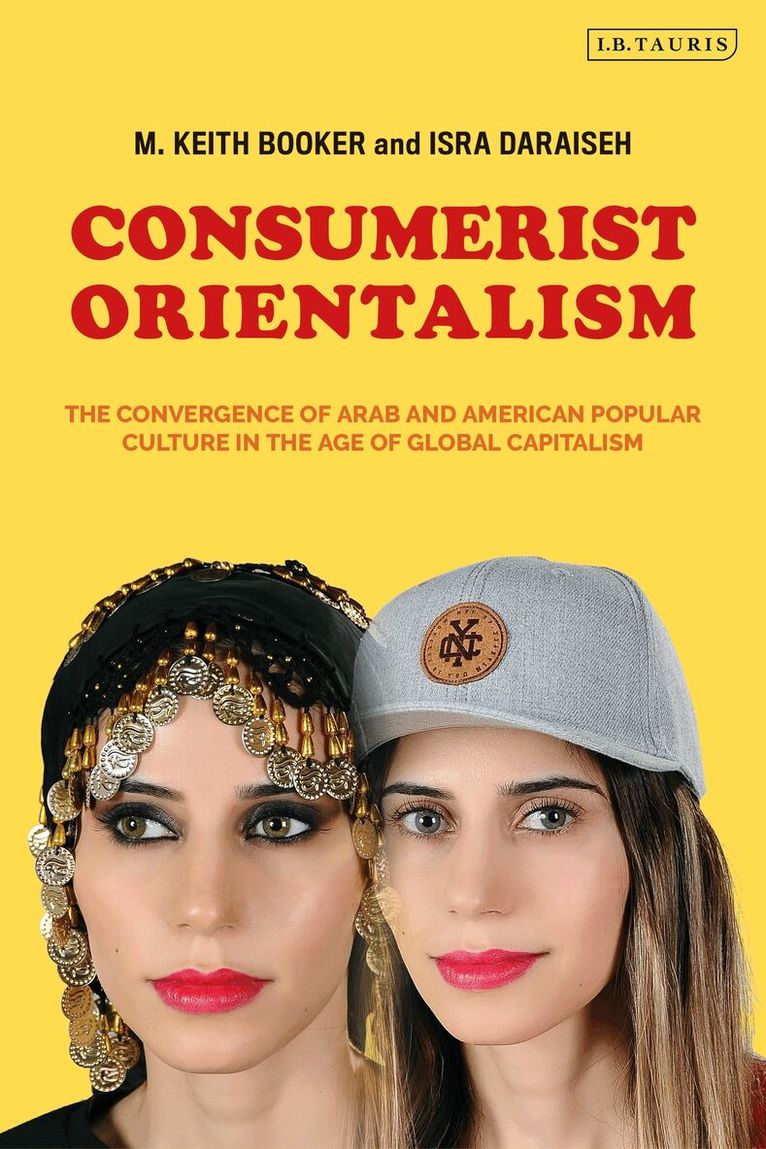
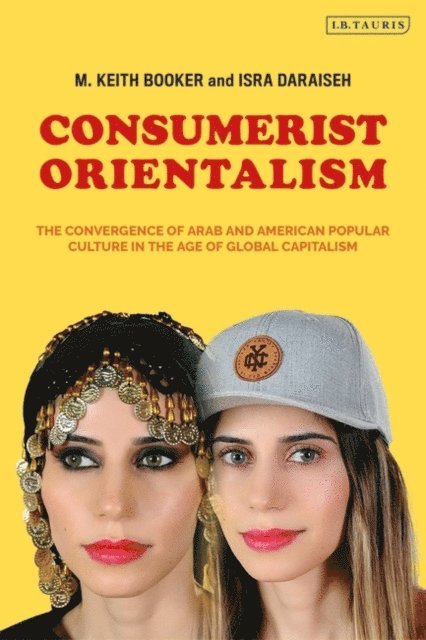
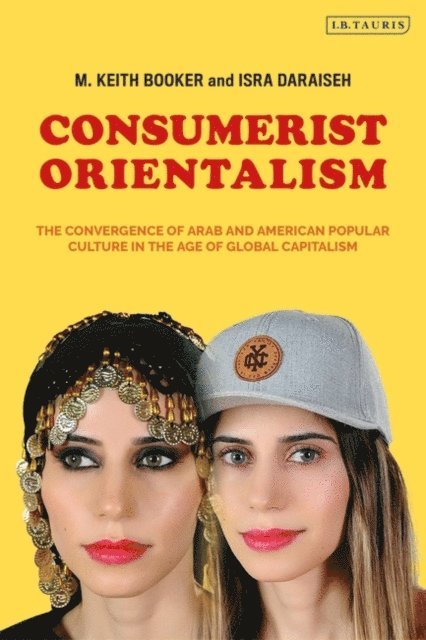
In a postmodern world of globalised capital, how does the concept of Orientalism inform understandings of cultural exchange? In this detailed and wide-ranging examination, Arab popular culture is explored in its relation to American culture and capitalism. Offering new insights on Edward Said’s longstanding theoretical lens, Consumerist Orientalism presents an updated conceptual framework through which to understand the intercultural relationship between East and West, exploring a wide range of cultural production; from an Oscar-nominated Jordanian film to Turkish-Arab soap operas and Arab-diaspora rap. Drawing on key contemporary critical thinkers and in-depth cultural analysis, the relationship between capitalism, postmodernism and Orientalism is explored with fresh insights, making this essential reading for students of Middle Eastern culture, globalisation and postcolonial studies.
Widely regarded as one of the greatest television series of all time, The Sopranos is also considered one of the most significant achievements in contemporary American culture. IThe series spearheaded the launch of a new wave of quality programming that has transformed the way people watch, experience, and talk about television. By chronicling the life and crimes of a New Jersey mobster, his family, and his cronies, The Sopranos examines deep themes at the heart of American life, particularly the country’s seedy underbelly.In Tony Soprano’s America: Gangsters, Guns, and Money, M. Keith Booker and Isra Daraiseh explore the central role of the series in American cultural history. While examining the elements that account for the show’s popularity and critical acclaim, the authors also contend that The Sopranos revolutionized the way audiences viewed television in general and cable programming as well. This book demonstrates how a show focused on an ethnic antihero somehow reflected common themes of contemporary American life, including ethnicity, class, capitalism, therapy, and family dynamics.Providing a sophisticated yet accessible account of the groundbreaking series—a show that rivals film and literature for its beauty and stunning characterization of modern life—this book engages the reader with ideas central to the American experience. Tony Soprano’s America brings to life this profound television program in ways that will entertain, engage, and perhaps even challenge longtime viewers and critics.
Ti West’s X trilogy—X (2022), Pearl (2022), and Maxxxine (2024)—was a highlight of American horror film in the first half of the 2020s. The trilogy appeared when the wave of "elevated" horror films that had been the hallmark of American cinema earlier in the new century was just beginning to regain momentum after the entire film industry had been disrupted by the COVID-19 pandemic. Though at first glance the X trilogy seems to have more in common with 1970s grindhouse films and 1980s slashers than contemporary prestige horror, authors M. Keith Booker and Isra Daraiseh argue that the films of West’s franchise are aesthetically complex works of art continuing in the modern tradition established by such filmmakers as Jordan Peele, Ari Aster, and Robert Eggers. Through careful and detailed analyses of these three stylistically distinct yet thematically linked productions, Booker and Daraiseh reveal the depths of each film’s critiques of sexualized violence, social conservatism, and failed utopianism—critiques which gain even deeper, more philosophically profound resonance when those films are seen as part of a connected series full of intertextual references and intratextual reverberations. The authors examine the ways in which the films parlay an extensive engagement with past cinema into a critical dialogue with ways of thinking about American history—and especially with the growing tendency for American historical thought to be dominated by nostalgic visions. Ultimately, the volume positions the X trilogy as a sophisticated meditation on history, fantasy, and cultural memory, both critiquing and mirroring the broader American struggle to confront the past.
In a postmodern world of globalised capital, how does the concept of Orientalism inform understandings of cultural exchange? In this detailed and wide-ranging examination, Arab popular culture is explored in its relation to American culture and capitalism. Offering new insights on Edward Said’s longstanding theoretical lens, Consumerist Orientalism presents an updated conceptual framework through which to understand the intercultural relationship between East and West, exploring a wide range of cultural production; from an Oscar-nominated Jordanian film to Turkish-Arab soap operas and Arab-diaspora rap. Drawing on key contemporary critical thinkers and in-depth cultural analysis, the relationship between capitalism, postmodernism and Orientalism is explored with fresh insights, making this essential reading for students of Middle Eastern culture, globalisation and postcolonial studies.
In a postmodern world of globalised capital, how does the concept of Orientalism inform understandings of cultural exchange? In this detailed and wide-ranging examination, Arab popular culture is explored in its relation to American culture and capitalism. Offering new insights on Edward Said's longstanding theoretical lens, Consumerist Orientalism presents an updated conceptual framework through which to understand the intercultural relationship between East and West, exploring a wide range of cultural production; from an Oscar-nominated Jordanian film to Turkish-Arab soap operas and Arab-diaspora rap. Drawing on key contemporary critical thinkers and in-depth cultural analysis, the relationship between capitalism, postmodernism and Orientalism is explored with fresh insights, making this essential reading for students of Middle Eastern culture, globalisation and postcolonial studies.