Israel Sanz-Sánchez - Böcker
Visar alla böcker från författaren Israel Sanz-Sánchez. Handla med fri frakt och snabb leverans.
2 produkter
2 produkter
1 942 kr
Skickas inom 3-6 vardagar
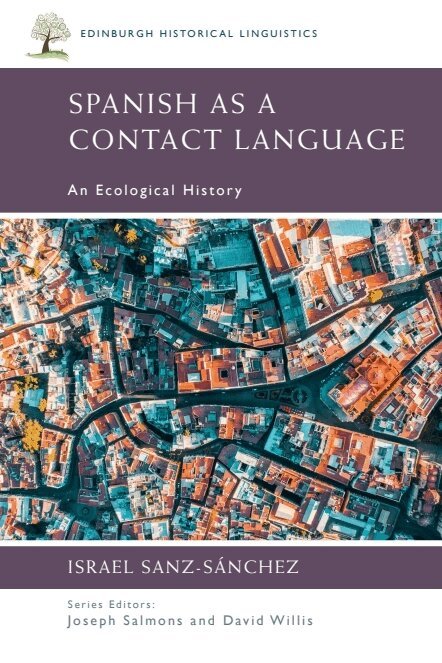
Languages do not exist beyond their speakers, but the history of individual languages has often been told as if they had a life of their own, emerging from other languages, growing and sometimes dying. When applied to Spanish, this story line commonly begins in spoken Latin, with the language taking shape in medieval Spain before spreading beyond Europe in the colonial period.This book proposes a new take on this narrative. Instead of seeing Spanish as a linguistic entity with linear development, what would its history look like if we think of it as a centuries-long constellation of contact events? A History of Spanish as a Contact Language revisits the evolution of Spanish from the perspective of the ecology of language, centring speakers as the only historical agents of language transmission and change. Taking the speakers' vantage point opens up exciting possibilities to rethink what Spanish is, how it has changed, and who has played a role in this process.
396 kr
Skickas inom 7-10 vardagar
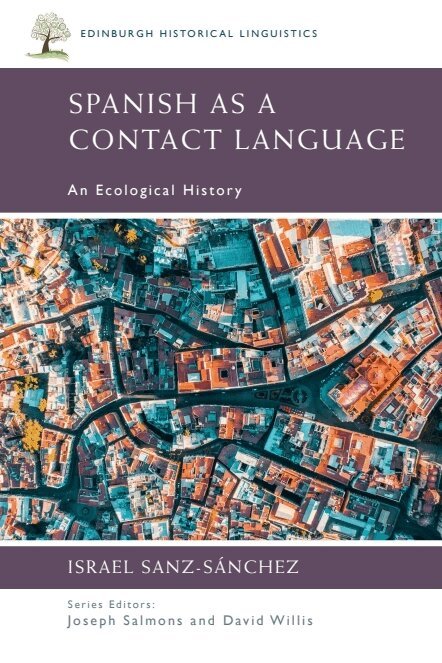
Languages do not exist beyond their speakers, but the history of individual languages has often been told as if they had a life of their own, emerging from other languages, growing and sometimes dying. When applied to Spanish, this story line commonly begins in spoken Latin, with the language taking shape in medieval Spain before spreading beyond Europe in the colonial period.This book proposes a new take on this narrative. Instead of seeing Spanish as a linguistic entity with linear development, what would its history look like if we think of it as a centuries-long constellation of contact events? A History of Spanish as a Contact Language revisits the evolution of Spanish from the perspective of the ecology of language, centring speakers as the only historical agents of language transmission and change. Taking the speakers' vantage point opens up exciting possibilities to rethink what Spanish is, how it has changed, and who has played a role in this process.