István M. Szijártó – författare
Visar alla böcker från författaren István M. Szijártó. Handla med fri frakt och snabb leverans.
16 produkter
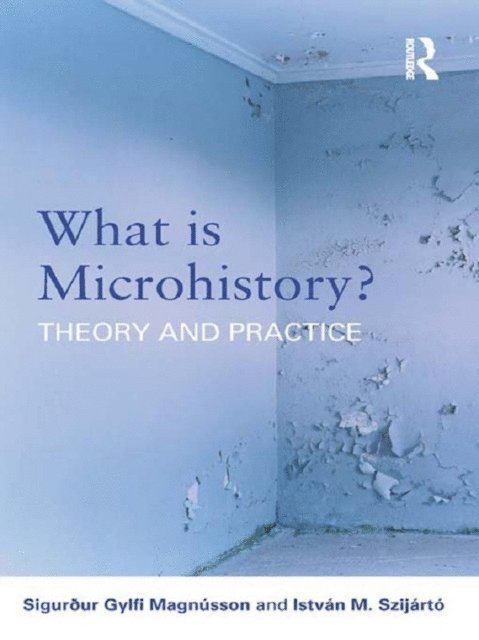
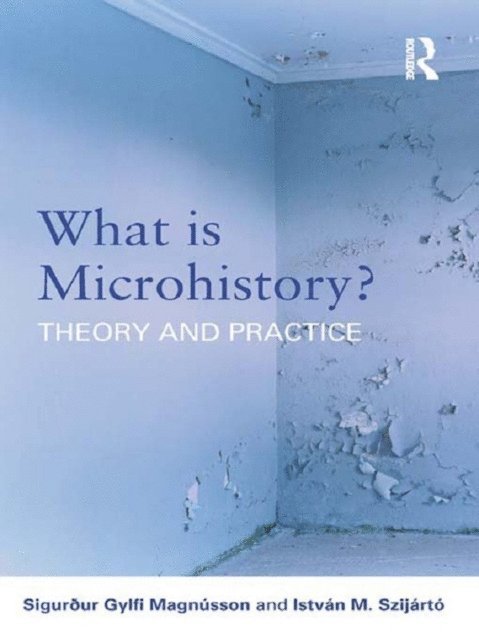
What is Microhistory?
Theory and Practice
Av Sigurður Gylfi Magnússon, István M. Szijártó
Inbunden, 2013
2578 kr
Lägg i varukorg
This unique and detailed analysis provides the first accessible and comprehensive introduction to the origins, development, methodology of microhistory – one of the most significant innovations in historical scholarship to have emerged in the last few decades. The introduction guides the reader …
What is Microhistory?
Theory and Practice
Av Sigurður Gylfi Magnússon, István M. Szijártó
Häftad, 2013
755 kr
Lägg i varukorg
This unique and detailed analysis provides the first accessible and comprehensive introduction to the origins, development, methodology of microhistory – one of the most significant innovations in historical scholarship to have emerged in the last few decades. The introduction guides the reader …
Parliamentarism in Northern and East-Central Europe in the Long Eighteenth Century
Volume I: Representative Institutions and Political Motivation
Av Laszlo Kontler, Wim Blockmans m. fl.
E-bok, 2022
785 kr
Lägg i varukorg
This volume investigates the history of the representative assemblies of Sweden (the riksdag ), Poland (the sejm ) and Hungary (the diaeta ) in the final period of the ancien régime . It concentrates on the practices and ideas of parliamentarism and constitutionalism, and examines the ideologies …
Parliamentarism in Northern and East-Central Europe in the Long Eighteenth Century
Volume I: Representative Institutions and Political Motivation
Av Laszlo Kontler, Wim Blockmans m. fl.
E-bok, 2022
785 kr
Lägg i varukorg
This volume investigates the history of the representative assemblies of Sweden (the riksdag ), Poland (the sejm ) and Hungary (the diaeta ) in the final period of the ancien régime . It concentrates on the practices and ideas of parliamentarism and constitutionalism, and examines the ideologies …
Parliamentarism in Northern and East-Central Europe in the Long Eighteenth Century
Volume I: Representative Institutions and Political Motivation
Av István M. Szijártó, Wim Blockmans m. fl.
Häftad, 2024
646 kr
Lägg i varukorg
This volume investigates the history of the representative assemblies of Sweden (the riksdag), Poland (the sejm) and Hungary (the diaeta) in the final period of the ancien régime. It concentrates on the practices and ideas of parliamentarism and constitutionalism, and examines the ideologies that …
Parliamentarism in Northern and East-Central Europe in the Long Eighteenth Century
Volume I: Representative Institutions and Political Motivation
Av István M. Szijártó, Wim Blockmans m. fl.
Inbunden, 2022
2818 kr
Lägg i varukorg
This volume investigates the history of the representative assemblies of Sweden (the riksdag), Poland (the sejm) and Hungary (the diaeta) in the final period of the ancien régime. It concentrates on the practices and ideas of parliamentarism and constitutionalism, and examines the ideologies that …
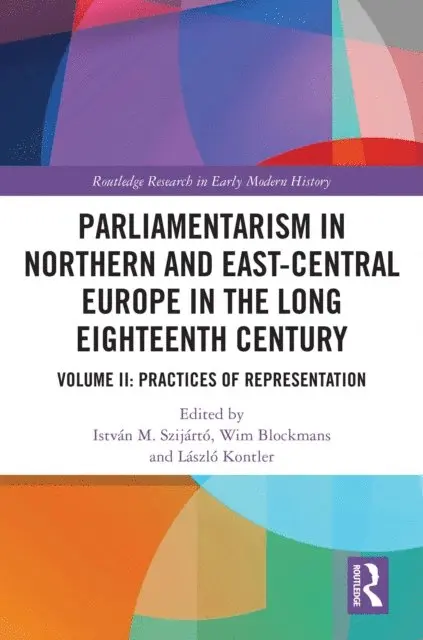
Parliamentarism in Northern and East-Central Europe in the Long Eighteenth Century
Volume II: Practices of Representation
Av István M. Szijártó, Wim Blockmans m. fl.
Inbunden, 2025
2578 kr
Lägg i varukorg
This volume investigates the history of the parliamentary assemblies of Sweden, Poland and Hungary in the final period of the ancien régime, offering an analysis of these three representative assemblies in a systematic comparative framework for the first time.The book studies the Polish sejm, the …
Parliamentarism in Northern and East-Central Europe in the Long Eighteenth Century
Volume II: Practices of Representation
Av István M. Szijártó, Wim Blockmans m. fl.
Häftad, 2026
725 kr
Lägg i varukorg
This volume investigates the history of the parliamentary assemblies of Sweden, Poland and Hungary in the final period of the ancien régime, offering an analysis of these three representative assemblies in a systematic comparative framework for the first time.The book studies the Polish sejm, the …
Parliamentarism in Northern and East-Central Europe in the Long Eighteenth Century
Volume II: Practices of Representation
Av Laszlo Kontler, Wim Blockmans m. fl.
E-bok, 2025
831 kr
Lägg i varukorg
This volume investigates the history of the parliamentary assemblies of Sweden, Poland and Hungary in the final period of the ancien régime , offering an analysis of these three representative assemblies in a systematic comparative framework for the first time. The book studies the Polish sejm, the …
Parliamentarism in Northern and East-Central Europe in the Long Eighteenth Century
Volume II: Practices of Representation
Av Laszlo Kontler, Wim Blockmans m. fl.
E-bok, 2025
831 kr
Lägg i varukorg
This volume investigates the history of the parliamentary assemblies of Sweden, Poland and Hungary in the final period of the ancien régime , offering an analysis of these three representative assemblies in a systematic comparative framework for the first time. The book studies the Polish sejm, the …
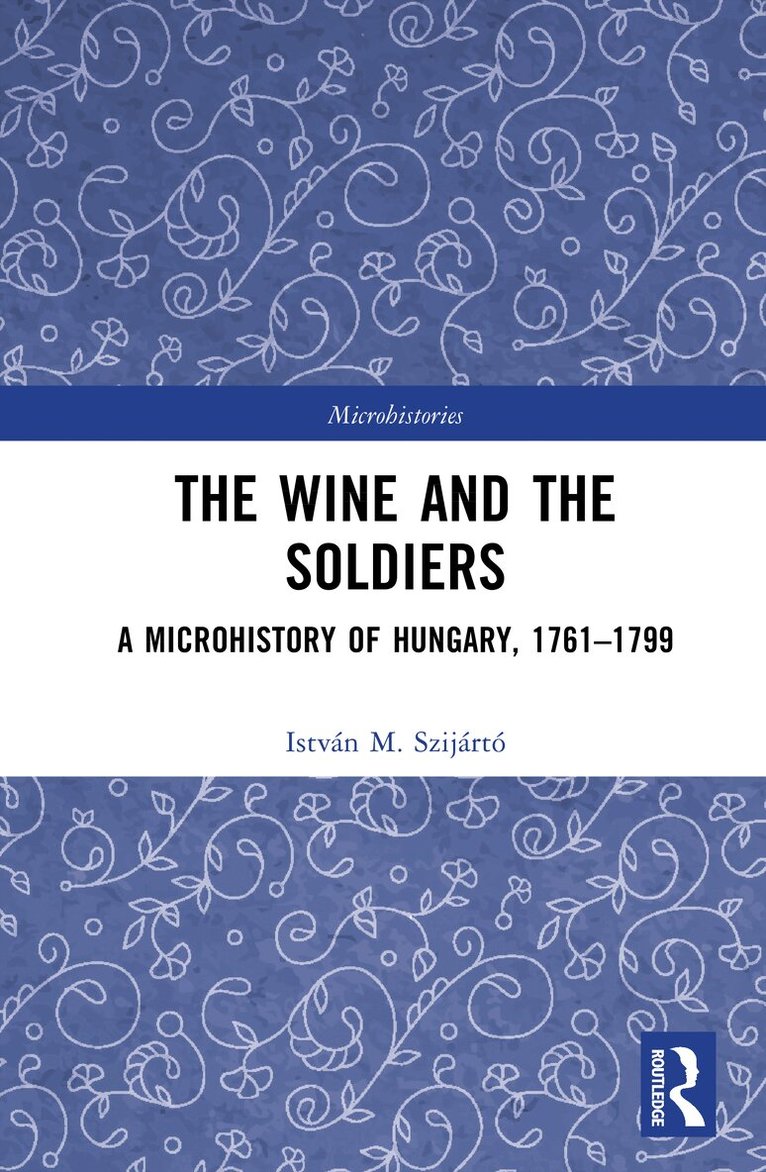
Wine and the Soldiers
A Microhistory of Hungary, 1761–1799
Inbunden, 2026
2578 kr
Lägg i varukorg
This book is a social and economic history of Hungary in the late eighteenth century, written in the form of a microhistory. Through microanalyses of a miller’s recruitment into the army, the life of a vagrant farm labourer, the illicit sale of wine by a postmaster, a violent conflict between two …
What is Microhistory?
Theory and Practice
Av Istvan M. Szijarto, Sigurður Gylfi Magnusson
E-bok, 2013
803 kr
Lägg i varukorg
This unique and detailed analysis provides the first accessible and comprehensive introduction to the origins, development, methodology of microhistory – one of the most significant innovations in historical scholarship to have emerged in the last few decades. The introduction guides the reader …
What is Microhistory?
Theory and Practice
Av Istvan M. Szijarto, Sigurður Gylfi Magnusson
E-bok, 2013
803 kr
Lägg i varukorg
This unique and detailed analysis provides the first accessible and comprehensive introduction to the origins, development, methodology of microhistory – one of the most significant innovations in historical scholarship to have emerged in the last few decades. The introduction guides the reader …
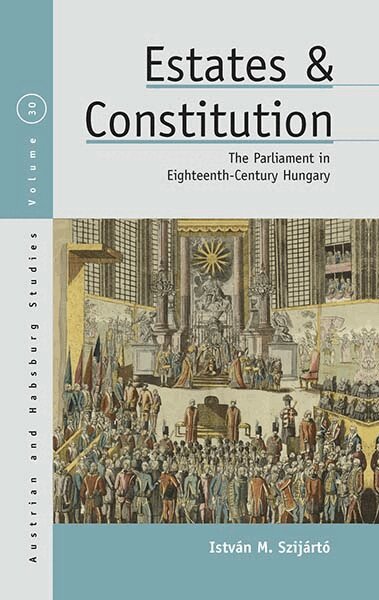
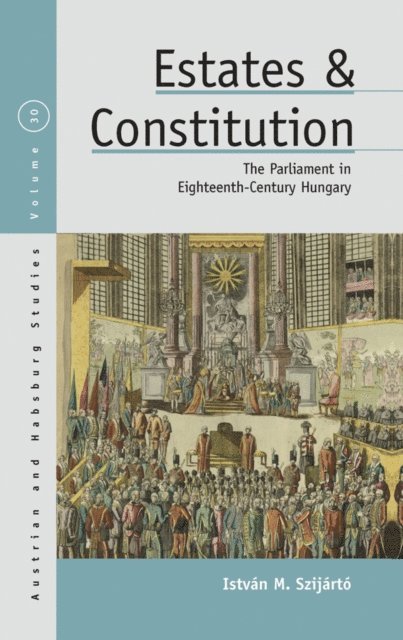
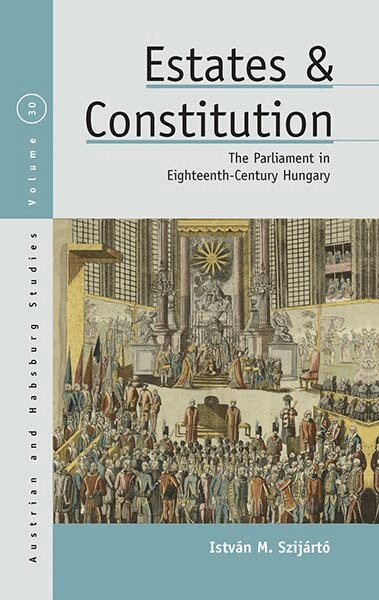
Estates and Constitution
The Parliament in Eighteenth-Century Hungary
Inbunden, 2020
2186 kr
Lägg i varukorg
Across eighteenth-century Europe, political power resided overwhelmingly with absolute monarchs, with notable exceptions including the much-studied British Parliament as well as the frequently overlooked Hungarian Diet, which placed serious constraints on royal power and broadened opportunities for …
Estates and Constitution
The Parliament in Eighteenth-Century Hungary
E-bok, 2020
386 kr
Lägg i varukorg
Across eighteenth-century Europe, political power resided overwhelmingly with absolute monarchs, with notable exceptions including the much-studied British Parliament as well as the frequently overlooked Hungarian Diet, which placed serious constraints on royal power and broadened opportunities for …
Estates and Constitution
The Parliament in Eighteenth-Century Hungary
Häftad, 2026
662 kr
Lägg i varukorg
Across eighteenth-century Europe, political power resided overwhelmingly with absolute monarchs, with notable exceptions including the much-studied British Parliament as well as the frequently overlooked Hungarian Diet, which placed serious constraints on royal power and broadened opportunities for …